National Dish Eswatini: Lipalishi (Recipe)
In this article
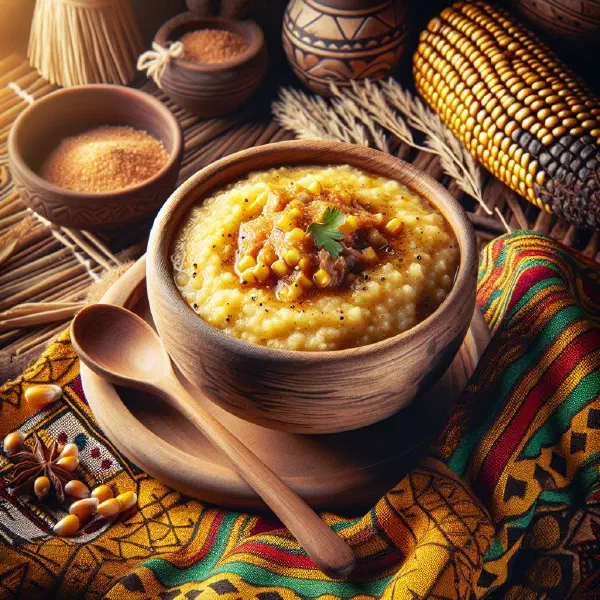
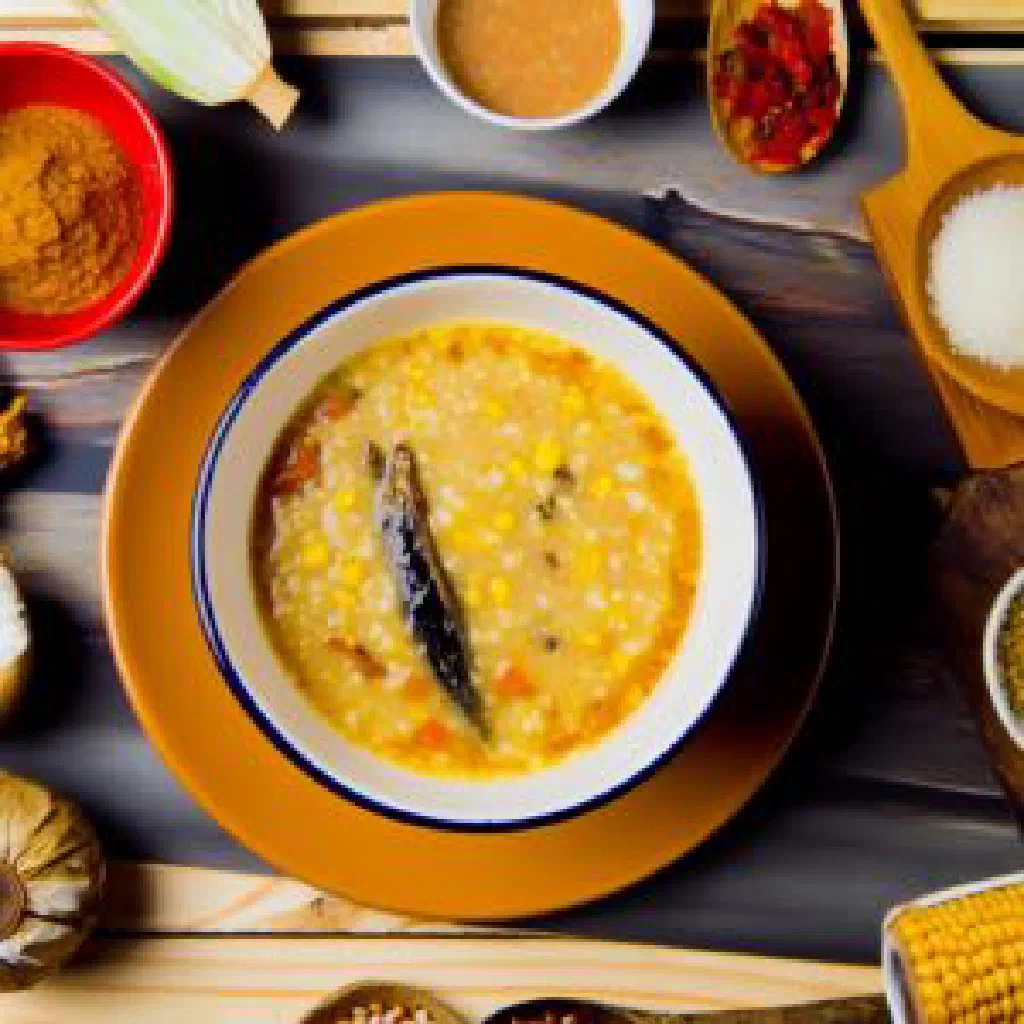
Meet Lipalishi, the comforting maize porridge at the very heart of Eswatini’s kitchen. Rich, creamy and deeply satisfying, this humble dish of stone-ground maize meal simmered with water forms the backbone of countless meals across the country. It is simple to make, endlessly adaptable to whatever sides you fancy, and every bit as welcome at a family supper as at a festive gathering. Let this Swazi staple bring a taste of Southern Africa to your table.
About Lipalishi
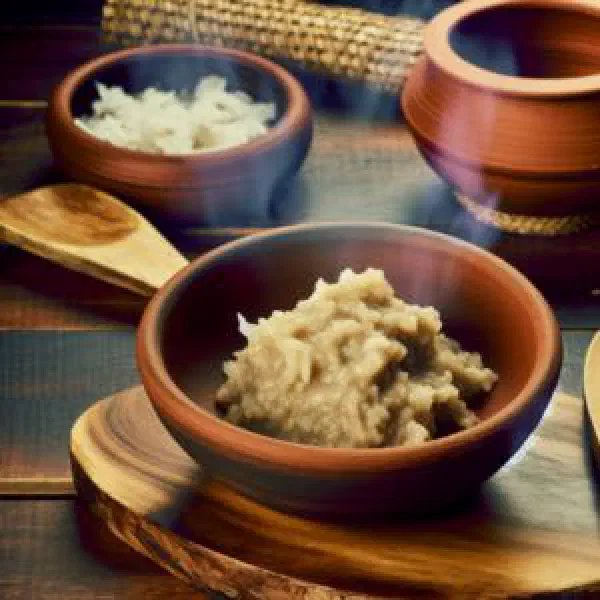
The traditional Swazi dish Lipalishi is a delicious creamy maize porridge that is both rich and filling. This national dish carries a distinctive flavour and a meaningful place in the culture and history of Eswatini. Often regarded as a staple food, it forms the base for many meals across the country. The preparation is refreshingly straightforward, and the porridge adapts easily to a wide range of tastes and preferences.
Ingredients (serves 1–2)
- 1 cup maize meal
- 2 cups water
- 1 pinch of salt
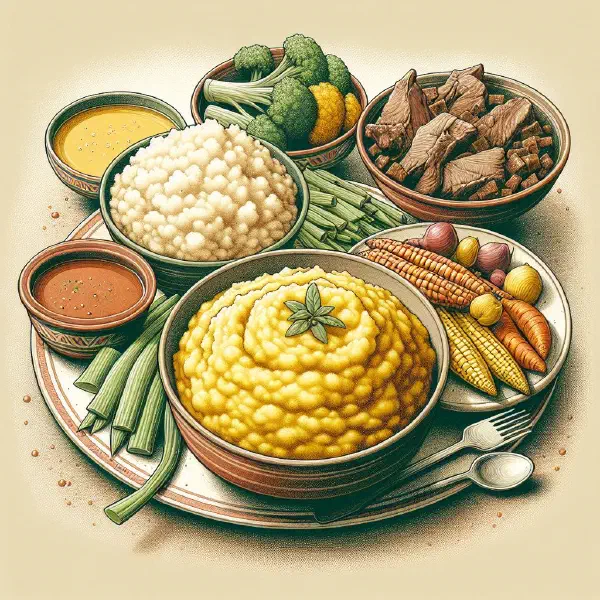
- Sides of your choice (for example vegetables, meat, or beans)
Shopping for the ingredients
If you would like to prepare Lipalishi, the ingredients are easy to come by. Maize meal is available in most supermarkets or in specialist African grocery shops. Take care to choose a good-quality maize meal without additives. For the sides, fresh vegetables or meat can be selected to suit your personal taste, giving you plenty of scope to vary the dish. These naturally wholesome staples are typical of hearty Eswatini cuisine.
Preparing the dish
Before you begin making Lipalishi, it is important to have all your ingredients ready. Make sure you have measured the required quantities and prepared any sides in advance. If you are using vegetables, wash them thoroughly and cut them into bite-sized pieces. For meat, be sure it is well seasoned so it lends the flavours of the Lipalishi an extra kick.
Step-by-step instructions
- In a pan, bring the water to the boil and add a pinch of salt.
- Slowly sprinkle the maize meal into the boiling water, stirring continuously to avoid any lumps forming.
- Reduce the heat and let the mixture simmer for 10–15 minutes, stirring occasionally, until it is thick and creamy.
- Then take the Lipalishi off the heat and cover it to keep it warm while you prepare the sides.
Gluten-free / lactose-free version
The recipe for Lipalishi is naturally gluten-free and lactose-free, as it consists of nothing more than water and maize meal. This makes it an excellent choice for anyone with intolerances or allergies. The sides can also be adjusted easily to ensure the whole dish stays gluten- and lactose-free. Simply take care to choose ingredients that suit your dietary needs.
Tips for vegans and vegetarians
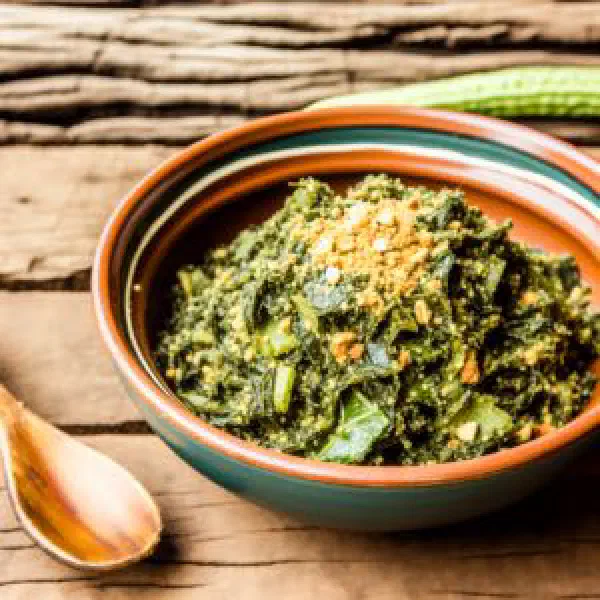
For vegans and vegetarians, Lipalishi offers plenty of scope for adaptation. Serve it with a variety of vegetables such as spinach, carrots or beans to create a healthy and nourishing meal. Chopped nuts or plant-based proteins can also be added to make the dish even more sustaining. Experiment with different spices to vary the flavour to your liking.
More tips and tricks
To get the most out of your Lipalishi, it helps to stay attentive while cooking. Take care not to set the heat too high, as the maize meal can catch and burn. Use a well-fitting lid while the Lipalishi simmers to preserve the warmth and moisture. Regular stirring prevents lumps and keeps the consistency smooth and even.
Adapting the recipe to your taste
The beauty of Lipalishi is just how adaptable it is. Depending on your preference, you can serve it with all sorts of different sides. Some like the dish with a fiery sauce, while others prefer it mild. Using regional ingredients can also add an interesting note and make the dish your own, much as it does in a comforting bowl of Sishwala.
Ingredient substitutions
If you do not have maize meal to hand, alternatives such as gluten-free flour or even quinoa flour can be used to achieve a similar consistency. When it comes to the sides there are no limits; try different pulses or tofu to enrich your dish, as you might in a hearty Indumba Yenkukhu. Remember to adjust the cooking times if you use other ingredients.
Drink pairing ideas
To enjoy your meal of Lipalishi, certain drinks make particularly good companions. A refreshing ginger beer or a homemade fruit juice made from tropical fruits pairs perfectly with the flavours of the dish. For those who drink alcohol, a light beer or a fruity white wine could offer a pleasant tasting experience. Experiment with different combinations to find your personal favourite.
Serving and presentation ideas
The presentation of Lipalishi can noticeably enhance the whole dining experience. Serve it in a traditional bowl or on a plate alongside your chosen sides. Colourful vegetables and a decorative arrangement can make the dish more visually appealing. Use fresh herbs as a garnish to add extra aroma and a pretty finish.
A bit of history
Lipalishi has deep roots in Eswatini and is a cultural cornerstone that has been prepared for generations. It is not merely food but also a symbol of hospitality and togetherness in Swazi society. In many households, Lipalishi is served on special occasions or at celebrations. It reflects the bright culture and traditions of the people of this region, much like the beloved Itshwala.
More recipe ideas
Summary: Lipalishi
In summary, Lipalishi is a wonderful example of Swazi cooking that is both delicious and culturally significant. With its simple preparation and its many possibilities for adaptation, it is a dish that brings pleasure both at home and at celebrations. Lipalishi is sure to warm the hearts and stomachs of many. Give it a try and discover the flavours and traditions of Swazi food.