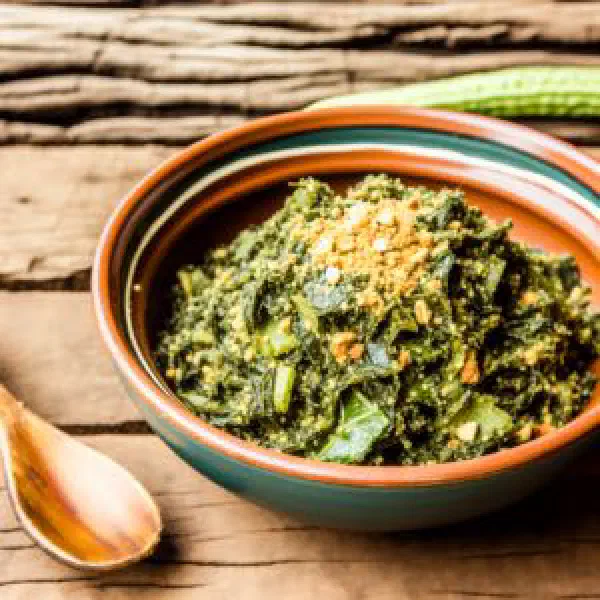
National Dish Eswatini: Sidlawu Semabele (Recipe)

In this article
Meet Sidlawu Semabele, a heart-warming traditional dish from Eswatini that speaks to both the palate and the soul. Built around humble maize meal and fresh leafy greens, it draws almost entirely on local ingredients and reflects the warmth and hospitality the country is known for. Simple to prepare yet deeply satisfying, it offers a genuine taste of Swazi home cooking that you can recreate in your own kitchen.
About Sidlawu Semabele
Sidlawu Semabele is a traditional dish from Eswatini that appeals to both the palate and the heart. Its ingredients come largely from the region and mirror the rich culture and generous hospitality of the country. This dish is far more than a simple snack. It is a culinary experience that tells stories and keeps age-old traditions alive. Let the unique combination of flavours carry you away, and discover how to bring a little piece of Eswatini to your home table.
Ingredients (serves 1–2)
- 1 cup maize meal
- 2 cups water
- ½ teaspoon salt
- 1 teaspoon sugar (optional)
- Leafy green vegetables (such as spinach or kale)
- Spices of your choice (such as paprika or cumin)
Shopping for the ingredients
To get the best results, it is important to use fresh, good-quality ingredients. Local markets are an excellent place to pick up maize meal and fresh vegetables. Look for greens that are crisp and bright, a sure sign of their freshness. Many of the ingredients you need can also be found in a well-stocked supermarket, so you should have no trouble gathering everything for the dish.
Preparing the dish
Preparing Sidlawu Semabele is simple and straightforward. Start by getting all your ingredients ready and measuring them out carefully. It helps to wash and finely chop the leafy greens beforehand so the cooking goes more quickly. Have all your cooking utensils to hand as well, to keep the whole process running smoothly.
Step-by-step instructions
- Bring the water to the boil in a pan and add the salt.
- Reduce the heat and add the maize meal slowly, stirring constantly to prevent lumps from forming.
- Cook the mixture for about 10 minutes, until it is thick and smooth.
- Stir in the washed and finely chopped greens and mix everything together well.
- Season to taste with your chosen spices and serve the dish warm.
Gluten-free / lactose-free version
Sidlawu Semabele is naturally gluten-free, since it is made only from maize meal. If you have a strict gluten intolerance, do take care that the maize meal you use has not been cross-contaminated. Leaving out dairy is equally easy, as there is no lactose in this dish at all. That makes the recipe suitable for a wide range of diets.
Tips for vegans and vegetarians
The dish is vegan from the ground up, as it contains only plant-based ingredients. You can take the recipe further by adding extra vegetables or plant proteins to make it more filling. Chickpeas or lentils are good examples. They taste great and enrich the nutritional profile of the dish. Just make sure any spices and ingredients you use are vegan too.
More tips and tricks
To make Sidlawu Semabele even tastier, try serving it with a range of sauces or dips. A spicy chilli sauce or a herby salsa pairs beautifully with it. You could also experiment with a scattering of nuts or seeds for extra texture and flavour. Take care to cook the dish evenly for the best possible results.
Adapting the recipe to your taste
Sidlawu Semabele is very adaptable and easy to tailor to individual tastes. Add your favourite spices, or vary the vegetables according to the season and what is available. You can also increase or reduce the amount of spice depending on how hot or savoury you like your food. Your creativity is the only limit here. Try out different combinations.
Ingredient substitutions
If you cannot get hold of maize meal, you can use an alternative flour such as rice flour or buckwheat flour to achieve similar results. There are plenty of choices among the vegetables too, broccoli, carrots or peppers all work well, much like the greens that shine in an Imfino Salad. These can shift the flavour of the dish and bring in new notes, so be creative and use whatever you like and have to hand.
Drink pairing ideas
A few drinks are especially well suited to bring out the flavours of Sidlawu Semabele. A fresh, local fruit juice, such as pineapple or mango, makes a refreshing companion. Alternatively, a light sparkling water or a mild beer works perfectly alongside it. Experiment with different options to round off your meal.
Serving and presentation ideas
Presentation plays a big part in the dining experience. Serve Sidlawu Semabele on a colourful plate and garnish it with fresh herbs. Using bright colours whets the appetite and makes the dish look all the more inviting. Add well-chosen sides to the plate too, to create a harmonious overall picture, much as you might alongside a bowl of Sishwala.
A bit of history
Sidlawu Semabele has its roots in the traditional cooking of Eswatini and is a truly treasured dish. It is often served at special occasions and festivals, and is a symbol of togetherness and community. This culinary tradition has been handed down over generations and reflects the culture and way of life of the Swazi people. Today the dish is enjoyed not only across Eswatini but internationally too, taking its place among the staples of Eswatini cuisine alongside dishes such as Itshwala.
More recipe ideas
Summary: Sidlawu Semabele
All in all, Sidlawu Semabele is an easy dish to prepare that is both delicious and nourishing. With fresh, local ingredients and plenty of room for adaptation, you can create your very own version of it. The blend of traditional preparation and modern variations makes it timeless and endlessly versatile. Explore the flavours of Eswatini and enjoy the warm hospitality this dish embodies.