National Dish Ethiopia: Atkilt Wat (Recipe)
In this article
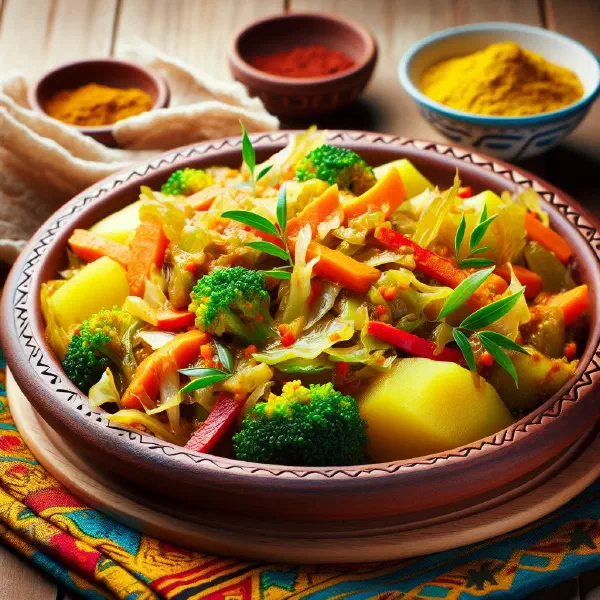
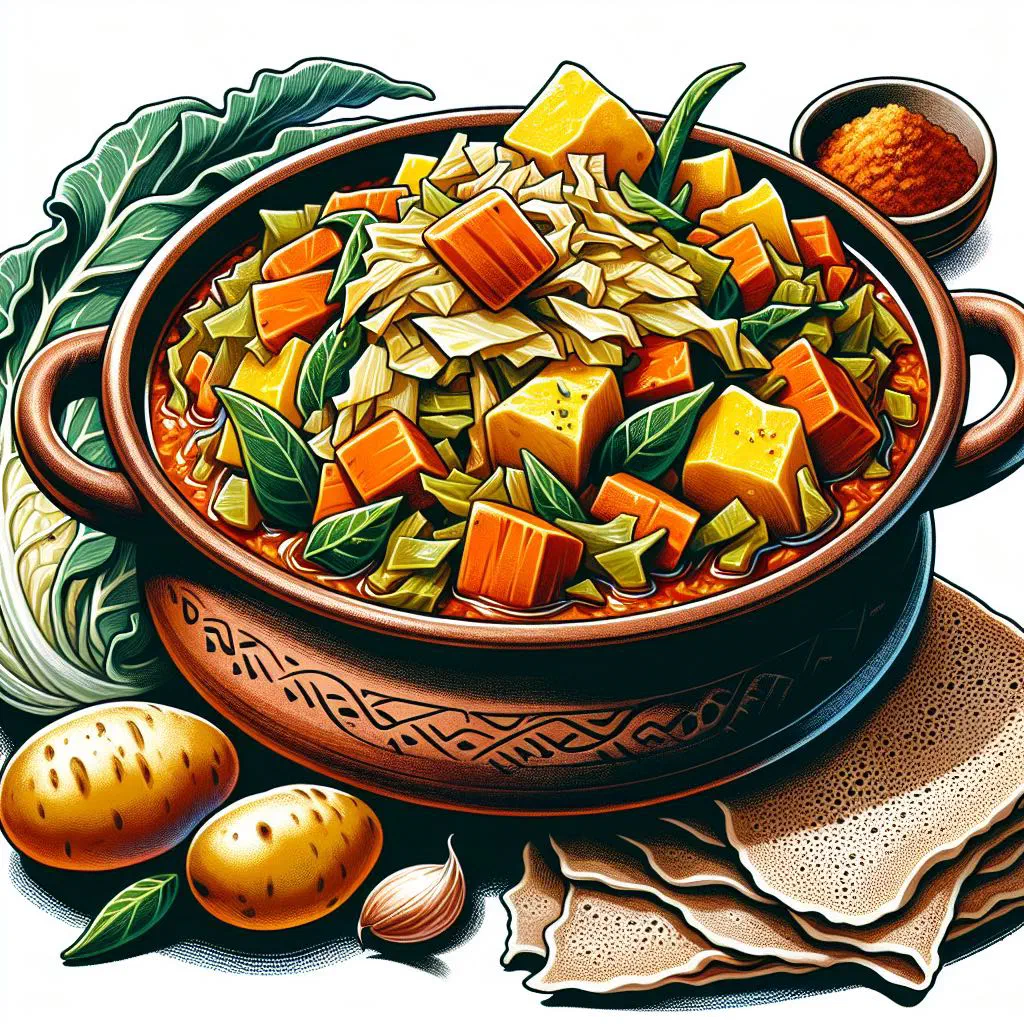
Meet Atkilt Wat, a colourful vegetable medley that sits at the heart of Ethiopian home cooking. Tender cabbage, sweet carrots and hearty potatoes are gently simmered with ginger, garlic and warming spices until every mouthful is soft and full of flavour. Naturally vegan and effortlessly wholesome, it works beautifully as a side or a main. Bring the comforting, aromatic warmth of an Ethiopian kitchen straight to your own table.
About Atkilt Wat
Atkilt Wat is a much-loved Ethiopian dish built from a colourful combination of vegetables. The main ingredients are carrots, potatoes and cabbage, which together make a bright and nourishing meal. Traditional Ethiopian spices such as berbere, along with ginger and garlic, give Atkilt Wat its unmistakable depth of flavour. These harmonious tastes make it a firm favourite both as a side dish and as a main course.
Ingredients (serves 1–2)
- 2 medium potatoes, diced
- 2 carrots, sliced
- 1/2 head of cabbage, cut into strips
- 3 tablespoons vegetable oil
- 1 onion, finely chopped
- 2 cloves garlic, crushed
- 1 piece of ginger (about 2 cm), grated
- 1–2 teaspoons berbere spice
- Salt and pepper to taste
- Water as needed
Shopping for the ingredients
To prepare Atkilt Wat, the freshest ingredients make all the difference. Visit a local market or a well-stocked supermarket to find the best potatoes, carrots and cabbage. When buying spices, look for quality, as they have a strong influence on the flavour of the dish. Where possible, try to source Ethiopian spices and ingredients from specialist import shops. This lends your dish real authenticity.
Preparing the dish
Preparing Atkilt Wat is fairly straightforward, though it does take a little time. Begin by cleaning all the ingredients and getting them ready. Cut the vegetables into even pieces so they cook uniformly. Chopping the onion, garlic and ginger may take a few minutes, but these steps are key to the aromatic flavour of the finished dish.
Step-by-step instructions
- Heat the vegetable oil in a large pot over medium heat.
- Add the chopped onion and sauté until translucent.
- Stir in the crushed garlic and grated ginger and cook for a further minute.
- Add the diced potatoes and carrots and stir everything well.
- Sprinkle the berbere spice over the vegetables and stir it through thoroughly.
- Add the cabbage and pour in enough water to almost cover the vegetables.
- Cover the pot and let it simmer for about 20–25 minutes, until the vegetables are tender.
- Season with salt and pepper and give the dish a final stir.
Gluten-free / lactose-free version
Atkilt Wat is naturally gluten-free and lactose-free, as it contains no animal ingredients. This makes it a great choice for anyone with food intolerances or allergies. To be sure that every ingredient is gluten-free, choose carefully, especially with spices. Read the labels on packaged products to make sure they hold no hidden sources of gluten. Served alongside a fresh Injera, it makes a naturally wheat-free meal.
Tips for vegans and vegetarians
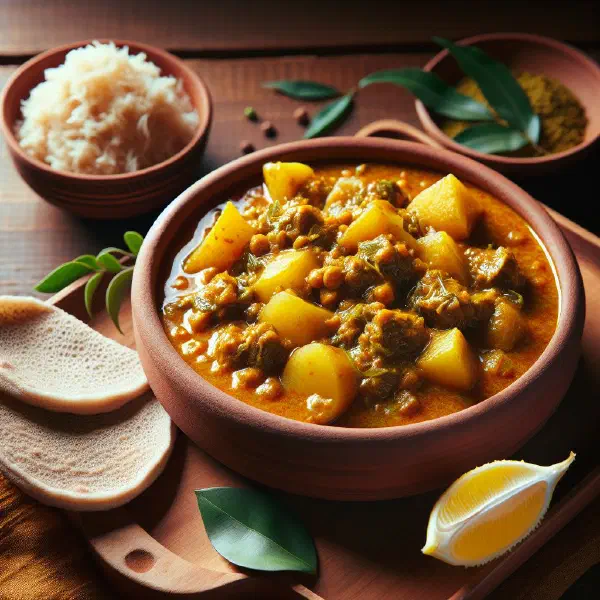
Atkilt Wat is ideal for vegans and vegetarians, as it relies purely on plant-based ingredients. That said, it always benefits from a little adaptation to boost its nutritional value. Add more vegetables such as courgette or cauliflower, for example, to increase the variety. Protein-rich sides like pulses or quinoa can also be served alongside Atkilt Wat to enrich the meal, a spiced Shiro makes a satisfying partner.
More tips and tricks
To intensify the flavours of Atkilt Wat even further, let the dish rest for a while after cooking so all the tastes can mingle. Using fresh, high-quality ingredients also contributes to a more successful result. Adjust the heat of the dish by tweaking the amount of berbere to suit your personal taste. Experiment with herbs such as parsley or coriander to add extra aromatic notes.
Adapting the recipe to your taste
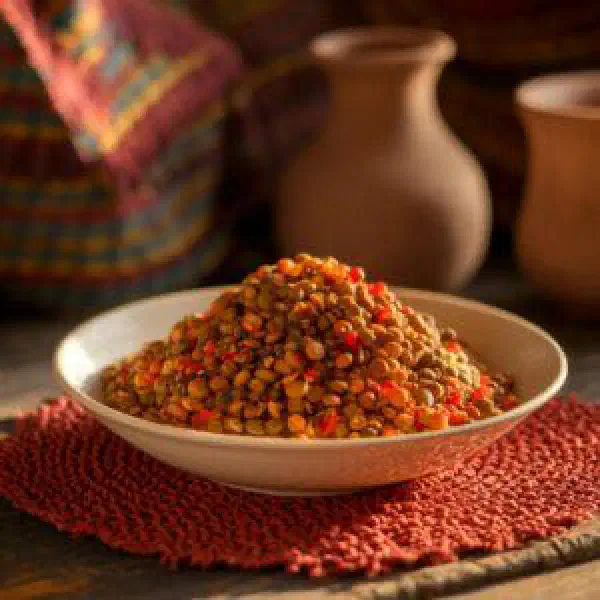
Atkilt Wat is highly adaptable and easy to tailor to personal preference. You can try different vegetables or spice combinations to create interesting variations. For instance, you might add yellow peas or chard to give the dish a fresh twist. Experiment too with other Ethiopian sides, such as a comforting Misir Wat, to create a full and satisfying meal that appeals to your taste buds.
Ingredient substitutions
If you do not have certain ingredients for Atkilt Wat to hand, alternatives are no problem. Kale can be used in place of cabbage, for example, and sweet potatoes are an excellent option for a sweeter note. Instead of berbere spice you can create your own blend of paprika, cumin and cinnamon to achieve similar flavours. Adjustments like these ensure the dish stays delicious, whatever ingredients you use.
Drink pairing ideas
To enrich the experience of Atkilt Wat, it is worth considering the right drinks. A light, refreshing beverage such as an Ethiopian wheat beer or a fruity tea pairs well with the aromatic flavours of the dish. For a non-alcoholic option, a freshly squeezed citrus juice could be a superb choice. Take care that the accompanying drinks are not too dominant, so they complement the flavour of the Atkilt Wat rather than overpower it.
Serving and presentation ideas
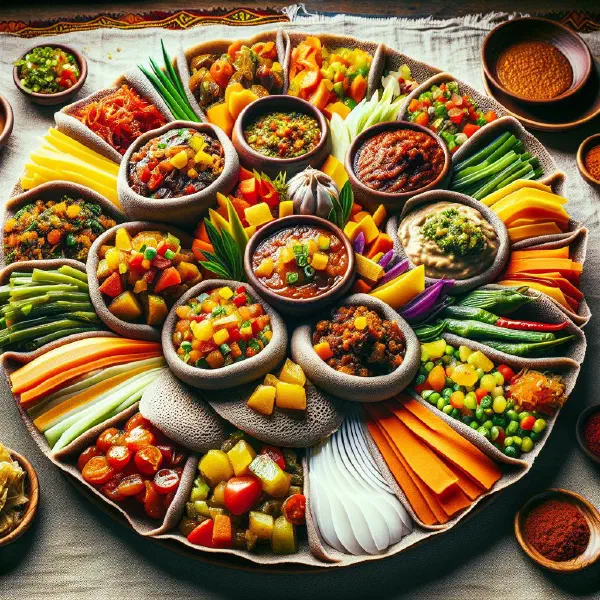
To present Atkilt Wat attractively, arrange the dish in a large bowl or on a platter that highlights the colours of the ingredients. Use fresh herbs such as coriander or parsley as a garnish. Serve the dish with traditional Ethiopian injera to enhance the dining experience, much as you would with a hearty Gomen. This presentation will look appealing and invite your guests to enjoy the full pleasure of the dish.
A bit of history
Atkilt Wat has a long tradition in Ethiopian cooking and is often prepared for festive occasions. The combination of vegetables and spices reflects the rich culture and agricultural diversity of Ethiopia. Ethiopian cuisine is known for its use of fresh, local ingredients that support the diet of the population. Cooking and sharing dishes like Atkilt Wat is also an act of community and generosity, which underlines the social importance of food in Ethiopian cuisine.
More recipe ideas
Summary: Atkilt Wat
All in all, Atkilt Wat is a wonderful dish that captures the flavours and traditions of Ethiopian cuisine. It is a vegan and gluten-free meal, and easily adaptable to personal taste. With simple ingredients and an uncomplicated method, even beginner cooks can succeed. Give Atkilt Wat a try and discover the variety and richness of Ethiopian flavours.