National Dish Ethiopia: Beyaynetu (Recipe)
In this article
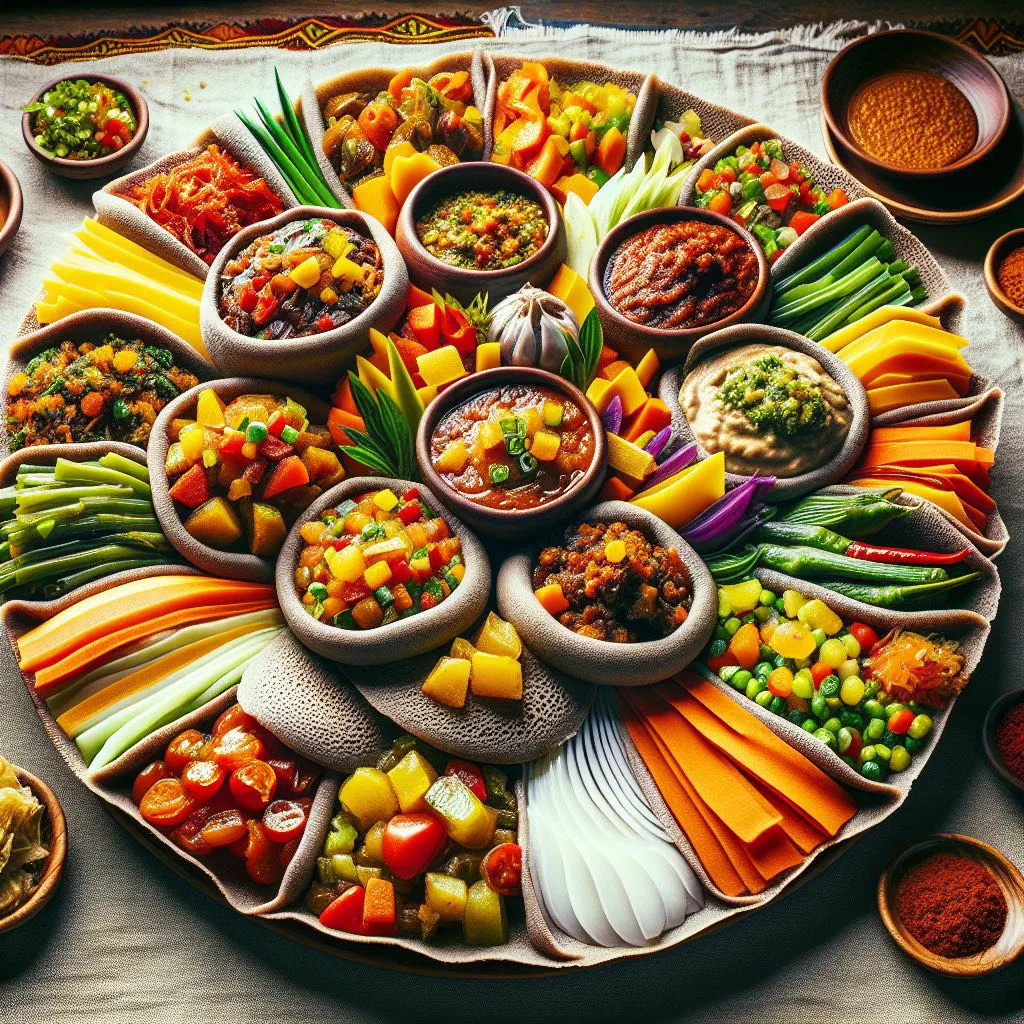
Discover Beyaynetu, the bright sharing platter that captures the generous spirit of Ethiopian dining. A single round of soft injera flatbread becomes an edible plate, dressed with a colourful spread of spiced vegetables, tender lentils and an optional touch of meat. Every mouthful offers a different flavour, and every meal turns into a gathering. Bring this warm, aromatic feast to your own table and share it the way it was always meant to be enjoyed.
About Beyaynetu
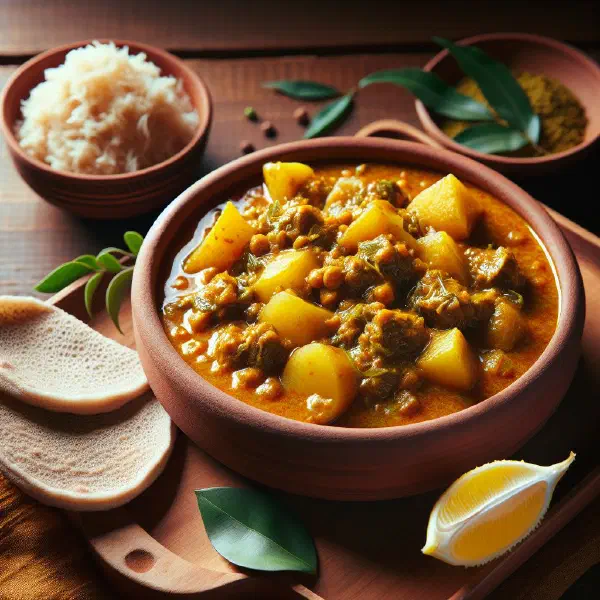
Beyaynetu is more than a meal; it is a culinary experience that embodies the exciting variety of Ethiopian cooking. It is a platter arranged with a selection of vegetable stews, lentils and, if you like, a few meat options. That variety means everyone can find and enjoy their own favourite flavour. At the centre of it all is the injera, a soft flatbread that doubles as an edible serving plate and lends the whole spread its own gently sour note.
Ingredients (serves 1–2)
- 2 cups injera
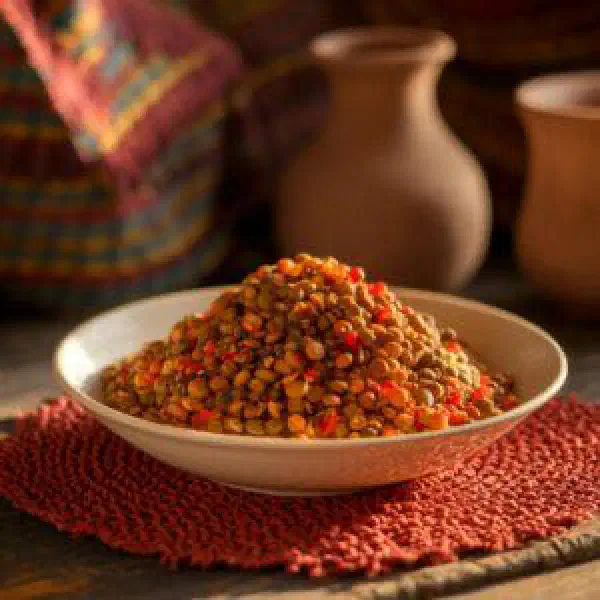
- 1 cup cooked lentils
- 1 cup mixed vegetables (carrots, spinach, cauliflower)
- 200 g beef or chicken (optional)
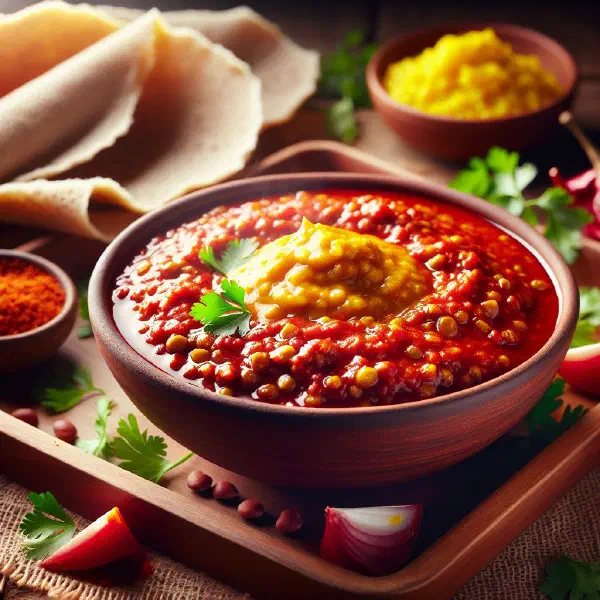
- 2 tablespoons berbere spice
- 2 tablespoons olive oil
- Salt and pepper to taste
Shopping for the ingredients
Injera is often available in international supermarkets or specialist Ethiopian grocery shops. For the lentils and vegetables you can choose fresh or frozen options, depending on the season and what is available. The berbere spice, a key ingredient, gives the dish its characteristic flavour and can likewise be found in well-stocked stores or ordered online.
Preparing the dish
Begin by preparing the ingredients: wash the vegetables and cut them into small pieces. If you decide to use meat, cut it into bite-sized chunks. Cook the lentils until soft, and marinate the meat in a mixture of oil and berbere spice. Let everything rest for a few minutes so the aromas can develop properly.
Step-by-step instructions
- Heat the olive oil in a large pan and sauté the vegetables first.
- Add the marinated meat (if using) and fry until cooked through.
- Stir in the cooked lentils and mix everything well.
- Season with salt, pepper and extra berbere to taste.
- Spread the injera out on a large platter and arrange the mixture evenly on top.
Gluten-free / lactose-free version
Beyaynetu is easy to adapt so it is both gluten-free and lactose-free. Make sure to prepare the injera with gluten-free flours such as rice or maize flour. For the vegetable mix and lentils you can use fresh ingredients that are naturally gluten-free. Since the dish contains no dairy, it is naturally lactose-free.
Tips for vegans and vegetarians
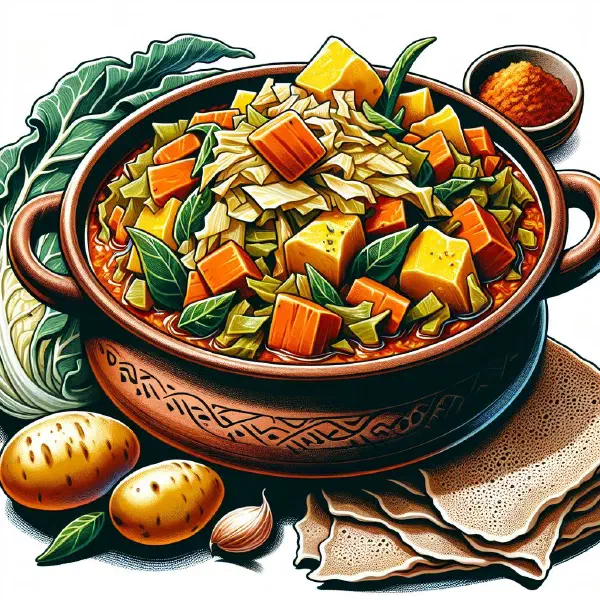
For vegan or vegetarian versions of beyaynetu, the meat is easily left out. Instead, you can work in extra protein sources such as chickpeas or tofu. Spices are the key to giving the dish its full flavour, so feel free to experiment with different combinations. Additional vegetables such as courgette or peppers make an excellent addition, much as they do in a hearty Atakilt Wat.
More tips and tricks
To get the very best from your beyaynetu, be sure to prepare the dish fresh. Allow a little time for the aromas of the spices to settle in properly. Serve everything on one large platter so that everyone can share the meal together. This creates a convivial atmosphere and brings people together, exactly as Ethiopian dining culture intends.
Adapting the recipe to your taste
Everyone has different tastes and preferences, so feel free to adjust the type of vegetables or lentils to your own liking. If you enjoy more heat, simply add extra berbere spice. For a sweeter note, you can work a little honey or agave syrup into the mixture. Experiment and discover which combinations you like best.
Ingredient substitutions
If you do not have every ingredient to hand, there are plenty of alternatives. For instance, you can use mangetout instead of carrots, or swap chicken for turkey. In place of berbere you might also use other spice blends you enjoy. The key is to try out different flavours and not to feel limited by traditional recipes.
Drink pairing ideas
Traditionally, beyaynetu is often served with Ethiopian coffee, famous for its rich aroma and its distinctive method of preparation. Alternatively, fresh smoothies or minty teas go beautifully with the spicy notes of the dish. For those who enjoy alcohol, a light lager or a red wine can make a good companion. The choice of drink can have a real influence on the whole dining experience.
Serving and presentation ideas
We eat with our eyes first, so remember to present your beyaynetu attractively. Use a large, flat serving platter for the injera and arrange the different components artfully on top. Fresh herbs or edible flowers can add an extra touch of beauty. Remember, too, to serve the food in the middle of the table to create a welcoming atmosphere, in the true spirit of Ethiopian cuisine.
A bit of history
Beyaynetu is a part of Ethiopia’s cultural identity. It is often served at celebrations or large family gatherings and symbolises community. Preparing beyaynetu is a genuine coming-together in which all generations take part. In this way the dish becomes a meaningful experience, in terms of enjoyment and of tradition.
More recipe ideas
Summary: Beyaynetu
Beyaynetu is a delicious Ethiopian dish that unites a wealth of flavours and colours in a single feast. It is ideal for sociable occasions and encourages you to create shared taste experiences with family and friends. Whether vegan, vegetarian or with animal products, beyaynetu is easily adapted to individual preferences. Let this traditional dish inspire you and discover the fascination of Ethiopian cooking.