National Dish Ethiopia: Dabo (Recipe)
In this article
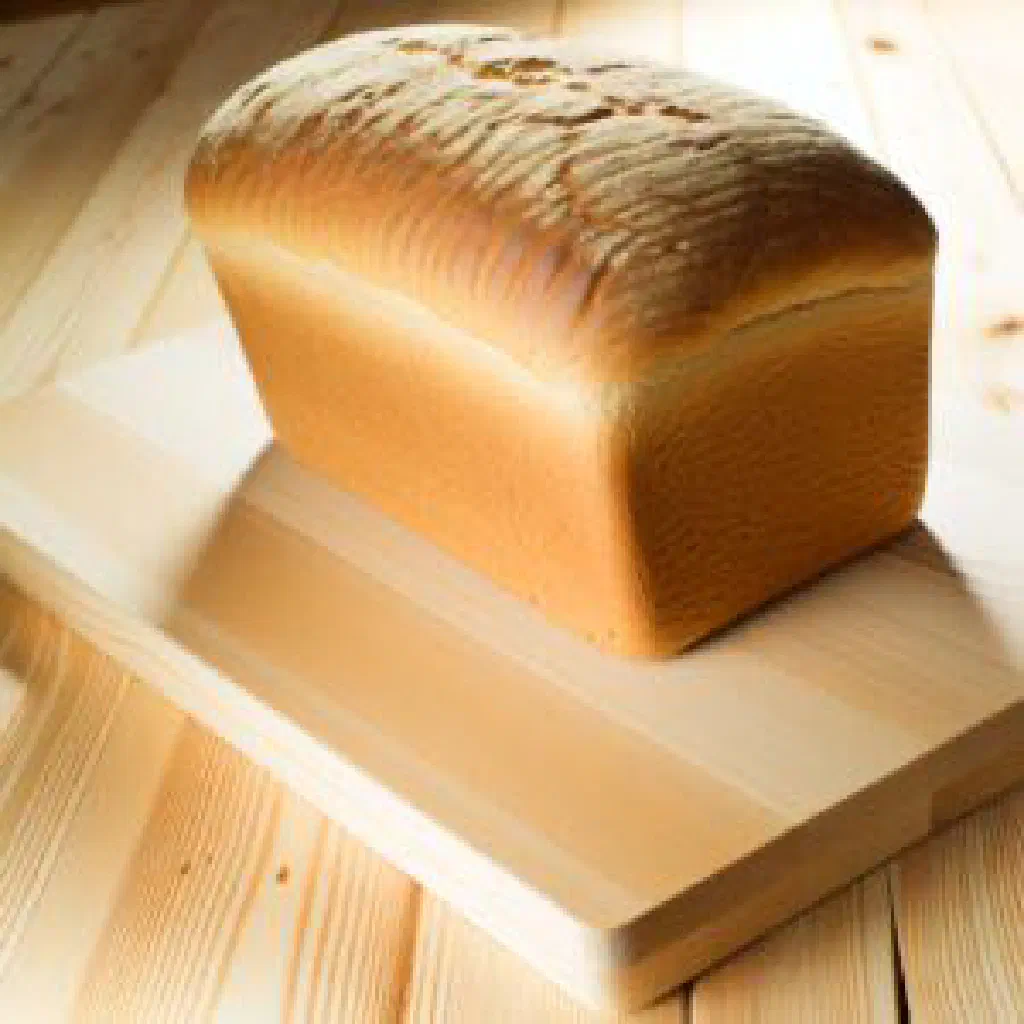
Meet Dabo, Ethiopia’s beloved celebration bread. With its crisp, golden crust and soft, airy crumb, this humble loaf carries the warmth of Ethiopian hospitality straight to your table. Made from just a handful of everyday ingredients, Dabo is the kind of bread that turns a simple gathering into something to remember, baked to be broken and shared among family and friends.
About Dabo
Dabo is far more than a loaf of bread; it is a cultural symbol in Ethiopia. It is often served at festive occasions and communal meals, where it stands for togetherness and the simple joy of sharing. Its preparation takes on many regional variations, yet the core idea stays the same, a combination of a few honest, everyday ingredients. When you bake Dabo, you bring the flavour of Ethiopia into your kitchen, and a piece of tradition and a real sense of community.
Ingredients (serves 1–2)
- 500 g wheat flour
- 300 ml lukewarm water
- 10 g dried yeast
- 2 teaspoons salt
- 2 tablespoons sugar
- 2 tablespoons vegetable oil
Shopping for the ingredients
To make Dabo you only need everyday ingredients that are easy to find in most supermarkets. Wheat flour is the main component and gives the bread its structure. Be sure to buy fresh dried yeast so the dough rises properly and develops that lovely airy crumb. Alongside the classic ingredients, you might also try a few regional products to give the loaf a special character of its own.
Preparing the dish
Getting ready to bake Dabo is refreshingly straightforward and slots easily into a busy day. Start by gathering and measuring out all your ingredients so everything runs smoothly. While the dough proves, you can use the time to tidy the kitchen or prepare a few sides to serve alongside. This makes the whole process not only efficient but far less stressful, too.
Step-by-step instructions
- Add the dried yeast and the sugar to the lukewarm water and leave to rest for about 10 minutes, until a foam forms on top.
- Put the wheat flour and salt into a large bowl and mix well.
- Add the yeast water and the vegetable oil to the flour mixture and knead everything together until you have a smooth dough.
- Cover the dough and leave it to prove in a warm place for about 1 hour, until it has clearly risen.
- Knead the dough again, shape it, and place it into a greased loaf tin.
- Leave the bread to prove for a further 30 minutes and, in the meantime, preheat the oven to 200°C.
- Bake the Dabo for about 30–35 minutes, until golden brown.
- Once baked, remove from the oven and let it cool briefly before serving.
Gluten-free / lactose-free version
If you would like to make Dabo gluten-free, you can use a gluten-free flour such as rice or almond flour. Keep an eye on the liquid ratio, as gluten-free flours often need a little more water. For a lactose-free version, simply make sure the oil and all the other ingredients you use are free from lactose. These small adjustments let you enjoy Dabo whatever your dietary needs may be.
Tips for vegans and vegetarians
Dabo is naturally vegan, as it contains no animal products at all. If you would like to add extra flavour or nutrients, you can work various seeds or nuts into the dough. These additions boost the taste and bring a few extra health benefits along the way. Just take care that everything you add is plant-based, so the loaf stays fully vegan.
More tips and tricks
To make your Dabo especially crisp, place a small bowl of water in the oven while the bread bakes. The steam helps create a lovely crust. Another handy tip is to cover the loaf with a damp tea towel after baking so it stays soft. Experiment with different spices or herbs in the dough to give your Dabo a personal touch all of its own.
Adapting the recipe to your taste
Dabo is easy to tailor to your own preferences. You can combine different types of flour to change both the flavour and the texture. Add dried herbs such as rosemary or thyme for extra aroma, or experiment with a handful of seeds. The recipe can also be enriched with honey in place of sugar for a distinctive, natural sweetness.
Ingredient substitutions
For anyone who prefers not to use yeast, baking powder works as an alternative raising agent, bear in mind that the texture and taste of the bread will be slightly different. Instead of vegetable oil you could reach for olive oil, which lends the loaf a Mediterranean touch. Small swaps like these help you adapt Dabo to suit individual tastes and preferences.
Drink pairing ideas
Dabo goes wonderfully with a whole range of drinks, and traditional Ethiopian favourites such as Tej (honey wine) are especially popular. A good black tea or a fresh mint tea also make great companions to the bread. If you fancy something more refreshing, try pairing your Dabo with a cold ginger beer. These drinks all harmonise beautifully with the hearty flavour of the loaf.
Serving and presentation ideas
To present your Dabo attractively, serve it in a pretty basket or on a broad wooden board. Garnish the bread with fresh herbs, or offer it alongside a selection of dips and sauces from Ethiopian cuisine. Present a mix of spicy and mild flavours to strike a balanced note, a spoonful of fiery Doro Wat works a treat. A thoughtful presentation adds a great deal to the overall dining experience.
A bit of history
Dabo has its origins in Ethiopian culture, where it has been baked for centuries. It is often made in large quantities and is a fixture at family gatherings and celebrations. Historically, Dabo symbolises nourishment and togetherness and sharing. Many families keep their own traditional recipes, passed down carefully from one generation to the next.
More recipe ideas
Summary: Dabo
Dabo is an essential part of Ethiopian cuisine, defined by its simple preparation and its meaning within the community. With its crisp crust and soft interior, it is the perfect companion to many dishes. This bread stands for hospitality and for the sharing of meals with family and friends. Bake a Dabo and bring a piece of Ethiopian culture and tradition into your very own kitchen.