National Dish Ethiopia: Duba Wat (Recipe)
In this article
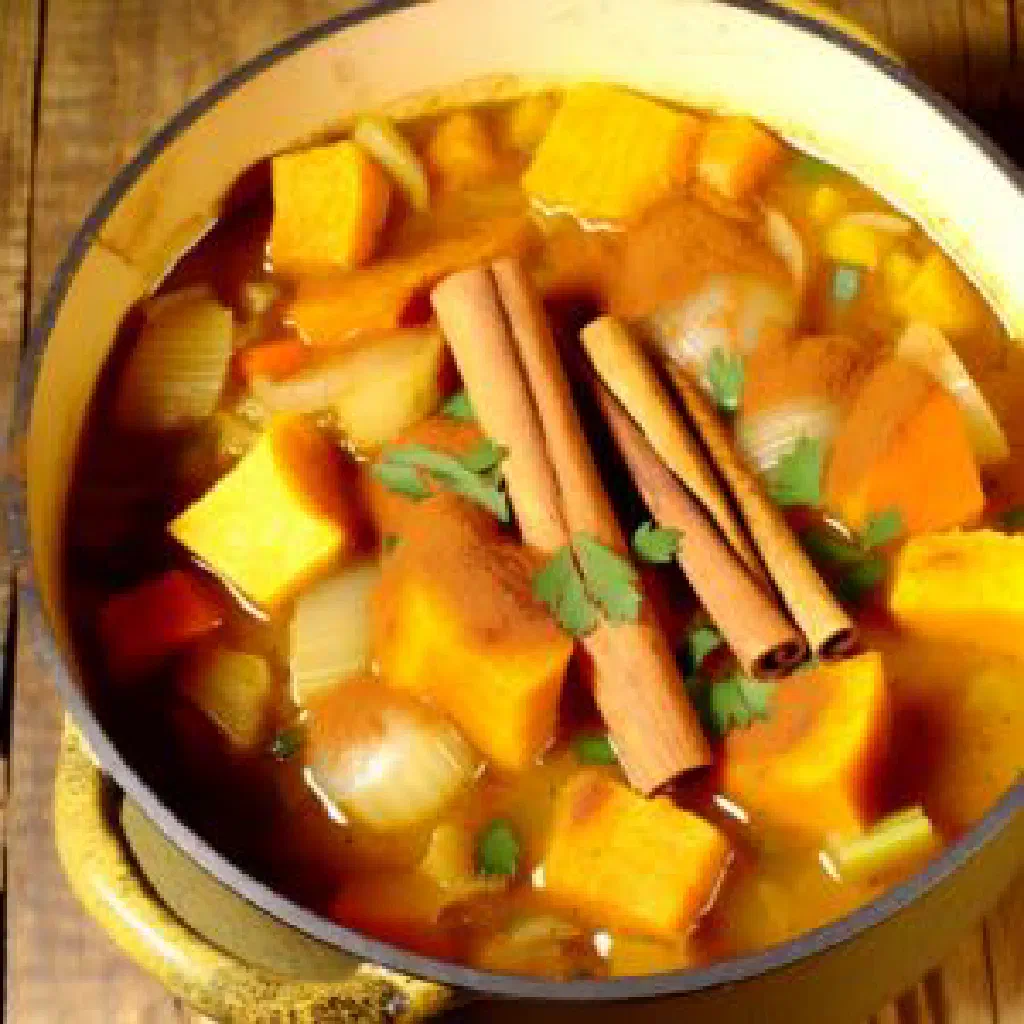
Meet Duba Wat, a warming Ethiopian pumpkin stew that turns humble squash into something deeply aromatic. Simmered slowly with berbere and sweet, softened onions, it delivers layer upon layer of gentle heat and rich spice. Naturally vegan and endlessly forgiving, it is the kind of dish that tastes even better the next day. Serve it with a piece of soft, tangy injera and enjoy a true taste of Ethiopian hospitality.
About Duba Wat
Duba Wat is a traditional Ethiopian dish celebrated above all for its spiced pumpkin flavour. It is a naturally vegan recipe that works beautifully either as a main course or as a side. The star ingredient, pumpkin, is cooked down with a generous mix of warming spices such as berbere, giving the dish an intense, fragrant character. Duba Wat is usually served with injera, the distinctive sourdough-style flatbread that sits at the very heart of Ethiopian cooking.
Ingredients (serves 1–2)
- 500 g pumpkin (e.g. Hokkaido)
- 1 onion, chopped
- 2 cloves garlic, crushed
- 1 tablespoon berbere spice
- 2 tablespoons olive oil
- Salt to taste
- Pepper to taste
- Water or vegetable stock
Shopping for the ingredients
For the best Duba Wat, choose fresh, good-quality ingredients. A local market or a well-stocked grocer is the ideal place to pick up your pumpkin, look for a squash that is ripe and firm, as this gives the best texture and fullest flavour. If you cannot find berbere spice, a homemade blend of paprika, cumin and pepper makes a perfectly good stand-in. Many of these spices are also easy to order online if your local shops fall short.
Preparing the dish
Start by peeling the pumpkin, scooping out the seeds and cutting the flesh into small cubes. Finely chop the onion and crush or finely chop the garlic. Measure out your spices too, so that everything is within easy reach once you begin. A little preparation like this keeps the cooking process smooth and unhurried, and helps the flavours come together as they should.
Step-by-step instructions
- Heat the olive oil in a pan over medium heat.
- Add the chopped onion and fry until soft and golden brown.
- Stir in the garlic and berbere spice and cook for about 1–2 minutes.
- Add the pumpkin cubes, mix everything well and season with salt and pepper.
- Pour in enough water or vegetable stock to cover the pumpkin, then let it simmer gently over low heat for around 20–25 minutes.
- Check the pumpkin from time to time and add a little more liquid if needed.
- Once the pumpkin is tender, taste the dish and adjust the seasoning to your liking.
Gluten-free / lactose-free version
Duba Wat is naturally gluten-free and lactose-free, as it is built entirely on plant-based ingredients. Just make sure the olive oil you use is pure and undiluted. Avoid any products with gluten-containing additives, and take particular care when serving with injera. For a reliably gluten-free accompaniment, you can swap the injera for another kind of bread or a gluten-free side.
Tips for vegans and vegetarians
Duba Wat is an excellent choice for vegans and vegetarians, since it is entirely plant-based. To add an extra source of protein, stir in some chickpeas or lentils. These pulses harmonise beautifully with the spices and make the dish more filling. It also takes well to different vegetables, so feel free to bulk it out for a little more variety. The same spiced, plant-based spirit runs through dishes like Shiro Wat and Misir Wat.
More tips and tricks
Reach for fresh spices when you cook for the most vivid flavour. Making Duba Wat ahead of time lets the aromas mingle and deepen. It often tastes even better the following day. Play with the spice quantities to tune the dish to your own taste. A pinch of cinnamon, for instance, adds an intriguing note that makes the stew all the more interesting.
Adapting the recipe to your taste
Like many traditional dishes, Duba Wat is easy to shape around your own preferences. Add other vegetables you enjoy, such as carrots or courgette. The spice profile is flexible too, experiment with ginger or coriander to uncover new layers of flavour. You can also dial the heat up or down simply by using more or less berbere.
Ingredient substitutions
If pumpkin is not available, sweet potato or carrots make a fine replacement, offering a similar texture and gentle sweetness that pairs well with the spices. When you have no berbere to hand, a homemade mix of paprika, cumin and cayenne pepper will give you a comparable heat and depth of flavour. Adaptable swaps like these keep the recipe flexible and easy to make with whatever you have.
Drink pairing ideas
A refreshing drink such as a fruity iced tea or a light lager sits nicely alongside Duba Wat. A fizzy ginger ale brings a pleasant sweetness that plays off the spices in the dish. For an alcohol-free option, a minty lemon water works wonderfully with the aromas. Any of these round off the meal and make the whole experience more enjoyable.
Serving and presentation ideas
Serve Duba Wat in an attractive bowl to show off the warm colours of the stew. Garnish it with fresh herbs such as coriander or parsley for an extra splash of colour. The interplay of colours and textures makes the meal look as good as it tastes. Add a piece of injera on the side to enjoy the dish the traditional Ethiopian way, scooping up mouthfuls by hand.
A bit of history
Duba Wat has its roots in Ethiopian cuisine, famed for its rich flavours and generous variety of ingredients. Pumpkin dishes appear in many cultures, but Duba Wat stands apart thanks to its specific spice blend and slow preparation. Ethiopia has a long tradition of hospitality, and large family meals are an essential part of the culture. Duba Wat is often served on festive occasions, where it comes to symbolise community and shared joy, much like other stews of Ethiopian cuisine.
More recipe ideas
Summary: Duba Wat
In short, Duba Wat is a unique and delicious dish that offers a wonderful range of flavours to vegans and everyone else alike. The combination of pumpkin and warming spices makes it a real highlight of Ethiopian cooking. Give it a try, savour the rousing aromas this dish has to offer, and let the spirit of Ethiopian hospitality inspire your table.