National Dish Ethiopia: Dulet (Recipe)
In this article
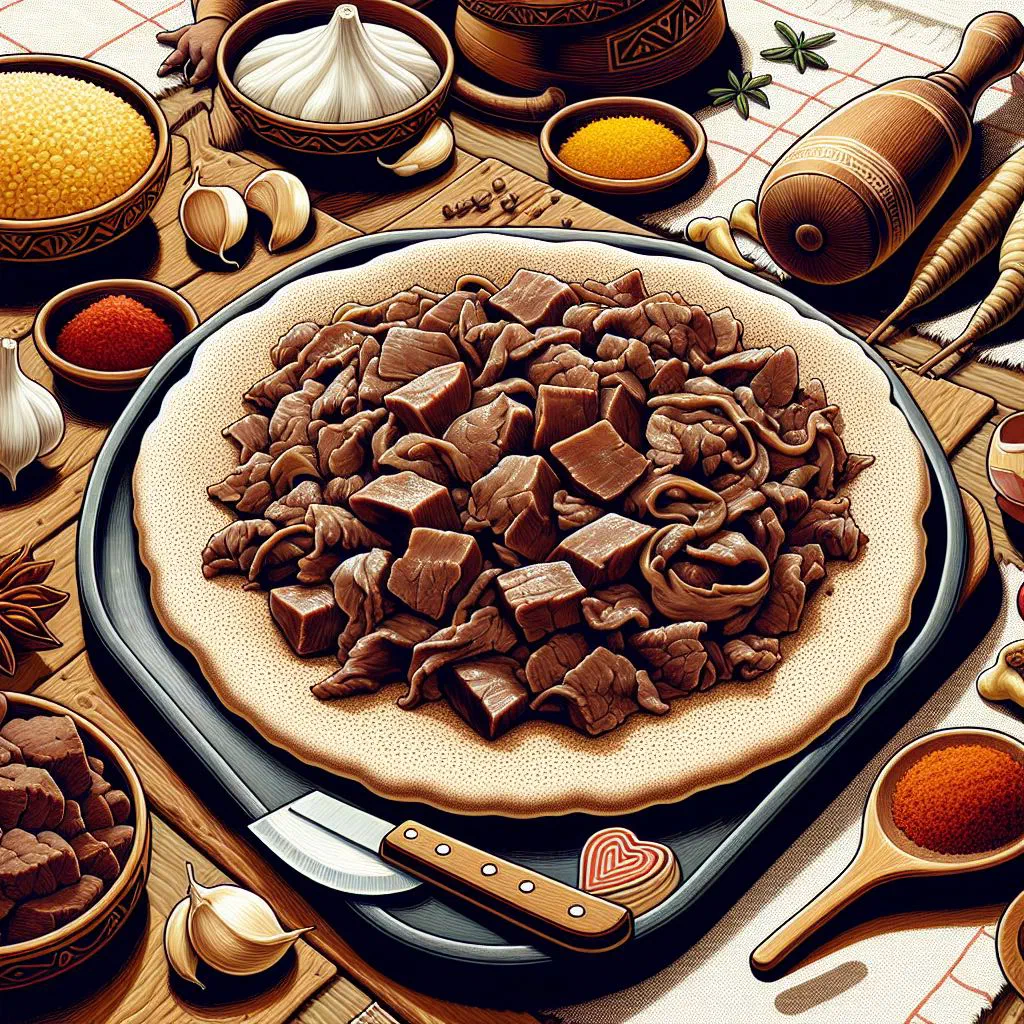
Discover Dulet, one of Ethiopia’s most characterful dishes. This bold speciality brings together tender beef with finely chopped liver and heart, all lifted by a warm blend of spices and herbs. Rich, savoury and wonderfully satisfying, it is the kind of dish that turns a meal into an occasion. Served with soft injera, dulet offers a genuine taste of the Ethiopian table right in your own kitchen.
About Dulet
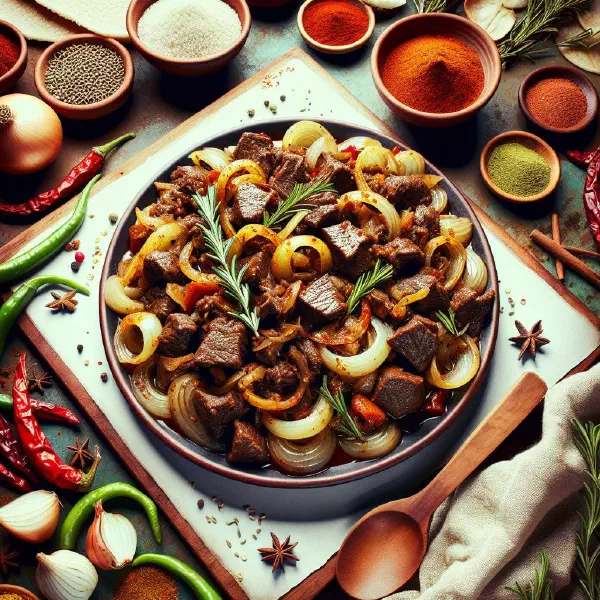
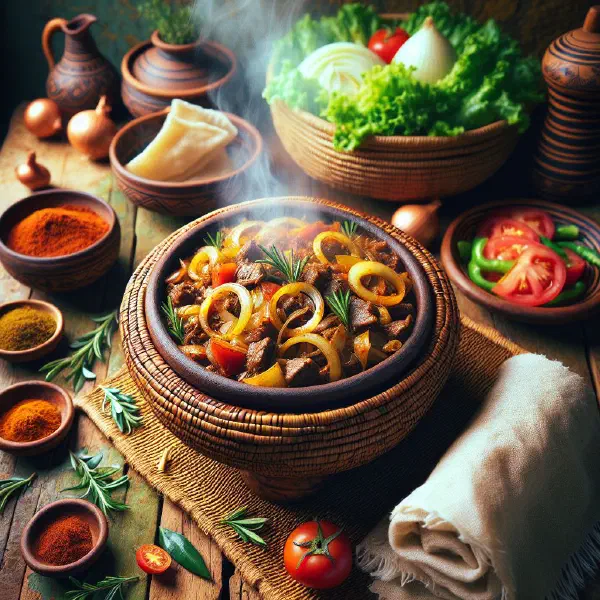
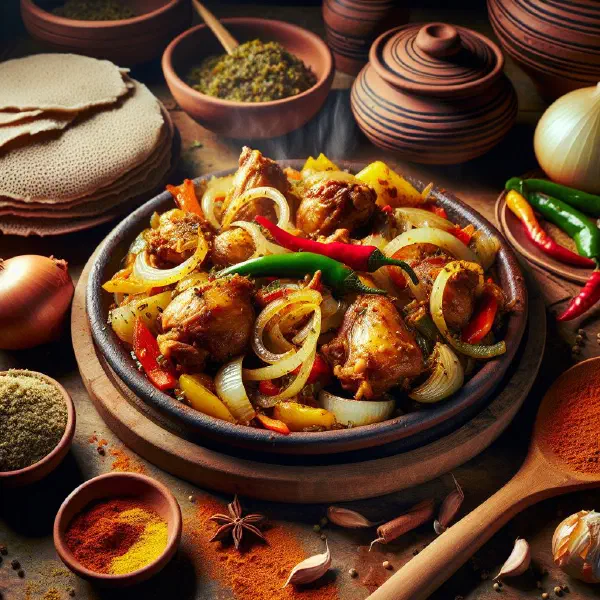
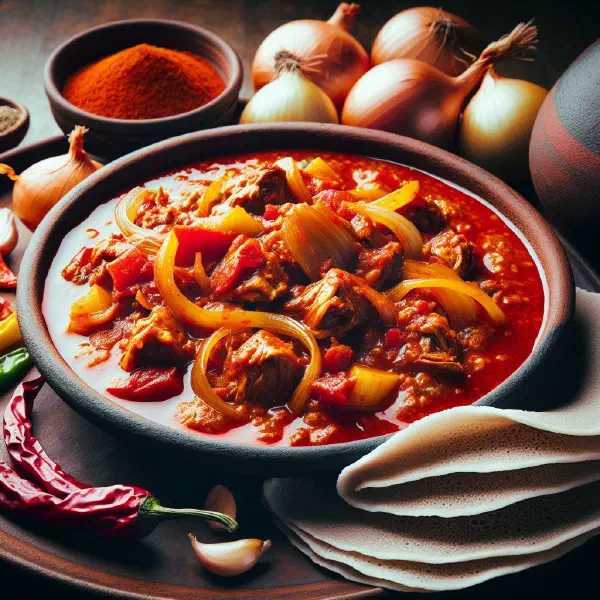
Dulet is a traditional Ethiopian delicacy, celebrated for its depth of flavour and its layered textures. The dish combines tender beef with liver and heart, all seasoned with a generous mix of spices and fresh herbs. This pairing of ingredients creates a truly distinctive eating experience that is both hearty and deeply satisfying. Dulet is traditionally served with injera, the signature Ethiopian flatbread, which makes the dish all the more inviting.
Ingredients (serves 1–2)
- 200 g beef (a tender cut)
- 100 g liver
- 100 g heart
- 2 tablespoons ghee or butter
- 1 onion, finely chopped
- 1 clove garlic, finely chopped
- 1 teaspoon berbere spice
- Salt and pepper to taste
- Fresh herbs (such as coriander), to garnish
Shopping for the ingredients
To prepare an authentic dulet, it is important to track down the right ingredients. Visit an Asian or African grocery to find fresh cuts of meat and special spices such as berbere. Many of these shops also stock injera, so you can pick up everything in one place. Alternatively, some of the ingredients can be found in a well-stocked supermarket.
Preparing the dish
Before you start cooking the dulet, it is worth getting all of your ingredients ready. Cut the beef, liver and heart into small pieces, and finely chop the onion and garlic. Make sure the spices are within easy reach so the cooking can move along quickly. A well-organised kitchen keeps the whole process smooth and stress-free.
Step-by-step instructions
- Heat the ghee or butter in a pan over medium heat.
- Add the chopped onion and garlic, and fry until translucent.
- Add the pieces of meat to the pan and cook until they are fully done.
- Sprinkle over the berbere spice and season with salt and pepper to taste.
- Stir well and let the dish simmer for a few more minutes so the flavours can come together.
- Serve the dulet on a plate, garnished with fresh herbs.
Gluten-free / lactose-free version
Dulet is naturally gluten-free and lactose-free, as long as no cream or other dairy products are added. Use ghee or a plant-based margarine as an alternative to make sure the dish is suitable for those with allergies. Take care that the spices are also free of any gluten-containing ingredients. That way every food lover can enjoy this delicious Ethiopian speciality.
Tips for vegans and vegetarians
For vegans and vegetarians, there are a few clever ways to echo the flavour of dulet. Replace the meat with chopped vegetables such as aubergine, courgette or chickpeas, and lean on plenty of spices to build a savoury depth. A mix of mushrooms can also provide a satisfying, meat-like texture. Choose plant-based and organic produce wherever possible to keep the dish wholesome and light.
More tips and tricks
To make your dulet even tastier, you can add extra spices such as thyme or cumin. Play with the heat by using more or less berbere to suit your palate. The dish looks striking when arranged on a large platter, creating a festive atmosphere at the table. Serve it with fresh injera to enjoy the flavours at their very best.
Adapting the recipe to your taste
Dulet is easy to tailor to your own preferences. For example, you can vary the ratio of beef to liver and heart, depending on what you enjoy most. Add vegetables such as peppers or carrots for extra colour and nutrition. Experiment with the spices to discover new flavour combinations and make the dish truly your own.
Ingredient substitutions
If some ingredients are hard to find, there are alternatives you can turn to. Instead of fresh liver, for instance, you could use tofu or tempeh to keep a similar protein source, much like the plant-based approach behind Shiro. For a different flavour direction, try adding various hot sauces to give the dish an extra lift.
Drink pairing ideas
To round off the dulet experience, a range of drinks work beautifully. An Ethiopian wine or Tej, a traditional honey wine, pairs perfectly with this dish. Alternatively, you could serve a peppery ginger tea or a refreshing lemonade.
Serving and presentation ideas
Presentation plays an important part in serving dulet. Use a large, flat plate to show the dish off attractively. Garnish it with fresh herbs and serve the injera either alongside or wrapped around the edges. We eat with our eyes first, and a beautiful arrangement can build anticipation for the meal to come.
A bit of history
Dulet has a long tradition in Ethiopian cuisine, deeply rooted in the culture and eating habits of the country. It is often served on festive occasions, which only underlines its significance. The dish reflects the many culinary influences of Ethiopia, shaped by its various ethnic groups and regions. Dulet is a part of Ethiopian identity and tradition, sharing the table with classics such as Kitfo and Doro Wat.
More recipe ideas
Summary: Dulet
Dulet is a distinctive Ethiopian dish, made with tender beef, liver and heart to deliver a genuine explosion of flavour. With the right ingredients and a little care in the kitchen, you can prepare this delicious meal at home yourself. Dulet is sure to win you over. Treat yourself to this unique tasting experience and dive into the rich culture and cooking of Ethiopia.