National Dish Ethiopia: Enkulal Firfir (Recipe)

In this article
Start the day the Ethiopian way with Enkulal Firfir, a warming breakfast that turns torn flatbread and freshly cooked eggs into something genuinely memorable. Soft, tangy injera soaks up a fragrant mix of onions, green chillies and the country’s signature berbere spice, while scrambled eggs bring richness and body. It is homely, resourceful cooking at its best, the kind of dish that fills the kitchen with aroma and gathers everyone to the table.
About Enkulal Firfir
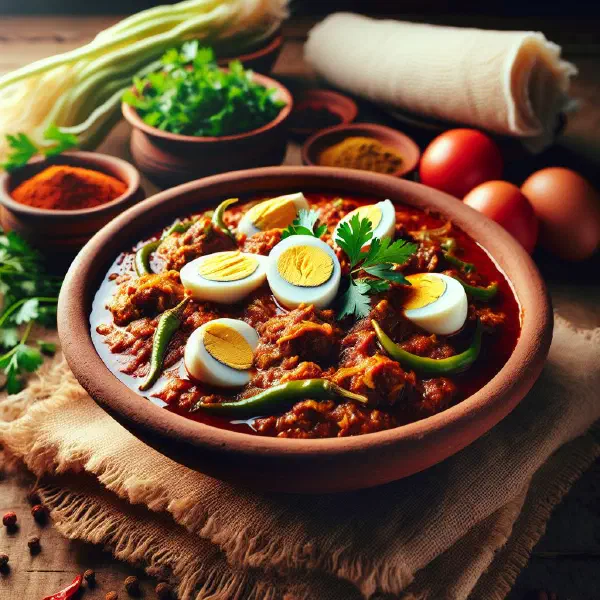
Enkulal Firfir is a traditional Ethiopian dish that makes for a wonderfully hearty breakfast. It brings together torn injera, a soft sourdough-style flatbread, with freshly cooked eggs and a generous range of aromatic spices. This delicious combination promises a truly distinctive eating experience that appeals to locals and visitors alike. It is above all the pairing of the tender, spongy injera with the well-seasoned eggs that gives the dish its unmistakable character.
Ingredients (serves 1–2)
- 2 large eggs
- 2 pieces of injera, torn
- 2 tablespoons oil (such as rapeseed or olive oil)
- 1 onion, finely chopped
- 1–2 fresh green chillies, chopped (to taste)
- 1 teaspoon berbere spice
- Salt and pepper, to taste
- Fresh coriander, to garnish
Shopping for the ingredients
When shopping for enkulal firfir, it is worth paying attention to the quality of your produce. Injera is an essential component and can often be found in African grocery shops. Failing that, you can try making it at home using teff flour. When buying spices, particularly the berbere, look for fresh stock so you get the very best flavour. For the injera itself, a good starting point is a proper Injera recipe.
Preparing the dish
Before you begin cooking Enkulal Firfir, it helps to have everything prepared. Chop the onions and green chillies finely, and tear the injera into bite-sized pieces. Make sure the eggs are ready to be whisked. These small preparations let you work more efficiently at the stove and bring the dish together quickly.
Step-by-step instructions
- Heat the oil in a frying pan over medium heat.
- Add the chopped onions and green chillies and sauté until soft.
- Stir in the berbere spice and mix well to release the aromas.
- Crack the eggs into the pan and stir them through the onion and chilli mixture.
- Once the eggs are lightly set, add the torn injera and mix everything well. Season with salt and pepper to taste.
- Garnish with fresh coriander and serve warm.
Gluten-free / lactose-free version
The ingredients for Enkulal Firfir are naturally gluten-free, as long as you use gluten-free injera. Many African grocery shops stock injera made from teff flour, which is naturally free from gluten. For a lactose-free version, simply rely on the eggs and skip any added dairy. When buying spices, check that they contain no hidden gluten-based ingredients.
Tips for vegans and vegetarians
For vegans, there is a tasty alternative to Enkulal Firfir: replace the eggs with a mixture of silken tofu and spices. This gives you a similar texture and a lovely combination with the injera. Vegetarians can enjoy the original recipe as it stands, since it contains no meat. Consider adding fresh vegetables such as peppers or spinach to boost the nutrients.
More tips and tricks
To deepen the flavour of Enkulal Firfir, take care to caramelise the onions well as they cook. This brings a gentle sweetness to the dish. You can also experiment with different spices to add your own personal touch. Remember to enjoy the dish soon after cooking, as injera is at its best when its texture is still fresh.
Adapting the recipe to your taste
If you would like to adapt Enkulal Firfir to your own preferences, feel free to add different vegetables. Courgette, tomatoes or even broccoli all work well. You can also adjust the heat by varying the number of green chillies. Find the perfect balance to suit your palate. For a heartier spread, serve it alongside a bowl of Shiro.
Ingredient substitutions
Instead of the classic green chillies, you can use red pepper if you prefer something milder. If you can’t find berbere spice, try a blend of paprika, cumin and cinnamon to achieve a similar taste. Injera can also be swapped for tortillas or other flatbreads if you fancy a variation. Be creative and try out different combinations, much like the Firfir family of dishes, this recipe rewards experimentation.
Drink pairing ideas
A range of drinks pairs well with Enkulal Firfir. A traditional Ethiopian coffee would be a superb companion, being strong and aromatic. Alternatively, serve a fresh fruit juice such as mango or pineapple to balance the heat of the dish. A light sparkling water also does a fine job of refreshing the palate.
Serving and presentation ideas
The presentation of Enkulal Firfir can be lifted with colourful plates and fresh herbs. Serve the dish in a large bowl and garnish generously with coriander. You can also arrange the torn injera decoratively around the dish to create an inviting look. Set a small bowl of chilli dipping sauce alongside to offer extra flavour combinations.
A bit of history
Enkulal Firfir has its roots in traditional Ethiopian cooking, where injera is regarded as a staple food. The dish was devised as a clever way to use up leftover injera and eggs, making it economical as well as delicious. In Ethiopia it is often served at the breakfast table, but it can equally be enjoyed as a snack or a light lunch. By weaving together oral tradition and regional ingredients, it reflects the culinary diversity of the country and of Ethiopian cuisine as a whole.
More recipe ideas
Summary: Enkulal Firfir
In summary, Enkulal Firfir is more than just a dish. It is an experience of Ethiopian cuisine. This recipe is a wonderful way to bring the flavours of Africa straight to your table. Discover the variety and richness of Ethiopian cooking with this memorable dish.