National Dish Ethiopia: Foul (Recipe)
In this article
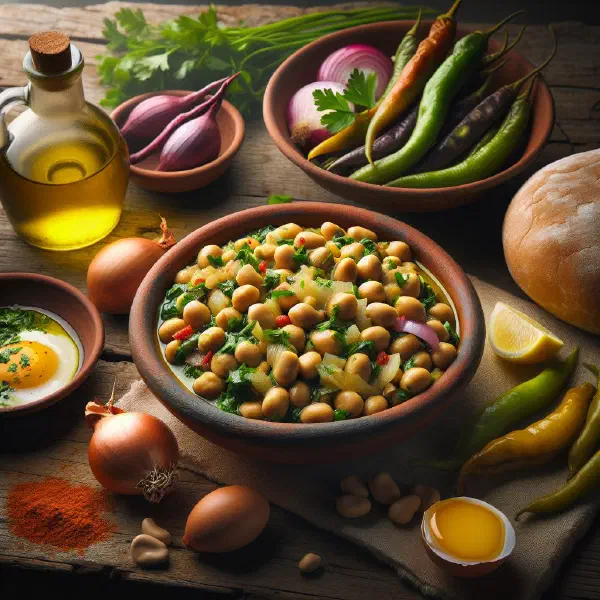
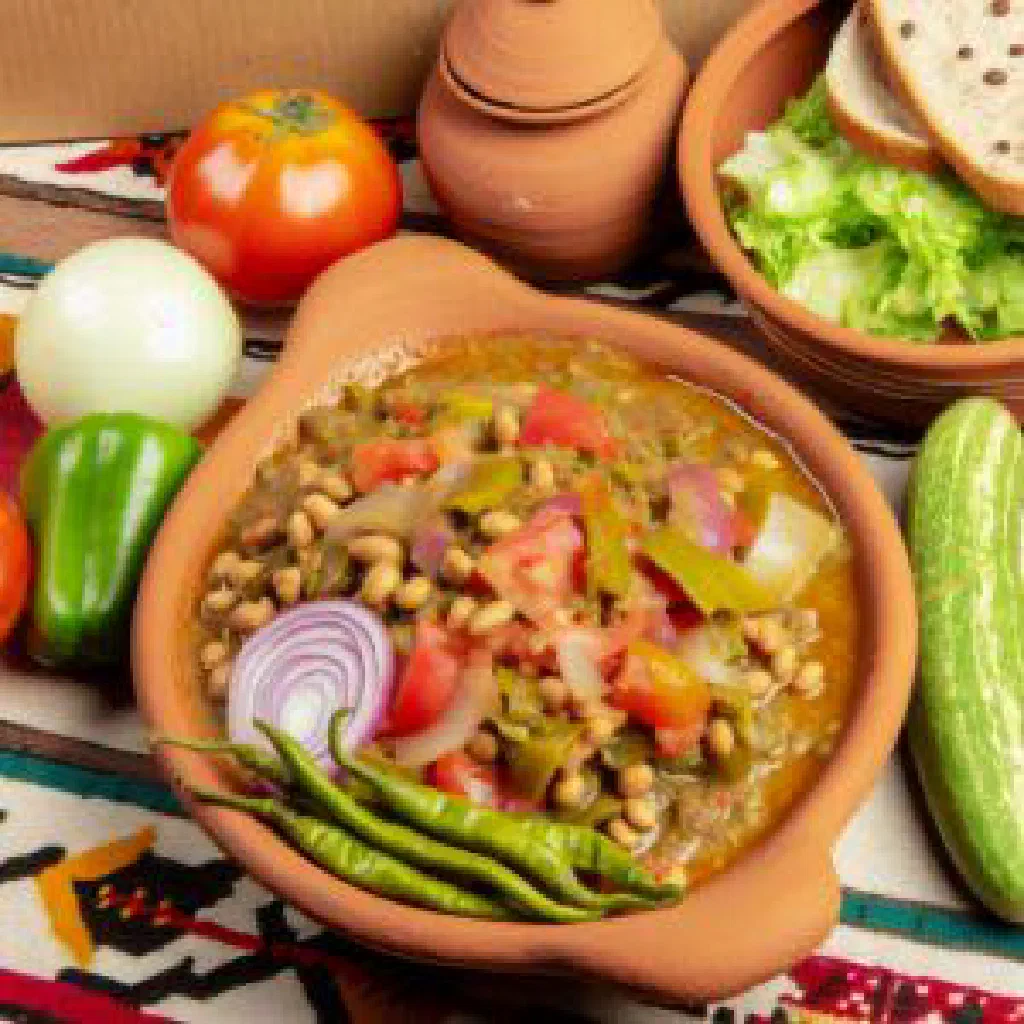
Discover Foul, the national dish of Ethiopia and a wonderfully simple bean dish packed with fresh herbs and warming spices. Slow-cooked fava beans are folded through softened onion, garlic and cumin, then finished with a scattering of coriander and a squeeze of lemon. Equally at home as a hearty breakfast or a light lunch, it delivers big, authentic flavours with very little effort. Bring a taste of the Horn of Africa straight to your own kitchen.
About Foul
Ethiopian Foul is more than just a meal; it is a celebration of flavour and nourishment. It is traditionally made from pulses such as fava beans, combined with a generous range of spices and fresh herbs. Foul is prized for its straightforward preparation and the versatility of its ingredients. It is nutritious and deeply satisfying, making it an excellent choice to start the day or to enjoy as a light midday meal.
Ingredients (serves 1–2)
- 200 g fava beans (dried or tinned)
- 1 small onion, finely chopped
- 2–3 garlic cloves, crushed
- 2 tablespoons olive oil
- 1 teaspoon cumin
- 1 teaspoon paprika
- Salt and pepper, to taste
- Fresh coriander or parsley, to garnish
- Chilli or pepper for heat (optional)
Shopping for the ingredients
To make a delicious foul, choose ingredients that are fresh and of good quality. Many of the required ingredients can be found in specialist health-food shops or international markets, where there is a greater focus on ethnic cuisine. Be sure to use fresh herbs such as coriander or parsley to give the dish an extra lift of freshness. If you opt for dried fava beans, allow enough time to soak them before you begin cooking.
Preparing the dish
Preparing foul could hardly be simpler, and only a few steps stand between you and this tasty dish. Start by soaking the beans if you are using the dried variety. This ensures the beans cook evenly and improves their texture. If you are using tinned beans, you can skip this step and get straight to cooking.
Step-by-step instructions
- Cook the fava beans in a pan of water until soft (about 10–15 minutes; tinned beans need only a brief warm-through).
- Heat the olive oil in a frying pan and sauté the onions until translucent.
- Add the crushed garlic, cumin and paprika, and fry briefly to release their aromas.
- Stir in the cooked beans and season with salt, pepper and chilli to taste. Mix well.
- Take the dish off the heat and garnish with fresh herbs.
Gluten-free / lactose-free version
One of the best features of foul is that it is naturally gluten-free and lactose-free, as long as you use fresh ingredients. Make sure that all the spices and oils you use contain no gluten or lactose-based additives. This makes foul an excellent option for anyone with food intolerances or allergies. By choosing your ingredients carefully, you can keep your foul both tasty and nutritious.
Tips for vegans and vegetarians
Foul is a fantastic dish for vegans and vegetarians, as it is rich in plant-based protein and fibre. It offers the chance to add many different plant ingredients to boost both flavour and nutrition. Depending on your preference, you can stir in various vegetables such as tomatoes, cucumber or peppers to make the dish even more colourful and wholesome, much like the fresh approach behind Azifa. Foul is also delicious served with a range of sauces for extra layers of flavour.
More tips and tricks
To get the most out of your foul, there are a few tips worth keeping in mind. Experiment with different spices to create a flavour that is uniquely yours. A splash of lemon juice or vinegar can lend the dish a refreshing note. You could also try serving foul with flatbread, which is perfect for dipping, soft Injera works especially well. If you prefer, a portion of yoghurt on the side makes a lovely accompaniment too.
Adapting the recipe to your taste
Another advantage of foul is its versatility. You can adjust the ingredients to suit your personal taste by varying the spices or the garnish. If you like things a little heartier, add fried aubergine or courgette. For a touch of sweetness, scatter in some dried fruit or nuts. Foul adapts beautifully to different dietary needs while remaining a delicious and nourishing dish.
Ingredient substitutions
If you struggle to find some of the traditional ingredients, you can simply use alternatives. Should fava beans prove hard to come by, chickpeas are an excellent and similar option, the very base of a creamy Buticha. For the spices, feel free to use your favourite blends as long as the underlying flavour is preserved.
Drink pairing ideas
To round off your foul meal, consider suitable drinks that complement its flavours. A fresh mint tea or a light lemon juice topped up with water make refreshing companions. A glass of Ethiopian coffee can also be a wonderful way to finish. For a special occasion, you might consider a glass of red wine, which pairs well with the earthy notes of the dish.
Serving and presentation ideas
A feast for the eyes can make the food even more appealing. Serve foul in a large bowl and garnish it generously with fresh herbs and a squeeze of lemon. Small dishes of accompaniments such as yoghurt or pickled vegetables make the dish even more inviting. Use colourful crockery to bring out the bright tones of the food, which improves not only the presentation but the whole dining experience.
A bit of history
The roots of foul reach deep into Ethiopian cuisine, where it is traditionally served as a simple street food. It reflects the cultural diversity and history of the region, with local ingredients and traditional cooking techniques playing a central role. Foul is a much-loved dish passed down from generation to generation, and variations can be found across other countries of the Middle East. Its popularity is also the result of migration, which has carried the dish into many different kitchens and communities. To explore more of this tradition, dive into the wider world of Ethiopian cuisine.
More recipe ideas
Summary: Foul
In summary, foul is an exceptionally versatile and tasty dish that suits both everyday meals and special occasions. It is simple to prepare and offers a wealth of ways to adapt it to different tastes and preferences. Give foul a try and discover the aromatic world of Ethiopian cuisine.