National Dish Ethiopia: Kik Alicha (Recipe)
In this article
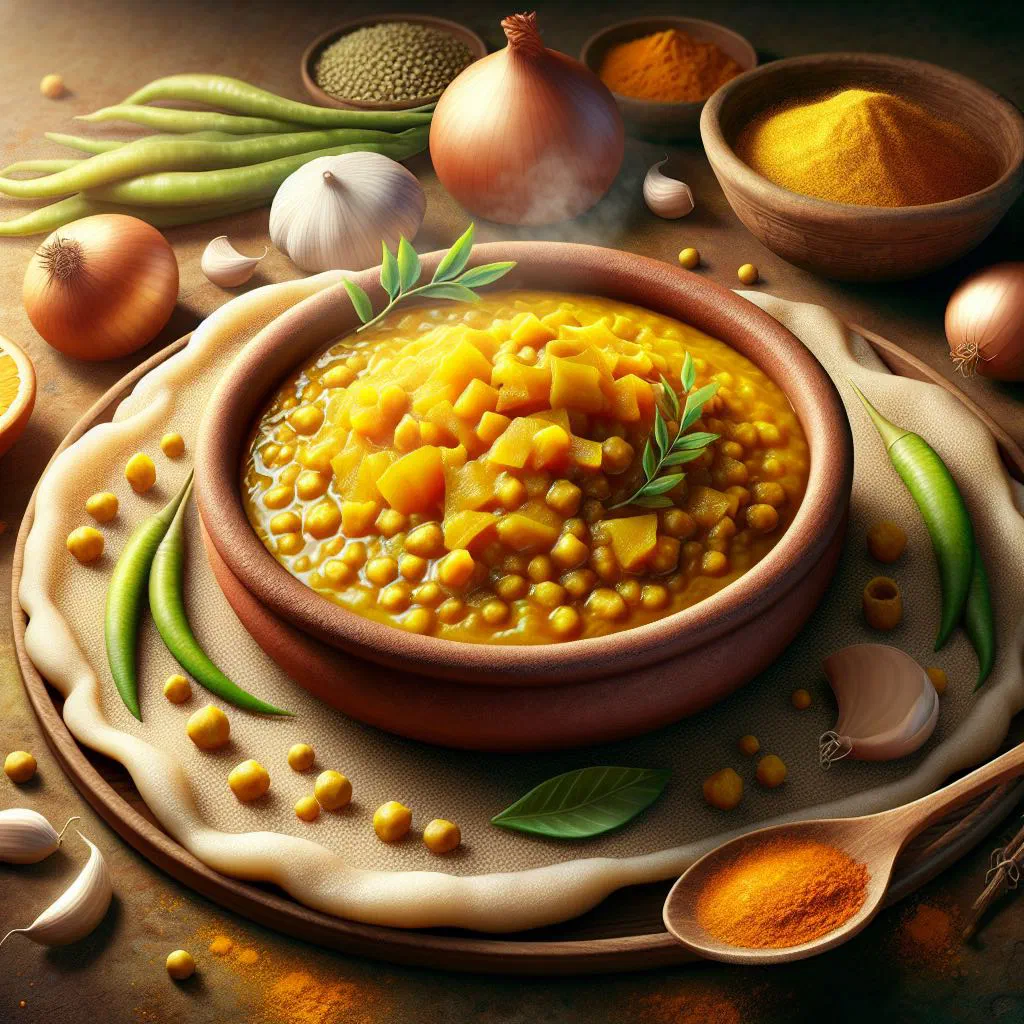
Discover Kik Alicha, a wonderfully comforting yellow split pea stew from the heart of Ethiopia. Gently simmered with onion, garlic and fragrant ginger, this mild, golden dish shows off just how satisfying plant-based cooking can be. It is a firm favourite among vegetarians and a brilliant introduction to the warm, aromatic world of Ethiopian home cooking. Serve it up and let its gentle spices win everyone over.
About Kik Alicha
Kik Alicha is a traditional Ethiopian dish that is especially popular with vegetarians. It is built around yellow split peas, simmered slowly with a range of spices and fresh vegetables. The layered flavours and pleasing, tender texture make it a hearty dish that works equally well as a main course or as a side. It captures the culinary variety of Ethiopia beautifully and offers a wonderful way into the country’s rich food traditions. If you enjoy gentle, mellow stews, you will find a natural companion in Misir Alicha.
Ingredients (serves 1–2)
- 200 g yellow split peas
- 1 medium onion
- 2 cloves of garlic
- 1 teaspoon fresh ginger, grated
- 2 tablespoons berbere spice
- 1 carrot
- 1 tablespoon vegetable oil
- Salt to taste
- Water as needed
Shopping for the ingredients
When shopping for the ingredients for Kik Alicha, it is worth choosing fresh, good-quality peas. Yellow split peas are stocked by most supermarkets and can also be found in Asian and African grocery shops. The spices matter too, above all the berbere spice, which is key to the dish’s authentic character. It is a good idea to buy your spices in small quantities so they stay fresh and fragrant.
Preparing the dish
Preparing the dish involves soaking the yellow split peas first, which shortens the cooking time and gives a more even consistency. Leave them to soak in water for a few hours, or overnight if you can. It is also important to finely chop the onion, garlic and carrot so their flavours come through at their best.
Step-by-step instructions
- Rinse the soaked peas and bring them to the boil in a pan of fresh water.
- In a large pan, sauté the onion, garlic and ginger in the vegetable oil until golden brown.
- Add the carrot and let it fry briefly alongside.
- Stir in the berbere spice and mix well so the spices can release their aromas.
- Add the cooked peas to the pan with a little water and bring everything to the boil.
- Let the mixture simmer over low heat for 30 to 40 minutes, until the peas are soft.
- Season to taste with salt and serve.
Gluten-free / lactose-free version
Kik Alicha is naturally gluten-free and contains no dairy, which makes it an excellent choice for anyone with food intolerances. Every ingredient in the dish is plant-based and gentle on sensitive stomachs. That said, it is worth making sure that all the spices and oils you use are gluten-free as well. Look out for products with the appropriate labelling to be on the safe side.
Tips for vegans and vegetarians
For vegans and vegetarians, Kik Alicha is a real highlight, as it is made entirely from plant-based ingredients. To make the dish even more substantial, you can add green vegetables or tofu. If you fancy trying different versions, experiment with other vegetables or pulses. It is lovely served with injera, the traditional Ethiopian flatbread, much like the version paired with Atir Kik Alicha.
More tips and tricks
A few tips and tricks can help you make Kik Alicha even tastier. A splash of lemon juice just before serving, for instance, adds a lovely fresh note. Serving it with a selection of dips and sauces can also bring the flavours to life.
Adapting the recipe to your taste
One of the great things about Kik Alicha is how easily it adapts to personal preference. You can choose different vegetables depending on the season or your own taste. Add spinach or squash, for example, for extra texture and flavour. The intensity of the spices can be dialled up or down too, to make the dish milder or a little livelier.
Ingredient substitutions
If you struggle to find certain ingredients, there are some easy alternatives to consider. Red or green lentils can be used in place of yellow split peas, though the texture and flavour will shift slightly, the same lentils that shine in Berbere Lentil Stew. Instead of berbere spice, you could use a blend of paprika, cumin and coriander. It is remarkable how much creative room this dish leaves you.
Drink pairing ideas
Plenty of drinks pair beautifully with a hearty dish like Kik Alicha. Tea is a popular choice in Ethiopia, and a fruity hibiscus-based infusion would complement the flavours nicely. Alternatively, serve a light, fresh water with lemon or cucumber to round off the spices. A glass of red wine could also make an interesting match and bring out the dish’s aromas.
Serving and presentation ideas
Presentation matters too when you serve Kik Alicha. Bring the dish to the table in a shallow bowl and garnish it with fresh herbs such as coriander or parsley. Another lovely idea is to present it alongside injera as a wrap, creating a traditional feel. Use colourful plates and napkins to complete the look and give your guests a special dining experience.
A bit of history
Kik Alicha has a long tradition in Ethiopian cuisine and is a well-loved dish prepared in many households. It is often served during religious festivals or as part of celebratory meals. The pairing of yellow split peas with aromatic spices makes it nourishing and a symbol of the hospitality and warmth of Ethiopian culture. The dish is a wonderful way to discover the country’s cultural roots, a theme you will find running through all of Ethiopian cuisine.
More recipe ideas
Summary: Kik Alicha
To sum up, Kik Alicha is a flavourful, easy-to-make dish that captures the delicious aromas of Ethiopia. It offers a wonderful way to eat well while discovering new tastes. With the right preparation and presentation, this dish leaves a lasting impression and will pleasure vegetarians and meat lovers alike. Give it a try and bring a taste of this traditional Ethiopian vegetarian classic to your own table.