National Dish Ethiopia: Kolo (Recipe)
In this article
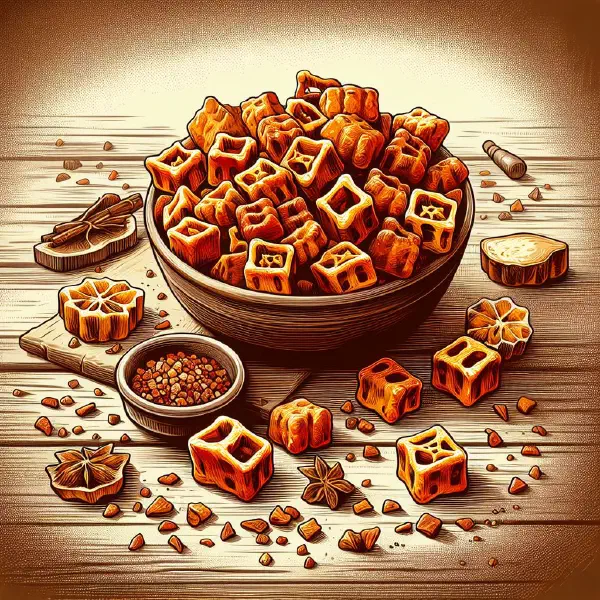
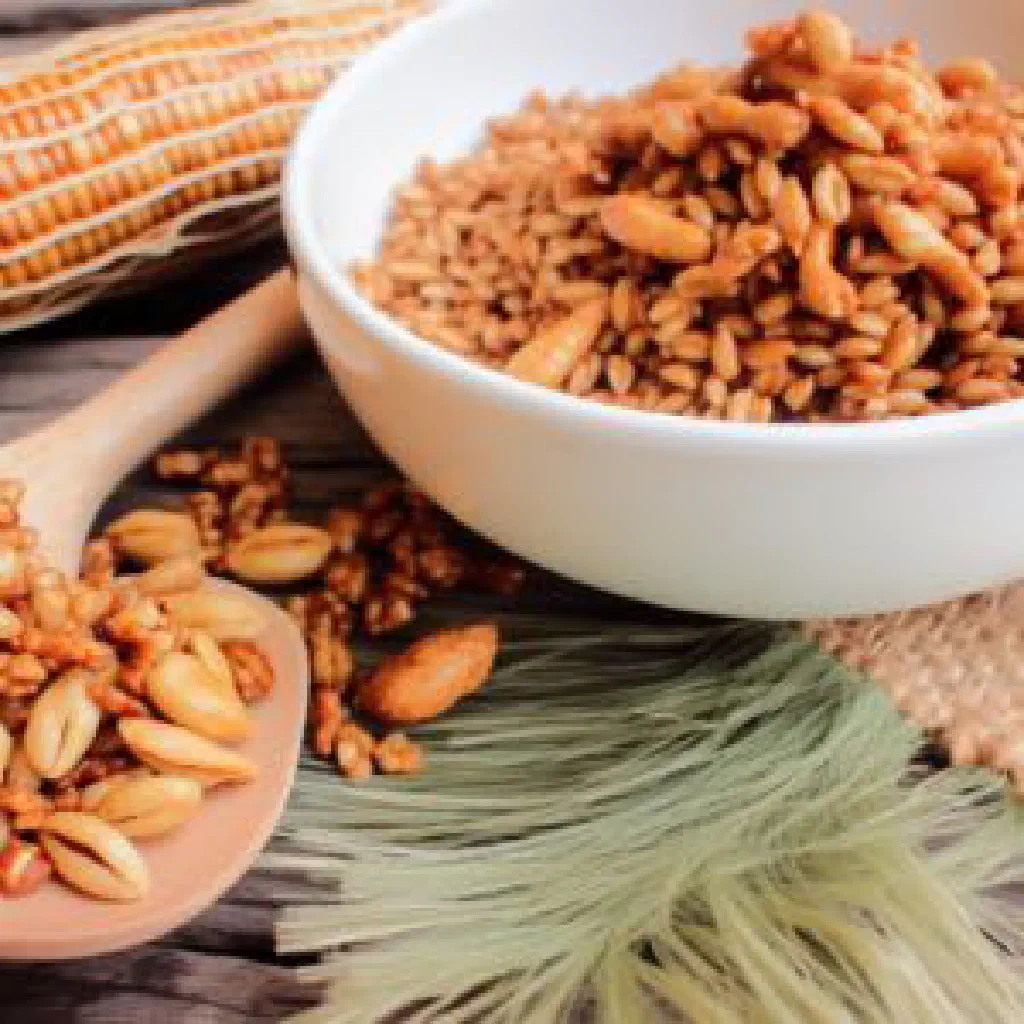
Say hello to Kolo, the moreish roasted snack that turns up at almost every Ethiopian gathering. Made from toasted grains and crunchy peanuts with a whisper of salt and spice, it is the sort of nibble that keeps a room chatting for hours. Simple, wholesome and endlessly snackable, Kolo carries the warmth of Ethiopian hospitality in every handful, and it takes just minutes to make at home.
About Kolo
Kolo is a traditional Ethiopian snack built around roasted grains, often enriched with peanuts and a handful of chosen spices. It appears at sociable occasions of every kind and is a firm favourite for snacking during festivals or simply when friends gather round. Not only is Kolo wonderfully easy to prepare, it is also nourishing, offering a delicious way to enjoy a taste of Ethiopian culture. This flavourful little snack tells the story of Ethiopian cooking and the importance of shared eating traditions.
Ingredients (serves 1–2)
- 100 g barley grains (or dates)
- 50 g peanuts (optional)
- 1 tsp salt
- 1 tsp paprika or other spices of your choice
- 2 tbsp oil (such as peanut oil or olive oil)
Shopping for the ingredients
To make Kolo you need only a handful of ingredients, most of which are easy to find in ordinary supermarkets or African grocery shops. Aim for good-quality barley grains and fresh peanuts. The spices can vary depending on the flavours you prefer. It is also well worth a trip to a local market to track down fresh ingredients and perhaps even discover a new spice or two.
Preparing the dish
Before you start making Kolo, it pays to get the ingredients properly prepared. The barley grains should be washed thoroughly and, if you like, soaked for several hours or overnight to ensure an even roast. A key step is toasting the grains and peanuts, as this deepens and intensifies the aromas. Have your chosen spices measured out and ready in the quantities you want, so you can fine-tune the flavour as you go.
Step-by-step instructions
- Roast the barley grains in a pan over medium heat until golden brown.
- Add the peanuts and toast for a few minutes more, until lightly browned.
- Season the mixture with salt and spices to taste.
- Tip the roasted combination into a bowl and drizzle with oil.
- Leave to cool as desired and serve.
Gluten-free / lactose-free version
Kolo is naturally gluten-free if you swap the barley for a gluten-free grain such as quinoa. It is also an excellent choice for anyone who is lactose intolerant, since no dairy is involved at all. Using plant-based oils means the dish suits vegan and vegetarian diets too. Feel free to experiment with different gluten-free grains and nuts to find your own twist.
Tips for vegans and vegetarians
Kolo is a good dish for vegans and vegetarians, as its base of grain and nuts is entirely plant-based. To enrich the snack, you might add dried fruit or a mix of different nuts. These extras are good for you and lend Kolo a gentle sweetness. Be sure to choose spices free of animal products so the dish fits your dietary needs completely.
More tips and tricks
To make Kolo even tastier, try out different roasting methods, toasting the grains in the oven or over a grill, for example. These approaches can shift the flavour and aroma and offer new textures. Another lovely idea is to add fresh herbs or a pinch of warming spices for a surprising note. Play around with the ingredients until you land on your perfect blend.
Adapting the recipe to your taste
Kolo is easy to tailor to your own preferences. If you like things sweeter, stir in a little honey or agave syrup for a touch of sweetness. Or go for a spicier version with more seasoning to liven the snack up.
Ingredient substitutions
If you have no barley to hand, you can reach for other grains such as kamut, millet or even rice. In place of peanuts, other nuts like almonds or cashews work well to ring the changes. The spice mixes, too, can be adjusted to whatever is available and to your personal taste. See what suits you best and create your very own version of Kolo, a snack that sits beautifully alongside heartier plates such as Kitfo.
Drink pairing ideas
To round off your Kolo, pair it with a well-chosen drink. A freshly brewed Ethiopian coffee is a superb match and lifts the flavours of the snack. Alternatively, gentle fruit juices or homemade teas make light, easy-going companions. Enjoy Kolo with a suitable drink to create a harmonious tasting experience.
Serving and presentation ideas
Presenting your Kolo well adds to the pleasure of eating it. Serve the snack in an attractive bowl or on a wooden platter for an authentic look. Garnish with fresh herbs or edible flowers to give the dish a special touch. Make sure your guests can savour the different textures and aromas by arranging the Kolo prettily.
A bit of history
Kolo is among Ethiopia’s traditional snacks and carries a history reaching right back to the country’s origins. It is often served as finger food and forms part of the hospitality that is held in such high regard in Ethiopian culture. The snack represents the local ingredients and the traditions of gathering and celebration. Kolo is more than just a snack; it brings people together and tells its own stories, a spirit you will also taste across the wider Ethiopian cuisine.
More recipe ideas
Summary: Kolo
Kolo is a versatile and nourishing snack deeply rooted in Ethiopian cuisine. Not only is it simple to make, it is also endlessly adaptable to different tastes and dietary needs. With its combination of roasted flavour, crunchy nuts and warming spices, it appeals to both the palate and the imagination. Give this dish a go at home and bring a little piece of Ethiopia to your table.