National Dish Ethiopia: Shiro Wat (Recipe)
In this article
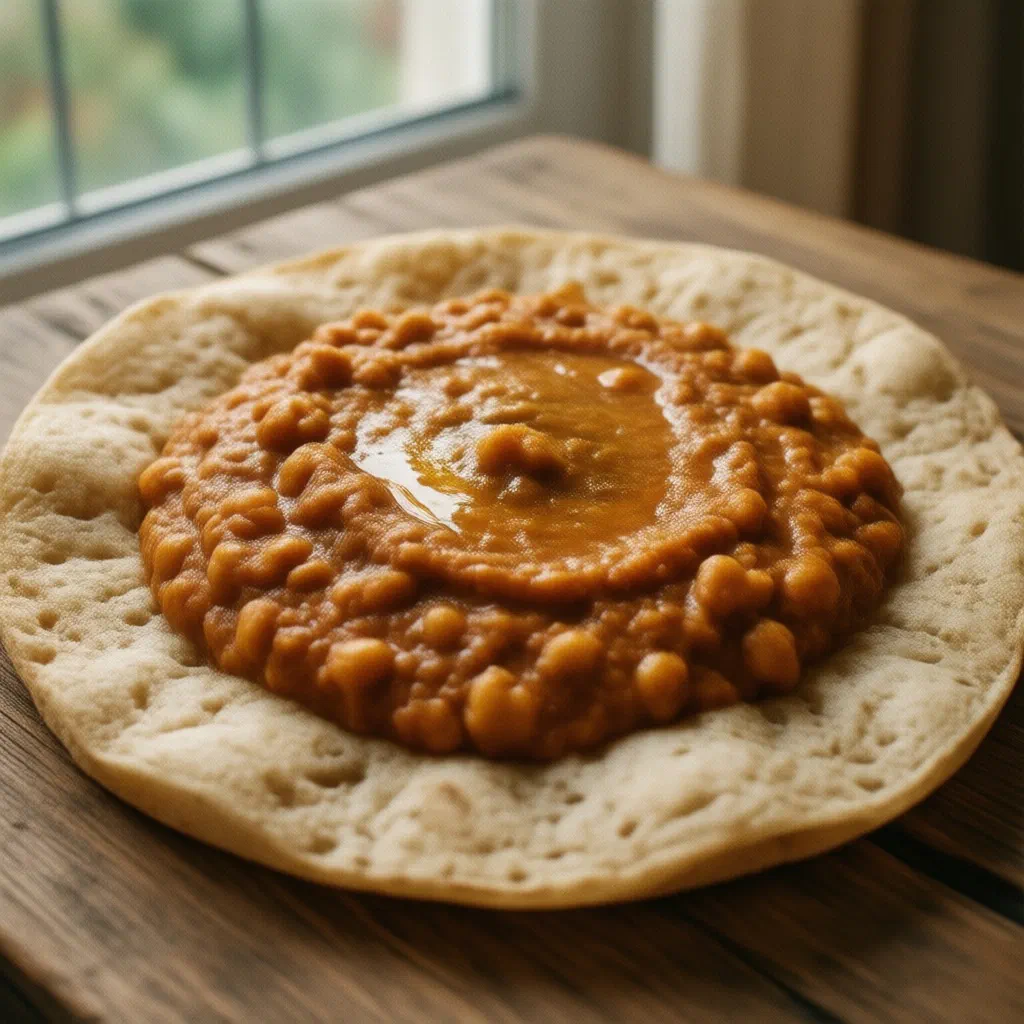
Discover Shiro Wat, Ethiopia’s beloved chickpea stew and a true cornerstone of the country’s cooking. Silky, deeply savoury and gently spiced, it is built on ground chickpeas simmered into a comforting sauce and lifted by the warm heat of berbere. Naturally vegan and endlessly satisfying, this is the kind of dish that turns a handful of humble store-cupboard staples into something genuinely memorable. Bring the flavours of the Ethiopian highlands straight to your own table.
About Shiro Wat
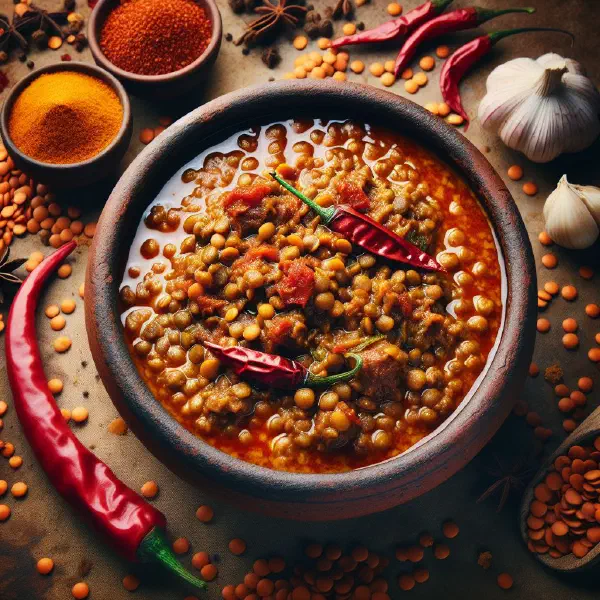
Shiro Wat is a traditional Ethiopian stew made from ground chickpeas or beans cooked slowly into a smooth, hearty sauce. It is filling and brimming with aromatic spices that please the palate. In particular, the use of berbere, a fragrant blend of many different spices, gives Shiro Wat its characteristic warmth and depth. It is widely recommended as a perfect vegetarian or vegan meal, one that impresses everyone with its sheer variety of flavour.
Ingredients (serves 1–2)
- 1 cup chickpea flour
- 2–3 tablespoons berbere spice
- 4 cups water
- 1 onion, finely chopped
- 2 tablespoons oil (such as sesame or vegetable oil)
- Salt and pepper, to taste
Shopping for the ingredients
The ingredients for Shiro Wat are easy to find in most well-stocked supermarkets, and especially in Ethiopian grocery shops. Chickpea flour is an essential component and should be as fresh as possible to guarantee the best flavour. Berbere can also be made at home by combining a range of spices such as paprika, cumin and cinnamon. The quality of the ingredients you use has a considerable effect on the final result and can be the difference between an average and an exquisite Shiro Wat.
Preparing the dish
To make Shiro Wat, it is important to prepare all the ingredients first. Begin by finely chopping the onion, as it will give the base of the stew a gentle sweetness. Be sure to sauté the onion well to draw out its natural aromas. The chickpea flour should also be measured out carefully so that the consistency of the dish turns out just right.
Step-by-step instructions
- Heat the oil in a large pot and sauté the chopped onion until golden brown.
- Add the berbere spice and fry briefly to release its aromas.
- Stir in the chickpea flour and mix well, letting it toast for a few minutes.
- Slowly add the water, stirring constantly to prevent lumps from forming.
- Season with salt and pepper and let it simmer over low heat for about 20 minutes.
Gluten-free / lactose-free version
The wonderful thing about Shiro Wat is that it is naturally gluten-free and lactose-free, as long as you stick to the ingredients typical of the dish. Chickpea flour is an excellent gluten-free alternative to conventional flour and provides a nourishing base. For a creamier consistency, you can use coconut milk in place of water, which lends the dish an extra dimension of flavour.
Tips for vegans and vegetarians
Shiro Wat is a perfect dish for vegans and vegetarians, since it contains no animal products and is rich in plant-based protein. To make it even more nutritious, you can add extra vegetables such as carrots or spinach. These can be cooked right along with the stew and make a lovely addition. A final squeeze of lemon juice before serving brings a refreshing note to the dish, much as it does in a bright Azifa lentil salad.
More tips and tricks
To intensify the flavour of Shiro Wat, let it rest for a while after cooking. This allows the aromas to develop fully and makes the dish even tastier. You can also vary things by using other kinds of beans, such as black beans or lentils, to explore different flavours, the same versatility that makes a good Misir Wat so appealing. Remember to season carefully at each step to keep the balance of aromas.
Adapting the recipe to your taste
Everyone has different flavour preferences, and that is one of the great strengths of Shiro Wat. You can adjust the heat of the dish by adding or reducing the amount of berbere. There is also the option of folding in more vegetables or pulses, depending on personal taste or what you have to hand. Experiment with the ingredients and enjoy creating your own perfect Shiro Wat.
Ingredient substitutions
If you do not have chickpea flour to hand, you can also use other beans or lentils to achieve similar flavours. In place of berbere, other spice blends can be tried, as long as they do not compromise the depth of flavour the dish is known for. Take care to adjust the cooking times if you use a different kind of bean. This flexibility is another reason why Shiro Wat is so treasured, a trait it shares with the ever-adaptable Gomen greens.
Drink pairing ideas
To round off the Shiro Wat experience, a light Ethiopian beer pairs beautifully, as does serving it wrapped in soft injera. Unsweetened teas also work well to underline the spices of the stew. If you prefer something fruity, a simple glass of water with lemon makes for a perfect refreshment. Bear in mind that your choice of drink can shape the entire dining experience.
Serving and presentation ideas
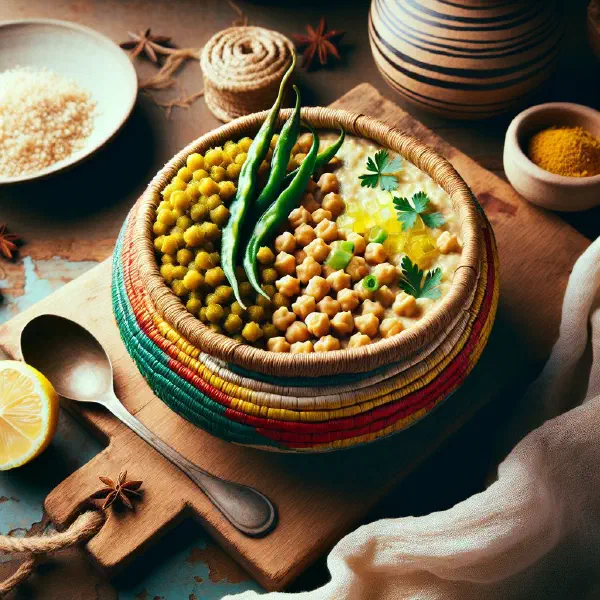
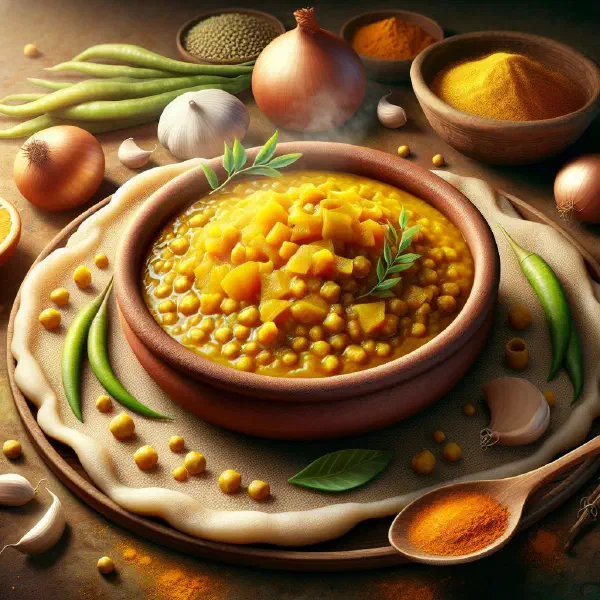
The presentation of your Shiro Wat can lift the meal considerably. Serve the dish traditionally on injera, where the flatbread acts as an edible base. Place a few fresh herbs or a couple of slices of avocado alongside to create a beautiful contrast. Use a stylish bowl or platter to present the dish attractively, and pair it with a bright Doro Wat for a generous spread.
A bit of history
Shiro Wat has a long tradition in Ethiopian cuisine and is often served on festive occasions. The use of pulses symbolises the culture of Ethiopian eating, which is built on nutritional richness and seasonality. The roots of the dish lie with the rural population of Ethiopia, who valued preparing simple, nourishing meals. Today Shiro Wat is an essential part of Ethiopian cuisine and enjoys great popularity around the world.
More recipe ideas
Summary: Shiro Wat
In summary, Shiro Wat is a delicious and nourishing Ethiopian stew that is simple to prepare and ideally suited to vegetarians and vegans. Thanks to its ground chickpeas and aromatic spices, this dish is a feast for the senses and a journey of flavour you should not miss. Whether as a main course or as part of a larger Ethiopian banquet, Shiro Wat is the perfect choice. Give it a try, and savour the unique aromas of Ethiopia.