National Dish Fiji: Boiled Taro Leaves (Recipe)
In this article
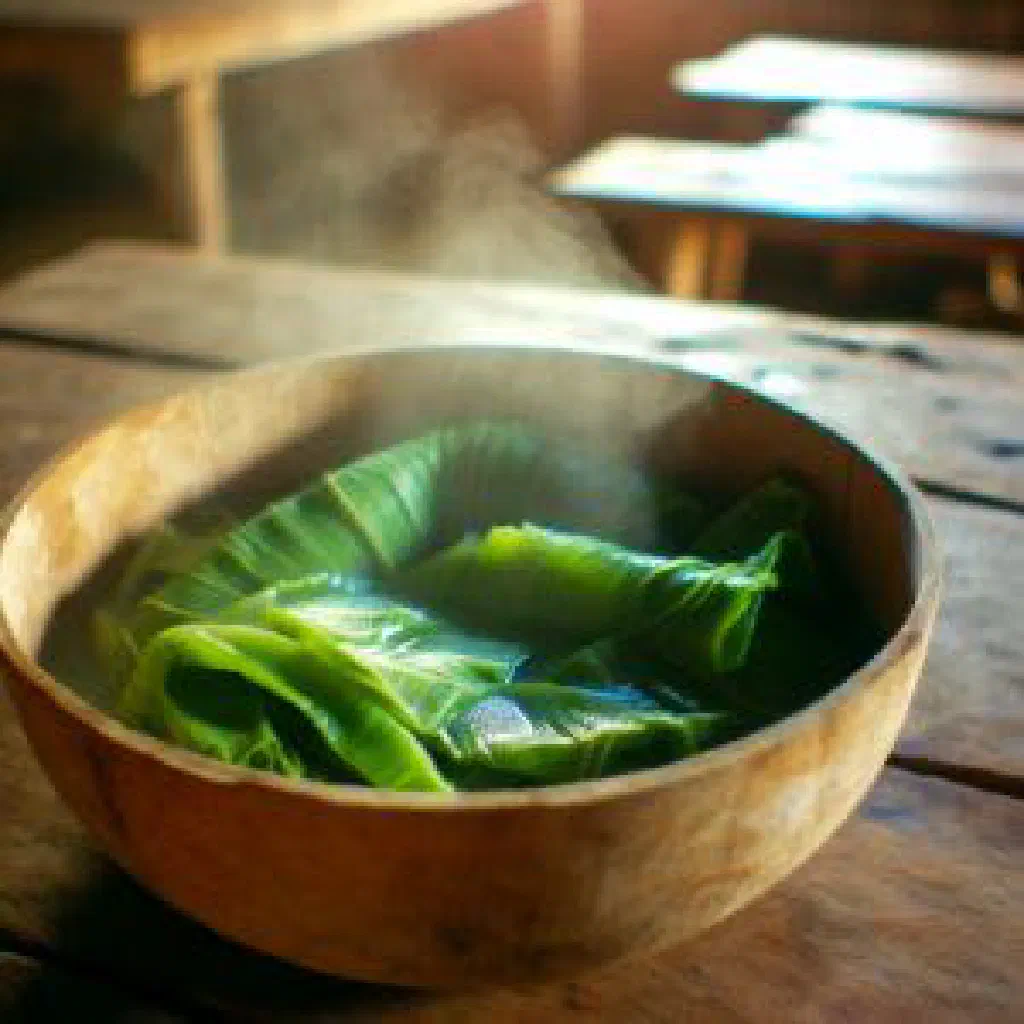
Discover Boiled Taro Leaves, one of Fiji’s most cherished island dishes. Tender, leafy greens are gently simmered in rich coconut milk until they turn silky and full of flavour, with a gentle bitterness that balances beautifully against the creamy sauce. Wholesome, nourishing and deeply rooted in tradition, this is the kind of comforting plate that brings the warmth of the South Pacific straight to your own kitchen.
About Boiled Taro Leaves
Boiled Taro Leaves are a much-loved dish in Fiji, prized for their distinctive taste and for their nourishing qualities. The tender leaves of the taro plant have long been a cornerstone of the local kitchen and feature in all sorts of traditional dishes. What makes this version so special is the pairing of creamy coconut milk with the slightly bitter greens, two elements that harmonise perfectly. It is a dish that blends tradition and good health in equal measure, making it a must for anyone who loves real island cooking.
Ingredients (serves 1–2)
- 200 g fresh taro leaves
- 200 ml coconut milk
- 1 onion, finely chopped
- 1 garlic clove, crushed
- 1 teaspoon grated ginger
- Salt to taste
- Pepper to taste
- 2 tablespoons lime juice
Shopping for the ingredients
The first step towards a great plate of boiled taro leaves is sourcing the right ingredients. Fresh taro leaves are often found in Asian grocers or at tropical-produce stalls. If you cannot track them down, ask after taro roots, as many markets stock the roots even when the leaves are scarce. Make sure your coconut milk is of good quality to guarantee that full, rounded flavour, and choose ripe limes for a bright finish. The same fresh greens are a star of Fijian Rourou Soup.
Preparing the dish
Preparing boiled taro leaves is a crucial step in getting the best aroma and the ideal texture. Begin by rinsing the leaves thoroughly to remove any grit or insects. Next, strip out the thick stems, as they are tough and unpleasant to eat. Finally, tear or chop the leaves into small, manageable pieces so they cook evenly and gently throughout.
Step-by-step instructions
- Heat a little oil in a large pot and sauté the chopped onion until translucent.
- Add the crushed garlic and grated ginger, frying briefly to release their aroma.
- Tip in the prepared taro leaves and stir well to coat them.
- Pour in the coconut milk and bring everything to the boil.
- Season to taste with salt, pepper and lime juice.
- Reduce the heat and let the dish simmer for about 30 minutes, until the leaves are meltingly tender.
Gluten-free / lactose-free version
Boiled taro leaves are naturally gluten-free and contain no lactose, as long as you make sure the coconut milk you use has no added ingredients. Anyone following a gluten-free or lactose-free diet can enjoy this dish without a second thought. It is an excellent option for people with intolerances, since the ingredients are entirely natural. As long as you check the label on your coconut milk, you can prepare it with complete peace of mind.
Tips for vegans and vegetarians
Boiled taro leaves make a wonderful dish for vegans and vegetarians, as they rely on purely plant-based ingredients. There are countless variations where you can add extra vegetables or pulses to boost the nutritional value. Remember that you can also stir in spices such as curry powder or turmeric to give the dish an extra dimension of flavour. The result is an exciting, versatile meal that is both filling and good for you.
More tips and tricks
To make your boiled taro leaves even tastier, think about pairing them with the right drinks. A fresh pineapple juice or a homemade ginger lemonade complements the flavours beautifully. Try scattering a few fresh herbs such as coriander or parsley over the finished dish for an extra burst of freshness. Finally, serve it in bowls garnished with colourful vegetables to make the whole plate even more inviting.
Adapting the recipe to your taste
Boiled taro leaves lend themselves wonderfully to personal tweaks. If you like a bit of heat, add finely chopped chillies to give the dish more bite. For a sweeter take, stir a little brown sugar or honey into the coconut milk to create an intriguing flavour profile. Let your imagination run free and experiment with different combinations until you find the perfect balance for your palate.
Ingredient substitutions
If you cannot find taro leaves, spinach or chard make excellent alternatives that also work well with coconut milk. While these greens will not taste exactly like taro, they still bring plenty of nutrients and a delicious base for the dish, much like the leafy greens that shine in Stir Fried Bele Leaves. Instead of the usual coconut milk you could also use almond or oat milk, though the flavour will be a touch less intense. Feel free to try different ingredients until you find your own favourite.
Drink pairing ideas
Boiled taro leaves go wonderfully with a range of refreshing drinks. A glass of fresh fruit juice, such as pineapple or Mango Juice, rounds the dish off perfectly. If you prefer something alcoholic, a light white wine or a fresh mojito makes a fine companion. These drinks bring colour to the table and complete the whole flavour experience.
Serving and presentation ideas
An attractive presentation can lift the experience of boiled taro leaves even further. Serve the dish in deep bowls and garnish generously with fresh herbs and lime wedges. Using colourful vegetables as decoration adds both visual appeal and extra nutrients. Be sure to serve the food warm to bring out the best flavour and the ideal, silky consistency.
A bit of history
The story of boiled taro leaves reaches far back and is closely bound up with the culture and traditions of the Fijian people. The taro plant is held in high regard as a vital food source and plays a part in many celebrations and ceremonies. Preparing and sharing this dish is a symbol of community and togetherness. It is served on countless occasions, which underlines its special place in local life and in Fijian cuisine.
More recipe ideas
- Palusami
- Roro Soup
- Boiled Green Banana With Coconut Milk
- Roasted Taro With Coconut Cream
- Fresh Taro Leaf Salad
Summary: Boiled Taro Leaves
Boiled taro leaves are a unique and delicious dish from Fiji, distinguished by their wholesome ingredients and delicate flavour. With a combination of fresh taro leaves, aromatic coconut milk and warming spices, you get a dish that is both traditional and endlessly adaptable. This recipe offers plenty of ways to suit your own preferences. If you are searching for an exciting new dish to try, boiled taro leaves absolutely deserve a place on your table.