National Dish Fiji: Coconut and Cassava Flatbread (Recipe)
In this article
Discover coconut and cassava flatbread, a wonderfully simple bread that captures the sun-soaked flavours of the South Pacific. Pairing the gentle sweetness of fresh coconut with the hearty, earthy texture of cassava, it makes a satisfying snack or a versatile side. Naturally gluten-free and vegan, it is the kind of unfussy, feel-good cooking that brings a taste of island life straight to your kitchen.
About Coconut and Cassava Flatbread
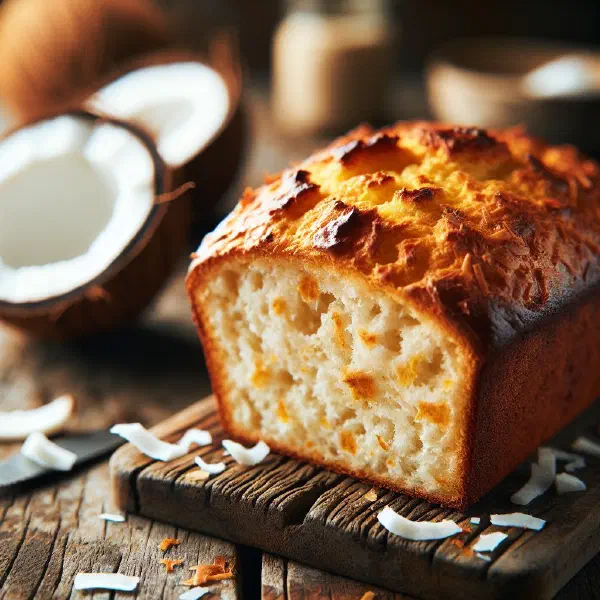
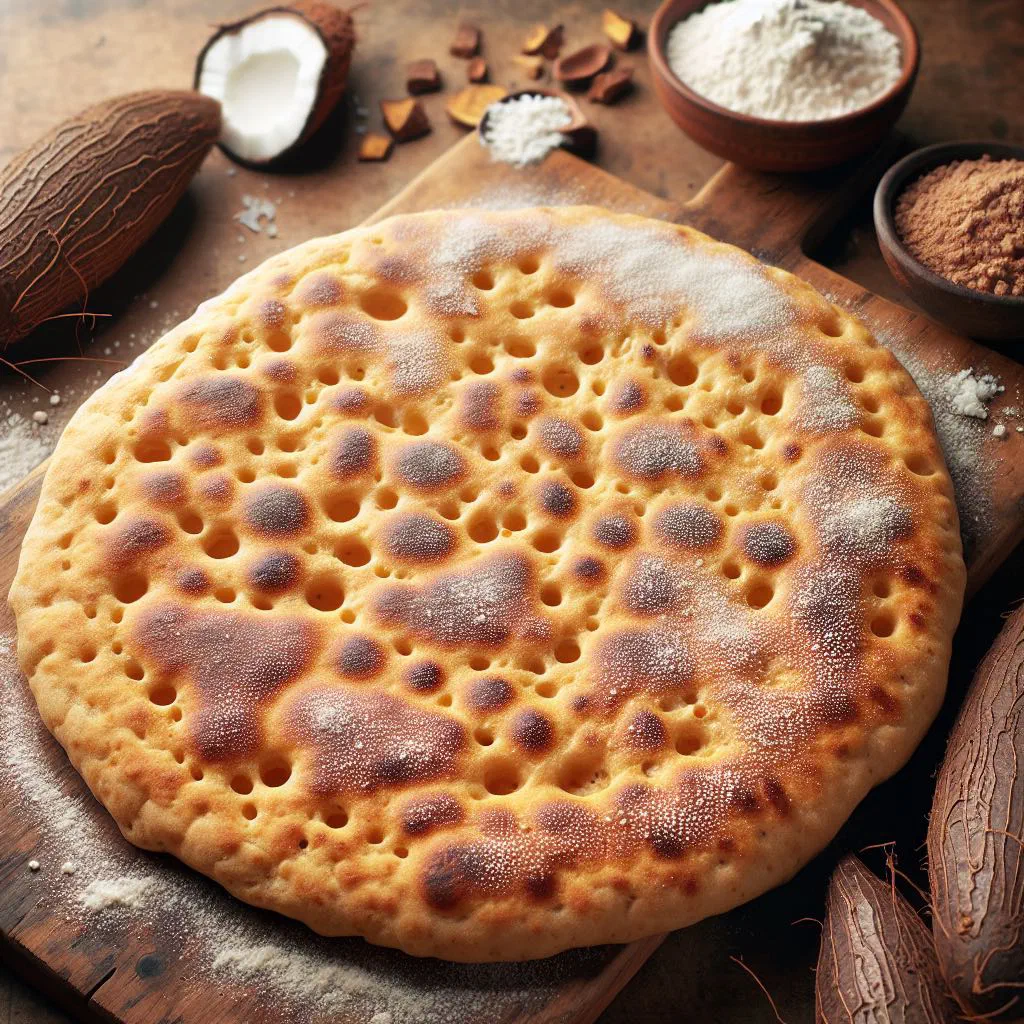
Coconut and cassava flatbread is a distinctive dish that beautifully captures the flavours of Fiji’s tropical islands. It combines the sweetness of fresh coconut with the satisfying, slightly chewy texture of cassava, creating a flavour experience all of its own. It is often served as a side alongside other dishes or simply enjoyed as a tasty snack. The preparation is straightforward and lets you bring a piece of Fijian culture right into your own home.
Ingredients (serves 1–2)
- 1 cup fresh coconut, grated
- 1 cup cassava, grated
- 1/2 cup water
- 1 pinch of salt
- Optional: 1 tablespoon sugar for a sweeter version
Shopping for the ingredients
Shopping for coconut and cassava flatbread is easy once you know the right places to look. Asian or international grocery shops often stock fresh coconut and cassava. Alternatively, you can buy frozen or dried versions, which work just as well for the flatbread. It is worth checking the quality of your ingredients to get the best possible flavour, much as you would for a comforting bowl of Cassava Porridge.
Preparing the dish
To get your coconut and cassava flatbread just right, a few preparation steps are needed. First, grate the coconut, which is easiest with a special grater or a food processor. The cassava also needs to be grated before use to achieve the correct texture. Make sure all the ingredients are fresh and of good quality so the full aroma can come through.
Step-by-step instructions
- Combine the grated coconut and cassava in a large bowl.
- Add the water and the pinch of salt. If you like, add a little sugar for a sweeter note.
- Mix everything thoroughly until you have an even, cohesive dough.
- Divide the dough into small portions and shape them into flat rounds.
- Heat a frying pan and cook the flatbreads over medium heat until golden brown, about 4–5 minutes per side.
Gluten-free / lactose-free version
One of the great advantages of coconut and cassava flatbread is that it is naturally gluten-free and lactose-free. Since the main ingredients are cassava and coconut, neither of which contains gluten proteins, the recipe is ideal for anyone with a gluten intolerance or lactose intolerance. You can enjoy the flatbread without worry, as it contains no animal products that might bring lactose into the mix.
Tips for vegans and vegetarians
Coconut and cassava flatbread is naturally vegan, which makes it a great choice for anyone who prefers a plant-based diet. To add even more variety, you can work different herbs or spices into the dough. Chillies, garlic or fresh parsley can lend the flatbread extra flavour. It also makes a wonderful side for vegan dishes or a handy snack between meals, in much the same way as crisp Fried Cassava Wedges.
More tips and tricks
To make your coconut and cassava flatbread even tastier, try out different cooking methods. The flatbread can be baked in the oven, for example, to give it an extra-crisp finish. Scattering the rounds with sesame seeds or pumpkin seeds before cooking adds further texture and flavour. Experiment with different fillings or dips to adapt the dish to your own preferences.
Adapting the recipe to your taste
Coconut and cassava flatbread is easy to tailor to personal preference. For a sweeter version, add more sugar or serve the flatbread with sweet spreads. If you prefer it savoury, you can fold in various spices to give the bread a distinctive edge. Discover the combinations you enjoy most and let your creativity run free.
Ingredient substitutions
If you do not have fresh coconut to hand, you can use desiccated coconut or coconut milk to keep the flavour. Cassava can be replaced with sweet potato, which gives the dish a different taste. Just take care to adjust the texture and consistency to suit the ingredients so you get the best out of the recipe. Be creative and try different combinations to develop your own variations, perhaps drawing inspiration from a rustic Sweet Cassava Bread.
Drink pairing ideas
A range of drinks pairs well with coconut and cassava flatbread, drawing out its tropical flavours. A fruity smoothie made from pineapple or mango would be a refreshing companion, as would a glass of Coconut Water or simple chilled water with lime. Experiment with different drinks and find the combinations you enjoy the most.
Serving and presentation ideas
Presentation plays an important part when it comes to coconut and cassava flatbread. Serve the rounds on an attractive plate and garnish with fresh herbs or a sprinkle of grated coconut. Alongside, you can set out small bowls of different dips to make the dish more inviting. A thoughtful presentation lifts the whole eating experience and makes the meal even more appealing.
A bit of history
Coconut and cassava flatbread has its roots in the traditional cuisine of Fiji, where coconut and cassava count among the staple foods. These ingredients have been important parts of the local diet for centuries. Making the flatbread was often a communal affair, with family and friends coming together to prepare the bread. Thanks to its simple preparation and many uses, this dish has earned a lasting place in the hearts of Fijians and travellers alike, much like the wider repertoire of Fijian cuisine.
More recipe ideas
- Coconut Cassava
- Coconut Bread
- Cassava And Coconut Cake
- Coconut Pancakes
- Boiled Cassava With Coconut Cream
Summary: Coconut and Cassava Flatbread
Coconut and cassava flatbread is delicious and wonderfully easy to make, bringing the flavours of Fiji into any home. The savoury and sweet notes harmonise perfectly, making it an ideal side or snack. With a few creative variations and fresh ingredients, you can adapt the recipe to your own taste and bring a piece of Fijian culture to the table. Explore the variety of ingredients and savour the delicious possibilities this traditional dish has to offer.