National Dish Fiji: Coconut Custard (Recipe)
In this article
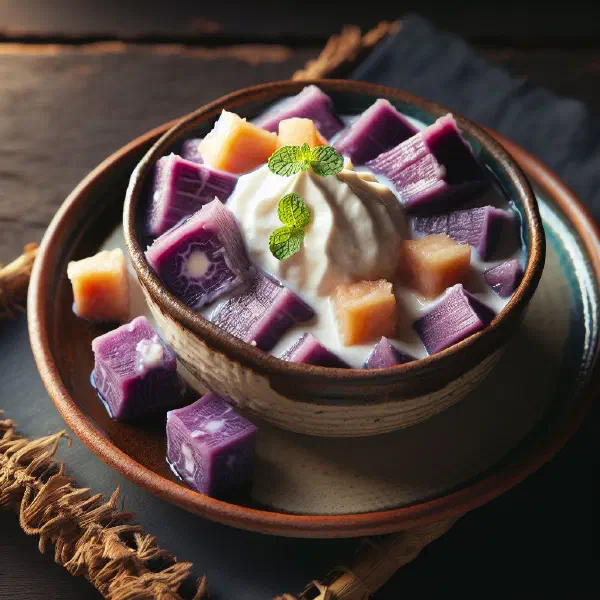
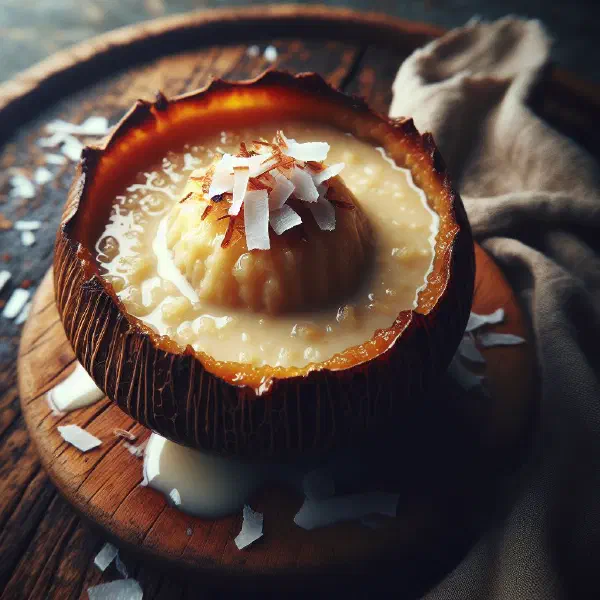
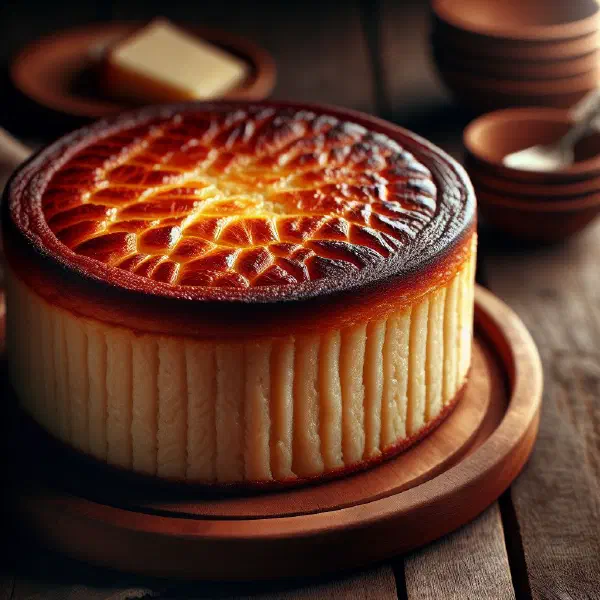
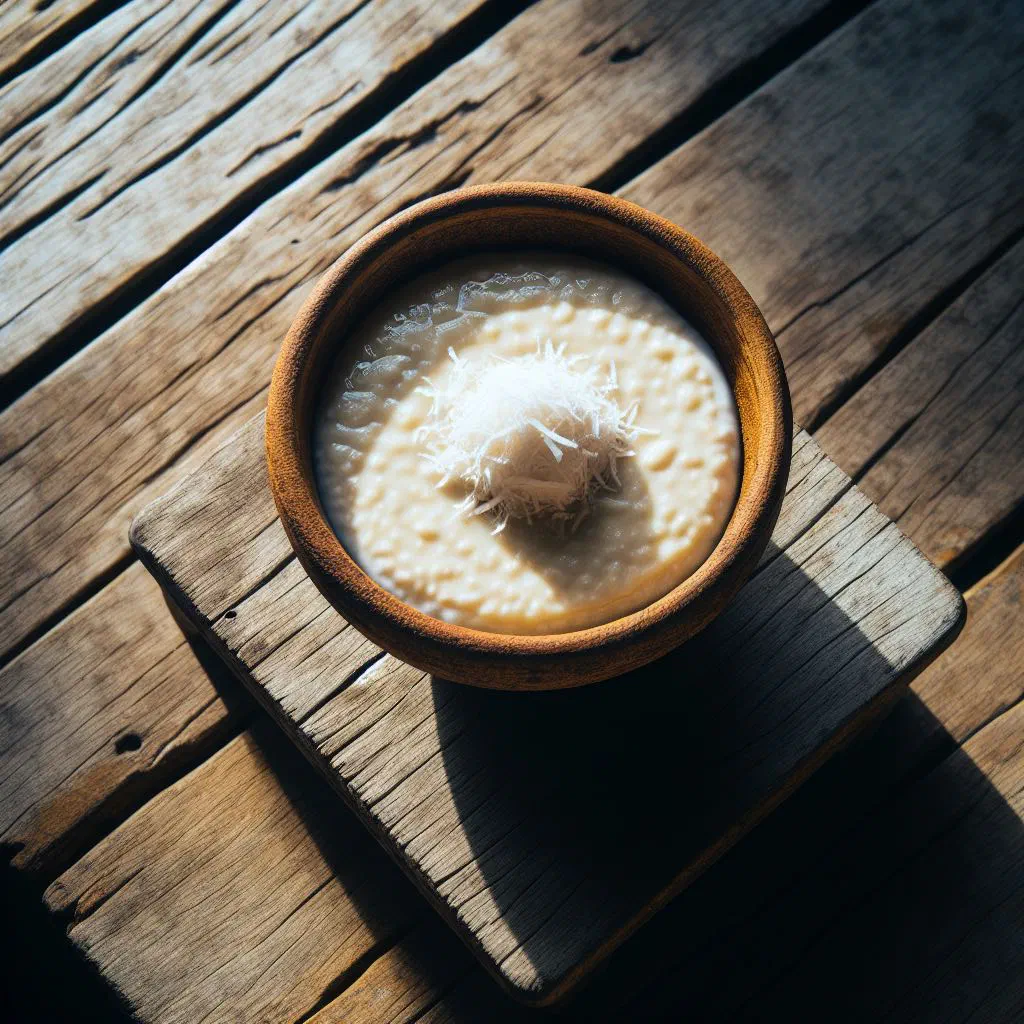
Say hello to Coconut Custard, a silky tropical pudding that captures the laid-back flavours of the South Pacific in a single spoonful. Built around rich coconut milk and warm vanilla, it is wonderfully simple to make yet feels like a real treat. Crowned with a scatter of fresh fruit, this Fijian classic is just the thing for rounding off a meal or for a relaxed sweet moment whenever the mood strikes.
About Coconut Custard
Fiji’s Coconut Custard is more than a traditional favourite. It is a creamy, comforting dessert that perfectly captures the aromas of the Pacific. Its foundation is fresh coconut, which lends the dish a rich and fragrant character. Alongside the coconut, a handful of fresh fruit and gentle spices turn the custard into a taste experience that appeals to every palate. Whether it crowns a special meal or simply makes for a delicious snack, coconut custard is always a good choice.
Ingredients (serves 1–2)
- 200 ml coconut milk
- 2 tablespoons sugar
- 1 sachet vanilla sugar
- 40 g tapioca starch or rice starch
- 1 pinch of salt
- Fresh fruit of your choice, to decorate
Shopping for the ingredients
The ingredients for coconut custard are available in most supermarkets, and a few of them you may also find in Asian grocery shops. Be sure to choose good-quality coconut milk, as this is what gives the custard its especially creamy texture. Fresh fruit matters too, since it is important not just for decoration but also for the overall balance of flavour. If you want to make a gluten-free or vegan version, double-check that the starches and sweeteners you buy meet those criteria.
Preparing the dish
Before you begin, it pays to have all your ingredients ready and to wash and prepare the fresh fruit in advance. This makes the whole process quicker and easier. If you would like to use freshly grated coconut, you can prepare it however you prefer. Remember to set out all your utensils and equipment so everything runs smoothly from start to finish.
Step-by-step instructions
- In a small saucepan, combine the coconut milk, sugar, vanilla sugar and a pinch of salt.
- Bring to the boil over medium heat, stirring regularly so the mixture does not catch.
- Dissolve the tapioca starch in a little cold water, then add it to the boiling mixture.
- Let the custard simmer for about 5–10 minutes, stirring constantly, until it thickens.
- Spoon the coconut custard into bowls and leave to cool.
- Decorate with fresh fruit just before serving.
Gluten-free / lactose-free version
Coconut custard is wonderfully easy to make gluten-free and lactose-free. For the thickening, use tapioca starch or rice starch, as both are naturally gluten-free. Coconut milk is naturally lactose-free, so you can reach for it without any concern. When buying the remaining ingredients, just check that they too are gluten- and lactose-free, so the dish is suitable for everyone at the table.
Tips for vegans and vegetarians
For vegans, coconut custard is an excellent choice, since all the ingredients are plant-based. You can swap the sugar for another sweetener, such as agave syrup or coconut blossom sugar. Using fresh fruit to decorate keeps the dessert light and wholesome too. Think about how you might combine the custard with other plant-based ingredients to add even more flavour and nutrients. For a creamy chilled alternative in the same spirit, try a Vanilla Coconut Pudding.
More tips and tricks
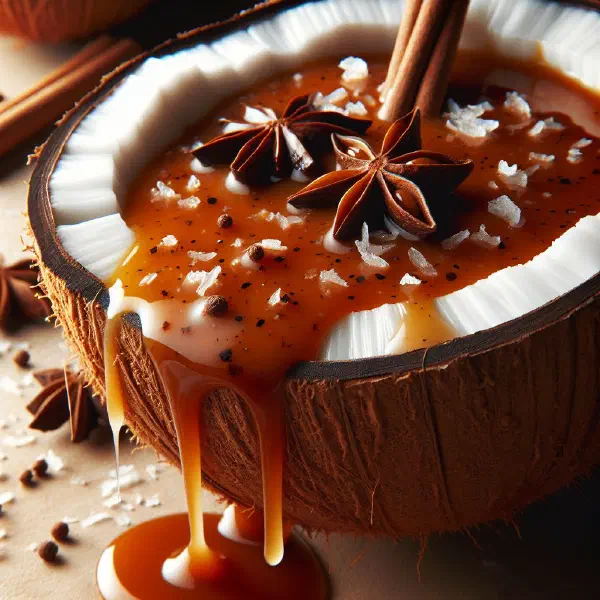
To deepen the flavour of the custard even further, add extra spices such as cinnamon or cardamom. These harmonise beautifully with coconut milk and give the dessert a special note. A squeeze of lemon juice can help freshen the flavour, while a mix of different fruits keeps things varied. Experiment with various toppings to create your own signature dessert.
Adapting the recipe to your taste
The basic coconut custard recipe is easy to tailor to your own preferences. If you like things sweeter, increase the amount of sugar or try other sweeteners. For a more intense coconut flavour, add toasted coconut flakes or desiccated coconut. Just be sure to adjust the amount of liquid accordingly to keep the consistency right.
Ingredient substitutions
There are several alternatives you can use when making coconut custard. Instead of regular sugar, try coconut sugar or maple syrup for a different flavour note. The starches can be varied too, cornflour works well in this custard. These swaps open up new flavours and can be especially useful in a vegan or gluten-free diet. The same tapioca that thickens this dessert also stars in a classic Tapioca Pudding.
Drink pairing ideas
Coconut custard pairs beautifully with a range of drinks. Coconut water or a freshly pressed fruit juice are ideal for underlining the exotic flavours. For a soothing finish, a cup of herbal tea or a fruity iced tea makes a perfect match. A glass of dry white wine can also round off the custard’s subtle notes wonderfully.
Serving and presentation ideas
Presentation can make all the difference in how appetising a dish appears. Spoon the coconut custard into pretty dessert glasses or bowls and decorate with fresh fruit and herbs such as mint. A sprinkle of toasted coconut flakes on top adds both flavour and visual contrast. An artful drizzle of honey or syrup over the custard can refine the whole thing even further.
A bit of history
Coconut custard has its origins in the tropical regions where coconuts grow in abundance. In Fiji this pudding is a firm part of the Fijian cuisine, reflecting the culture and traditions of the islanders. The pairing of coconut with other fresh, local ingredients shows a love of nature and wholesome eating. The dish is often served at festivals and celebrations, and over the years it has become a symbol of hospitality.
More recipe ideas
- Coconut Tapioca Pudding
- Sago Pudding With Coconut Cream
- Mango And Coconut Tapioca Pudding
- Fresh Mango And Coconut Dessert
- Caramelized Banana With Coconut
Summary: Coconut Custard
Fiji’s coconut custard is a superb example of the exotic and varied cuisine of the Pacific. Made with simple, natural ingredients, this dessert is easy to prepare and endlessly adaptable. Whether gluten-free, lactose-free, vegan or vegetarian, everyone can enjoy this delicious recipe. Let the flavours and the story of this dish inspire you, and turn your next meal into a tropical escape.