National Dish Fiji: Fijian Rourou Soup (Recipe)
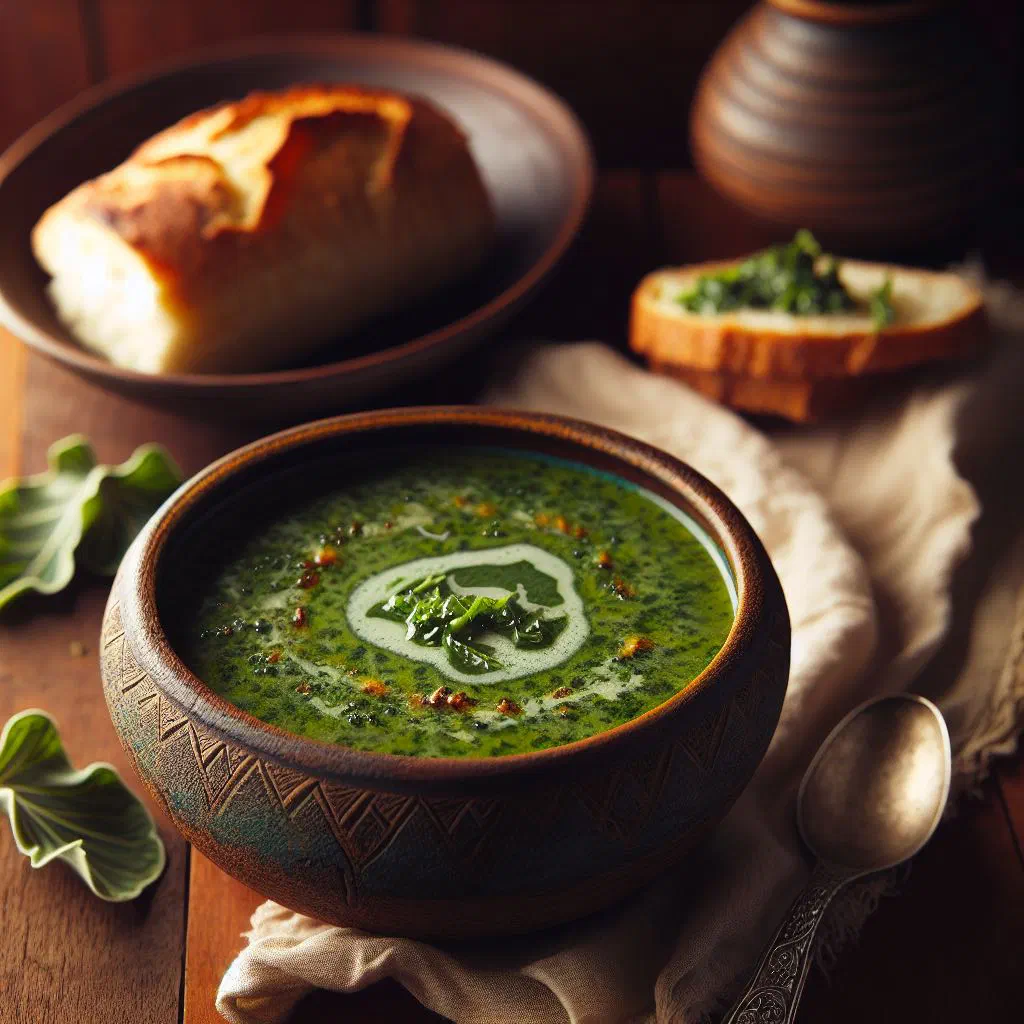
In this article
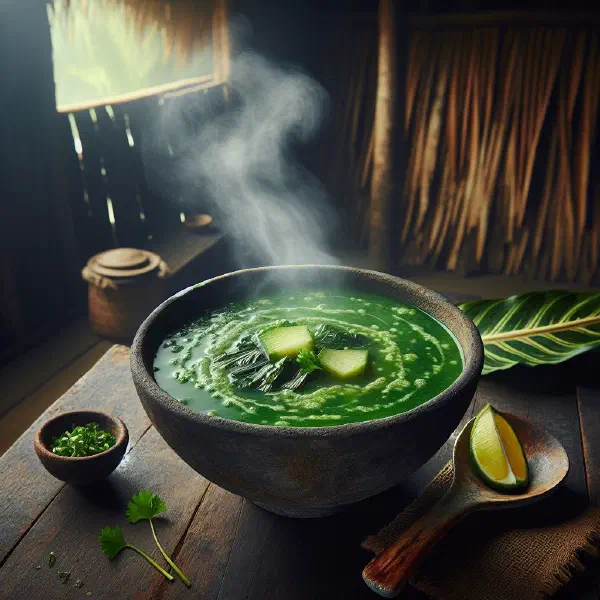
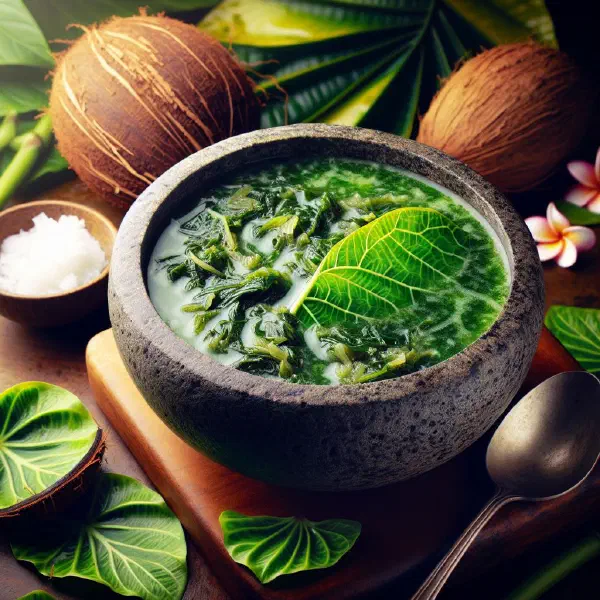
Say bula to Rourou Soup, a comforting bowlful that captures the gentle, tropical heart of Fijian cooking. Built around tender taro leaves simmered in rich coconut milk, it is wholesome, deeply nourishing and surprisingly simple to make. The warm aromas of onion, garlic and ginger turn a handful of humble ingredients into something special, bringing a taste of the South Pacific straight to your kitchen.
About Fijian Rourou Soup
Rourou Soup is a much-loved dish from the islands of Fiji, prized for its flavour and for how nourishing it is. Its star ingredient, the taro leaf, grows widely across the region and turns up in all sorts of local dishes. The pairing of fresh produce with fragrant aromatics creates an uniquely satisfying eating experience that wins over locals and visitors alike. Enjoy rourou soup as part of a sociable gathering or as a delicious light meal that carries the tropical spirit of the South Seas.
Ingredients (serves 1–2)
- 300g fresh taro leaves
- 400ml coconut milk
- 1 onion, chopped
- 2 cloves garlic, chopped
- 1 piece of ginger, grated
- Salt and pepper to taste
- 1 tablespoon oil (coconut oil works well)
- Chilli for a little heat (optional)
Shopping for the ingredients
When shopping for rourou soup, it is well worth choosing high-quality, fresh produce. Look for the taro leaves at local Asian markets or organic grocers to be sure they are at their freshest. The coconut milk should be good quality too, as it gives the soup its creamy, rich character. Don’t forget to add the necessary spices and onions to your shopping list as well.
Preparing the dish
Preparing rourou soup is quick and straightforward. Begin by washing the taro leaves thoroughly and roughly chopping them. The onion, garlic and ginger also need to be made ready. You can whizz these aromatics in a food processor to speed things up, or chop them by hand for more control over the final texture of the soup.
Step-by-step instructions
- Heat the oil in a large pan over medium heat and add the chopped onion, garlic and ginger. Fry until the onion turns translucent.
- Add the chopped taro leaves and cook for 2–3 minutes, until they have wilted down a little.
- Pour in the coconut milk and bring the soup to the boil. Reduce the heat and let it simmer gently for 10 minutes.
- Season with salt, pepper and optional chilli, then serve the soup hot.
Gluten-free / lactose-free version
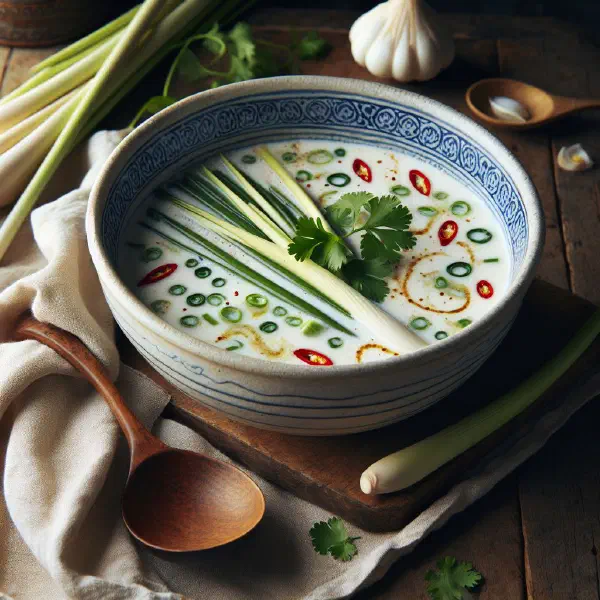
Rourou soup is naturally gluten-free and lactose-free, as it is made entirely from fresh plant-based ingredients. The coconut milk is a wonderful alternative to dairy, so anyone with a related intolerance can enjoy this dish without worry. Just take care when buying your ingredients to check for any added extras that might contain gluten or lactose, much as you would when making a Coconut and Lemongrass Soup.
Tips for vegans and vegetarians
Rourou soup is a perfect dish for vegans and vegetarians, as it contains no animal products at all. To make the soup especially nutritious, you could add extra vegetables such as carrots or spinach. These bring more colour and additional vitamins to your bowl. Feel free to experiment with different herbs to deepen the flavours even further.
More tips and tricks
One more tip for making rourou soup is to let it simmer a little longer so the flavours have time to develop fully. You can also add other spices such as turmeric or cumin to lend a personal touch. If you prefer a thicker consistency, blend the soup briefly with a stick blender once it has finished cooking. Use these variations to find the perfect version of rourou soup for your taste.
Adapting the recipe to your taste
Everyone has their own preferences when it comes to food, and rourou soup offers plenty of room to adapt. Add more vegetables or vary the spices to suit your personal taste. You could also stir in protein sources such as tofu or beans to make the soup more substantial.
Ingredient substitutions
If you can’t find taro leaves, you can use spinach or chard instead. These are easy to come by and offer similar flavours, the same leafy greens that work beautifully in a Fresh Taro Leaf Salad. For the coconut milk, unsweetened almond or oat milk can be used if needed. It is also worth looking at the various vegetable stocks available in your supermarket to make the base of the soup even tastier.
Drink pairing ideas
To round off rourou soup perfectly, light and refreshing drinks are the way to go. A chilled mango juice or a fruity cocktail of pineapple and coconut make ideal companions. Alternatively, coconut water or a mint tea offer a healthy way to refresh the palate. These drinks harmonise beautifully with the tropical flavours of the soup.
Serving and presentation ideas
An appealing presentation can give your rourou soup that little extra something. Serve it in attractive bowls and garnish with fresh herbs such as coriander or parsley. A squeeze of lime juice adds not just more flavour but a touch of colour too. Use brightly coloured napkins and crockery to underline the tropical ambience of Fiji.
A bit of history
Rourou soup has its origins in the traditional cooking of Fiji, where it is often served at celebrations and special occasions. The use of taro leaves reflects the close bond with nature and the respect Fijians have for their resources. The history and culture of the Fiji Islands are tightly woven into this delicious soup, and its preparation has been passed down from one generation to the next. By cooking this dish, you take part in a piece of that rich cultural tradition, much like the time-honoured fare of Fijian cuisine.
More recipe ideas
Summary: Fijian Rourou Soup
Rourou soup is a remarkable dish that celebrates the flavours and ingredients of Fiji. It brings together nutrient-rich taro leaves and creamy coconut milk in one delicious soup. The preparation is simple and offers plenty of scope for adaptation to suit your personal taste. Enjoy rourou soup as part of your next sociable gathering and let the culture of Fiji sweep you away.