National Dish Fiji: Fried Taro (Recipe)
In this article
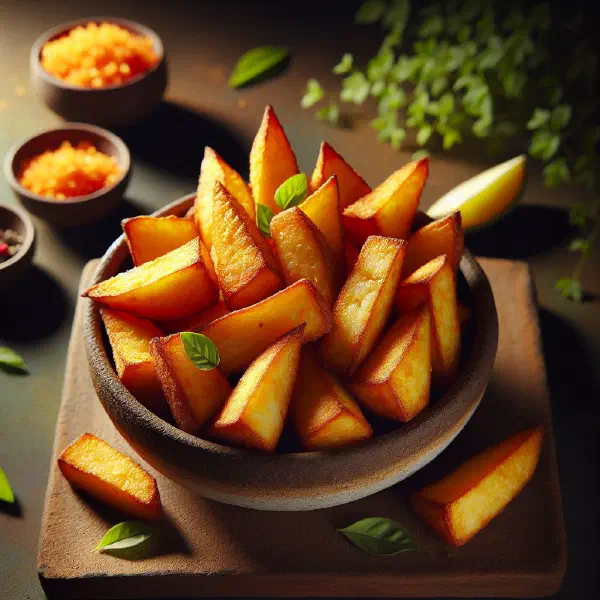
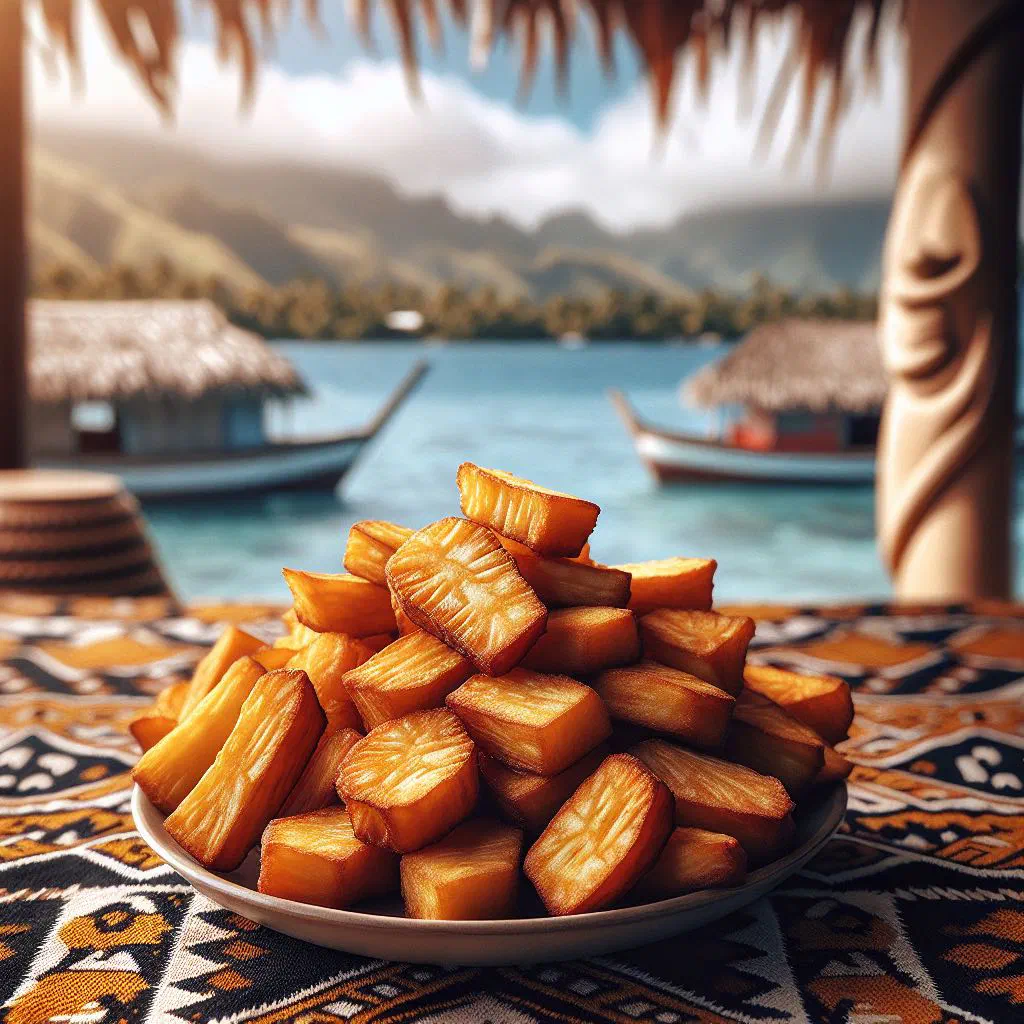
Say bula to Fried Taro, a crisp little bite that captures the easygoing flavours of the South Pacific. Starchy taro is boiled until tender, mashed with a simple batter and fried to a deep golden crunch, giving you crackly edges and a soft, savoury middle. It is the kind of moreish snack that disappears in minutes, whether you serve it with a tangy dip or pile it up as a side. Bring a little island holiday feeling straight into your own kitchen.
About Fried Taro
Fried Taro is a genuine speciality of Fiji, a dish that bottles the warmth and flavour of the Pacific. Taro is a starchy root vegetable that sits right at the heart of Fijian cooking, and here it is turned into something very good. The contrast between a crisp, golden outer layer and a soft, well-seasoned centre makes it a perfect snack or a generous main. In Fiji it is often served alongside a range of dips and sauces that lift the flavour even further, and it pairs beautifully with other island favourites such as Boiled Taro Leaves.
Ingredients (serves 1–2)
- 2 large taro roots
- 150 g flour (wheat or gluten-free)
- 1 teaspoon baking powder
- 1 teaspoon salt
- Water (for the batter)
- Oil, for frying
- Spices of your choice (e.g. pepper, paprika)
Shopping for the ingredients
To make the best Fried Taro, it pays to choose the freshest ingredients you can find. Taro is widely available in Asian and international grocery shops, often in organic quality too. The flour is entirely up to you, for a gluten-free version, rice flour or cornflour works wonderfully. Spices can be adjusted to suit your taste and mood, so feel free to build your own blend before you start.
Preparing the dish
Before you begin cooking, give the taro roots a thorough peel and cut them into small pieces. Drop these into boiling water and simmer for around 10–15 minutes, until they are soft right through. Once drained, let the pieces cool properly before you carry on, handling them warm will make the mixture sticky. A lightly oiled work surface helps you shape the mash evenly into neat little balls ready for frying.
Step-by-step instructions
- Mash the pre-cooked taro pieces in a bowl using a fork.
- Add the flour, baking powder, salt and spices, then mix well.
- Slowly pour in water until you have a mouldable mixture.
- Shape the mixture into small balls.
- Heat the oil in a large, deep pan.
- Carefully lower the balls into the hot oil and fry until golden brown.
- Drain the finished fried taro on kitchen paper and serve warm.
Gluten-free / lactose-free version
For anyone with a gluten intolerance there are plenty of gluten-free flour alternatives that work brilliantly in this recipe. Rice flour or a ready-made gluten-free flour blend are both excellent choices. Lactose is easy to avoid too, as the recipe contains no dairy at all. For an extra burst of South Pacific freshness, you can swap the water for coconut milk, a trick that also features in this Boiled Cassava with Coconut Cream.
Tips for vegans and vegetarians
Fried Taro is an outstanding choice for vegans and vegetarians, as it contains no animal products whatsoever. To make the dish even more substantial, stir in vegetables or pulses of your choice along with the taro mash. Fresh herbs such as coriander or parsley add colour and a fresh lift to the flavour. The combination is healthy and absolutely delicious.
More tips and tricks
When frying, keeping an eye on the oil temperature is essential. Oil that is too cool makes the balls greasy, while oil that is too hot scorches the outside before the centre is done. A kitchen thermometer makes it easy to hold the ideal range of 170–180°C. It is also wise to fry the balls in small batches, which keeps the temperature steady and ensures even, all-round cooking.
Adapting the recipe to your taste
The great thing about this recipe is its flexibility; you can easily change the filling by adding cheese, chopped nuts or spice pastes. These little tweaks invite a creative approach and let you weave in your own personal taste. The fried balls also adapt readily to different eating habits, which gives them broad appeal. Look forward to experimenting with all sorts of ingredients to create a version that is entirely your own.
Ingredient substitutions
If taro is not available, other starchy vegetables such as sweet potato or pumpkin make excellent stand-ins. These alternatives bring a wonderfully sweet, aromatic note to the dish, much like the comforting Cassava and Banana Fritters. The flour can also be replaced with other types such as chickpea or almond flour to add extra nutrients. That way you stay flexible and can tailor the dish to suit every palate.
Drink pairing ideas
To round off your Fried Taro perfectly, refreshing drinks such as a tropical fruit juice or a cool glass of coconut water pair wonderfully. A light, fruity wine can also be a fitting companion. For grown-up gatherings, a refreshing cocktail of rum and pineapple heightens that South Pacific atmosphere beautifully. Light, zingy drinks like Pineapple Juice really bring out the flavours of the dish.
Serving and presentation ideas
To present your fried taro attractively, arrange the balls on a large plate and garnish with fresh herbs. Small bowls of different dips add a splash of colour and make the meal more interactive. Serve the dish with a little lime or lemon juice drizzled over the top to intensify the flavours. A bright mix of vegetables on the side gives the whole spread a fresh, inviting touch.
A bit of history
The origins of Fried Taro reach back into the traditions of Fiji’s indigenous peoples, who have cultivated taro for thousands of years. The dish reflects the cultural richness and culinary creativity of the region. Fijian cuisine is renowned for its use of fresh, local ingredients, and Fried Taro is a superb example of that spirit. Historically it was often served at feasts and special occasions, which underlines its importance in Fijian culture and within wider Fiji cuisine.
More recipe ideas
Summary: Fried Taro
In summary, Fried Taro from Fiji is not only a delicious dish but an exceptionally versatile one. Thanks to its fresh ingredients and the scope for personal adjustment, it offers endless variations to suit every taste. Let the paradise spirit of Fiji inspire you and enjoy a little slice of its culture in your own kitchen.