National Dish Fiji: Grilled Taro (Recipe)
In this article
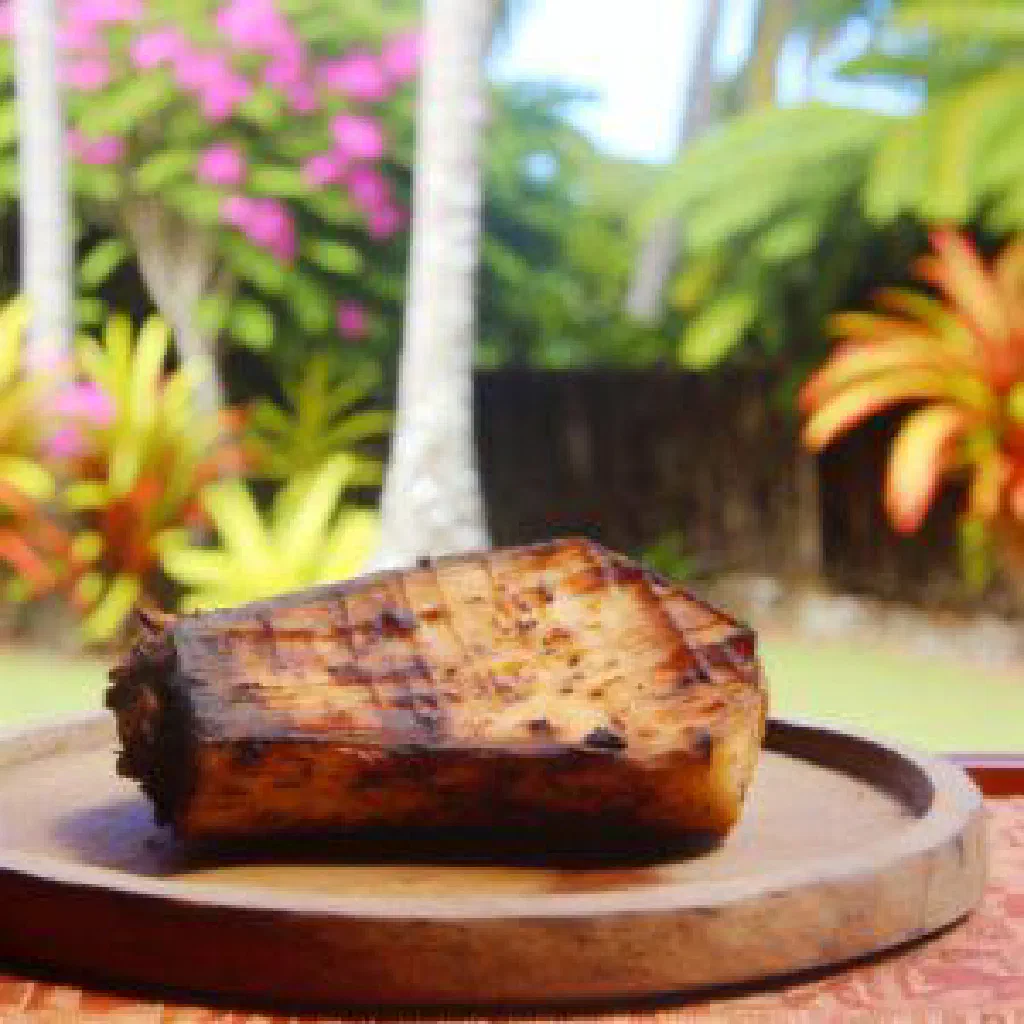
Say hello to Grilled Taro, one of Fiji’s most cherished island staples. This simple dish takes a humble starchy tuber and turns it into something special, coaxing out a gentle smokiness and natural sweetness over the coals. Tender on the inside with lightly charred edges, it is a brilliant side or snack that brings the warmth of the South Pacific to your own garden grill. Easy to prepare and endlessly adaptable, it is comfort food the Fijian way.
About Grilled Taro
Grilled Taro is a traditional dish from Fiji that is a treat for the palate and deeply rooted in island culture. Taro is a starchy tuber found across many tropical regions of the world and is especially prized in Pacific cooking. It is most often prepared by grilling, which lends it a smoky aroma and brings out its natural sweetness. In Fiji this dish is frequently served as a side or a snack, and it remains hugely popular at family gatherings and feasts alike.
Ingredients (serves 1–2)
- 2 medium taro tubers
- Olive oil
- Salt and pepper, to taste
- Fresh green herbs (such as parsley or coriander)
- Lemon juice
Shopping for the ingredients
When shopping for Grilled Taro, it is important to choose fresh taro tubers that feel firm and are free of dark blemishes. You will often find these at Asian or international grocery stores. Be sure to pick up a good-quality olive oil too, as it underlines the flavour of the taro once it comes off the grill. Fresh herbs and lemon juice add a bright finish and are easy to source from the produce aisle.
Preparing the dish
Before you begin cooking Grilled Taro, the tubers need to be washed thoroughly to remove any dirt and rough patches. Next, peel them and cut them into slices roughly the thickness of a finger. These cuts help reduce the cooking time and ensure an even grill. Remember to cover the sliced pieces with water to stop them discolouring until you are ready to cook them.
Step-by-step instructions
- Peel the taro tubers and cut them into even slices.
- In a bowl, marinate the slices with olive oil, salt, pepper and lemon juice.
- Preheat the grill to a medium heat.
- Lay the marinated taro slices on the grill and cook for about 5–7 minutes per side.
- Remove the finished slices from the grill and garnish with fresh herbs.
Gluten-free / lactose-free version
This recipe for Grilled Taro is naturally gluten-free and lactose-free, which makes it a wonderful choice for anyone with intolerances. It is worth checking that no gluten-containing ingredients sneak in when you choose your oils and marinades. Using fresh herbs and lemon juice keeps the dish delicious and healthy. That way, even those with particular dietary needs can enjoy this tasty treat.
Tips for vegans and vegetarians
For vegans and vegetarians, Grilled Taro is a perfect option, as it contains no animal products whatsoever. You can adapt the dish to taste by adding different spices or even a splash of marinated soy sauce for extra depth. Tossing other vegetables onto the grill alongside the taro also makes for a healthy, nourishing addition. The result stays versatile and always offers something new to enjoy. The same plant-based spirit runs through dishes like Grilled Vegetables.
More tips and tricks
To get the most out of your Grilled Taro, make sure the grill is well preheated so the slices do not stick. A grill mat can also help to keep smaller pieces secure and make turning them easier. Alternatively, you can wrap the slices in foil to cook them on the grill, which keeps them especially moist and intensifies the aroma. Little touches like these make all the difference.
Adapting the recipe to your taste
The recipe for Grilled Taro lends itself beautifully to personal preference. Add more spices or a dash of hot sauce, for instance, to give the dish a fiery kick. Experimenting with different marinades such as teriyaki or BBQ can also bring out fresh flavours.
Ingredient substitutions
If you do not have certain ingredients to hand, there are a few alternatives for Grilled Taro. In place of taro tubers, you can use sweet potatoes or pumpkin, both of which deliver lovely results, the same comforting starchiness you will find in a hearty Roasted Garlic And Taro Mash. For the marinade, you might try different oils such as sesame or avocado oil, which lend the dish a character of their own. Adapt the ingredients to what you already have to make the cooking easier.
Drink pairing ideas
A range of drinks pairs wonderfully with Grilled Taro and rounds out its flavour beautifully. A cool glass of Coconut Water or a refreshing pineapple and mint cooler make perfect companions. Non-alcoholic cocktails with lime and ginger can also lift the taste of the taro slices. Try different combinations and find your own favourite pairing.
Serving and presentation ideas
Presentation can be key to that all-important first impression of Grilled Taro. Serve the grilled slices on a nicely arranged plate, garnished with fresh herbs and a few squeezes of lemon juice for a splash of contrast. A pretty finish with edible flowers or a fresh salad completes the picture. This way you appeal to the eye as much as to the palate.
A bit of history
Grilled Taro has a long tradition in the cooking of Fiji and the surrounding islands. The tuber was one of the first foods introduced to the region by Polynesian settlers. Taro is often called the “bread of the tropics” and is prepared in countless variations across Fijian cuisine. Grilling the taro is a popular preparation method that heightens its natural sweetness and gives the dish its unique aroma.
More recipe ideas
- Grilled Breadfruit Slices
- Grilled Sweetcorn With Coconut Butter
- Fried Cassava Wedges
- Sticky Coconut Rice
- Charred Corn
Summary: Grilled Taro
In short, Grilled Taro is a tasty and healthy dish that is both simple to prepare and wonderfully adaptable. The combination of the taro’s natural flavours with various spices makes for endless variations. Give it a go and discover the delicious variety of Fijian cooking.