National Dish Fiji: Hibiscus Tea (Recipe)
In this article
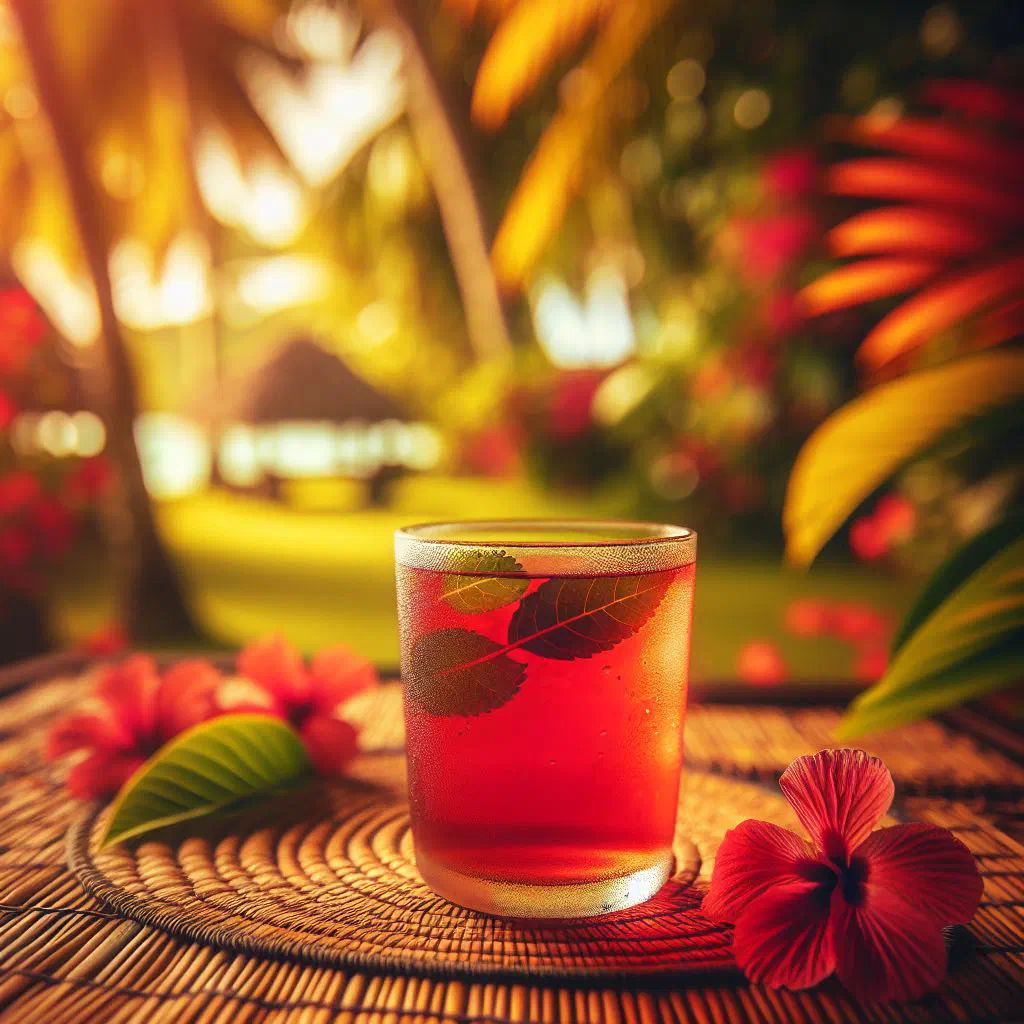
Cool off with Hibiscus Tea, a vibrantly red refresher beloved across the tropical islands of Fiji. Brewed from dried hibiscus flowers, this caffeine-free drink balances a tart, fruity tang with whatever sweetness you fancy, making it just as welcome on a sweltering afternoon as it is during a quiet moment of calm. Bright in colour and brimming with antioxidants, it is the kind of cup that feels both indulgent and wholesome.
About Hibiscus Tea
Hibiscus Tea, sometimes called flower tea, is a refreshing drink that is as good for you as it is delicious. Native to the tropical regions of Fiji, it has won a loyal following for its fruity flavour and its striking deep-red colour. Using dried hibiscus flowers gives the tea not only a distinctive aroma but also a generous dose of vitamins and antioxidants. Best of all, it is naturally caffeine-free, which makes it an ideal choice for relaxing, restful moments.
Ingredients (serves 1–2)
- 2–3 teaspoons dried hibiscus flowers
- 500 ml water
- 2 teaspoons honey or sugar (to taste)
- A squeeze of lime juice (optional)
- Fresh mint, to garnish (optional)
Shopping for the ingredients
To brew the perfect Hibiscus Tea, getting the right ingredients matters. Dried hibiscus flowers are usually found in Asian grocery shops, health-food stores or online. Choose flowers of good quality with no added artificial flavourings. Honey or sugar is easy to come by depending on your preference, and for a healthier option you could reach for agave syrup instead.
Preparing the dish
Getting ready to make Hibiscus Tea is wonderfully simple and takes only a few steps. Begin by weighing out the dried hibiscus flowers and measuring out your water. Use filtered water for the best flavour and a beautifully clear cup. Have the rest of your ingredients — honey or lime juice, say — to hand so you can adjust the tea exactly to your taste as you go.
Step-by-step instructions
- Bring the water to the boil in a saucepan.
- Add the dried hibiscus flowers and let them steep for about 10–15 minutes.
- Pour the tea through a sieve to remove the flowers.
- Stir in honey or sugar to taste, along with a squeeze of lime juice.
- Serve the tea hot or chilled, whichever you prefer.
Gluten-free / lactose-free version
Hibiscus Tea is naturally gluten-free and lactose-free, which makes it a brilliant choice for anyone with those intolerances. No special tweaks are needed to make the tea suitable for these diets. The recipe is highly versatile and adapts effortlessly to all sorts of eating habits, so you can enjoy it without a second thought — and experiment with different ways of sweetening it while you are at it.
Tips for vegans and vegetarians
For vegans, agave syrup or maple syrup work beautifully in this recipe as a plant-based alternative to honey. These sweeteners lend the tea a lovely sweetness without any animal products. You can also build on the flavour with fresh mint or other herbs to ring the changes. Don’t be afraid to play around with different additions to give the drink your own personal stamp — much as you might with a Fijian Mango Lassi.
More tips and tricks
To deepen or vary the flavour of your Hibiscus Tea, try adding other ingredients. Some people throw in spices such as ginger or cinnamon to create an intriguing layer of flavour. Experiment with different steeping times to find the ideal balance between fruitiness and tartness. You can also adjust the ratio of water to hibiscus flowers to make the tea stronger or milder to your liking.
Adapting the recipe to your taste
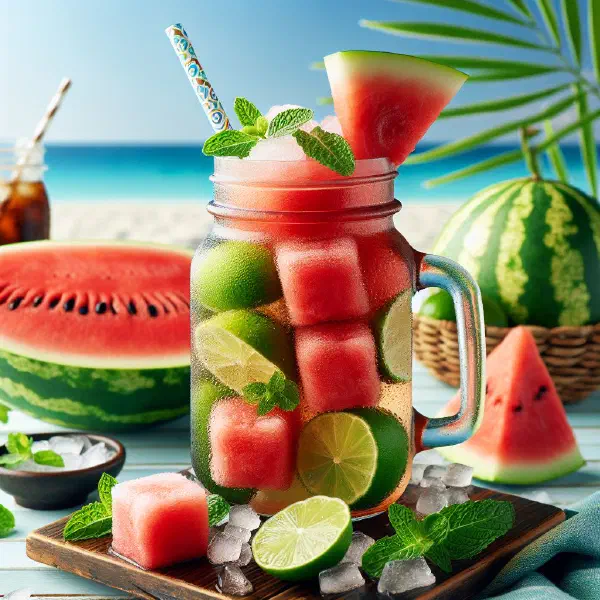
Everyone has their own preferences, and Hibiscus Tea is no exception. Adjust the sweetness by using more or less honey or sugar. You might also experiment with different citrus fruits, such as lime or orange, for a fruity twist. Serving the tea over ice is another refreshing option for warm days, in the same spirit as a glass of Watermelon And Lime Cooler.
Ingredient substitutions
If you cannot track down dried hibiscus flowers, there are alternatives — fruit teas with similar flavours, for example. These can be just as tasty, though the flavour and colour will vary from blend to blend. For sweetening, you can also use alternatives such as stevia or erythritol. These are especially popular with the diet-conscious and offer a sugar-free option.
Drink pairing ideas
Hibiscus Tea pairs wonderfully with other drinks. It works a treat in classic cocktails, lending a fruity note to a mojito or forming the base of a refreshing sangria. Non-alcoholic options work too, such as topping it up with sparkling or mineral water. Experiment with different combinations to discover new flavours, perhaps alongside a Fijian Coconut Lemonade or a chilled Tamarind Juice.
Serving and presentation ideas
Presentation is everything when you are entertaining. Serve the Hibiscus Tea in clear glasses so the deep-red colour really shines. Add fresh mint leaves or slices of lemon as a garnish to give the drink an extra splash of colour. Prettily decorated glasses make any occasion feel more festive and the tea look all the more inviting.
A bit of history
Hibiscus flowers have a long tradition in many cultures, especially in tropical regions such as Fiji. Here the tea is often served as a refreshing drink and is part of many social gatherings. Hibiscus is prized not only in the kitchen but also in traditional medicine, where the tea is valued for its antioxidant and anti-inflammatory properties. It holds a firm place within Fijian natural healing and the wider world of Fijian cuisine.
More recipe ideas
Summary: Hibiscus Tea
Hibiscus Tea is a refreshing, healthy alternative to everyday drinks. Whether you take it hot or chilled, its singular flavour and luminous colour make every cup a treat for the senses. It is simple to prepare and easy to tailor to your own preferences. Give this recipe a try and savour each cup, full of flavour and tradition.