National Dish Fiji: Mitihani Bread (Recipe)
In this article
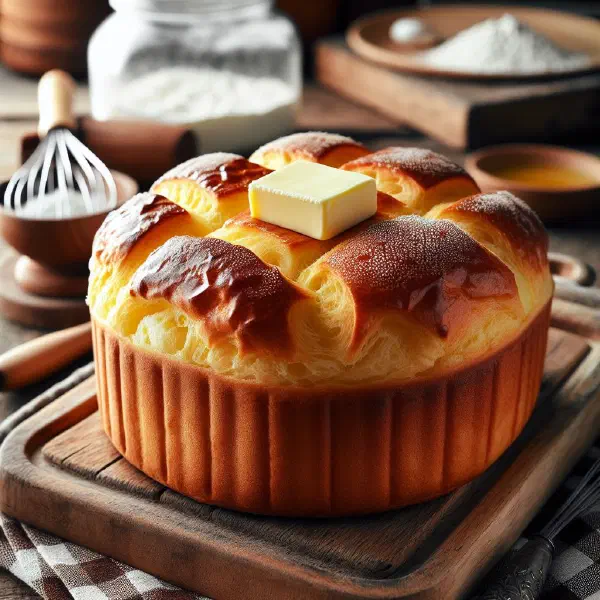
Say hello to Mitihani bread, a soft and fluffy loaf that holds a treasured place in Fijian kitchens. With its tender crumb and gently golden crust, it is the perfect partner for all manner of savoury dishes and a welcome sight at festive gatherings and family meals alike. Best of all, it is wonderfully straightforward to bake, so you can bring the warm, homely flavours of the islands straight to your own table.
About Mitihani Bread
Mitihani bread is an indispensable part of Fijian cuisine, beloved for its soft, fluffy texture and its versatility at the table. Traditionally served at festive occasions and shared family meals, it works beautifully alongside hearty mains and brings a distinctive island character to any spread. The dough is simple and forgiving, which makes this a lovely recipe for both seasoned bakers and complete beginners. One bite and you will understand why it remains such a firm favourite across the islands.
Ingredients (serves 1–2)
- 250 g plain flour
- 1 tablespoon sugar
- 1 teaspoon salt
- 1/2 sachet dried yeast
- 150 ml lukewarm water
- 1 tablespoon oil (coconut oil works well)
Shopping for the ingredients
The ingredients for Mitihani bread are easy to track down in most supermarkets, and any specialist Asian grocer will fill in the gaps. When buying flour, choose a good-quality variety that is well suited to bread-making, as this makes a real difference to the finished loaf. Dried yeast is a popular choice here because it is simple to handle and needs no extra preparation. For the best results, avoid storing your yeast for too long so that it stays lively and active.
Preparing the dish
Before you start on the Mitihani bread, it helps to have everything ready to hand. Measure out the flour, sugar and salt and combine them in a large mixing bowl. Add the dried yeast so that all the dry ingredients blend together evenly. It is also worth bringing the water to the right temperature now, so the yeast has the warmth it needs to do its work once everything comes together.
Step-by-step instructions
- In a bowl, combine the flour, sugar, salt and dried yeast.
- Pour in the lukewarm water and the oil, then bring the dough together and knead well.
- Knead for about 10 minutes, until the dough is smooth and elastic.
- Cover the dough in a lightly oiled bowl and leave it to rise in a warm place for around 1 hour, until doubled in size.
- Knock the dough back, knead briefly and shape it as you like.
- Place the loaves on a baking tray and leave them to prove for a further 30 minutes.
- Bake in a preheated oven at 180°C for about 25–30 minutes, until golden brown.
- Allow to cool before slicing.
Gluten-free / lactose-free version
To make Mitihani bread gluten-free, simply use a gluten-free flour blend designed specifically for baking bread. Take care that your yeast and sugar are gluten-free too, to avoid any cross-contamination. The recipe is naturally dairy-free, but to be sure of a fully lactose-free result, stick to plant-based oils such as olive oil or coconut oil. Many home bakers report excellent results with these simple swaps.
Tips for vegans and vegetarians
Mitihani bread is naturally vegan, containing no animal products at all. If you fancy a richer loaf, you can stir in a little plant-based milk to vary the flavour. Almond or soya milk, for instance, makes a lovely stand-in for the water and lends the bread a fuller, softer crumb. Adjust as you please to suit your own tastes or any particular dietary needs.
More tips and tricks
To get the most from your yeast, make sure the liquid you use is not too hot, as excessive heat will kill it off. A handy trick is to set the dough near a gentle source of warmth so that it rises a little faster. Adding a touch of honey or malt to the dough can deepen the flavour beautifully. Try not to over-knead, however, as this can spoil the bread’s light, open texture.
Adapting the recipe to your taste
Mitihani bread is easy to tailor to your own palate. Fold in herbs or spices such as rosemary or garlic powder to give it an aromatic lift. Alternatively, scatter in some sun-dried tomatoes or olives for a more savoury loaf, a flavour pairing that feels right at home with island staples like Coconut Bread. Let your imagination run free and experiment with different additions until you hit on the perfect combination.
Ingredient substitutions
If you find yourself short of an ingredient, there are plenty of alternatives to fall back on. In place of plain flour, try oat flour or chickpea flour to give the bread a different character, much as you might in a rustic Coconut And Cassava Flatbread. The sugar can be swapped for honey or an agave-based syrup. Playing with sweet and savoury substitutions opens up an interesting range of flavours while letting you create healthier variations too.
Drink pairing ideas
A variety of drinks pair beautifully with Mitihani bread. A freshly brewed coffee or tea makes an ideal companion, while a fruity smoothie such as a Coconut And Mango Smoothie offers a refreshing change. If you prefer something with a little sparkle, sparkling water with a splash of lime is wonderfully crisp.
Serving and presentation ideas
Thoughtful presentation can lift the whole experience of Mitihani bread. Serve the loaf warm on a rustic wooden board alongside an assortment of spreads such as butter or jam. A few fresh herbs scattered over the top make a simple, attractive garnish. Arrange any accompaniments with care to round off the overall look and make the spread all the more inviting.
A bit of history
Mitihani bread plays an important cultural role in Fiji and is woven deeply into the country’s traditions and celebrations. It is often baked at home and shared among family, a gesture that symbolises community and togetherness. In many Fijian villages, bread-making is something of an art passed down from one generation to the next. This rich cultural backdrop makes Mitihani bread not only a culinary pleasure but a genuine part of Fijian identity, much like the island classics found across Fijian cuisine.
More recipe ideas
Summary: Mitihani Bread
Mitihani bread is far more than a simple loaf; it is a slice of Fijian culture and history that anyone can recreate at home with ease. Thanks to its many possible variations, it is a recipe to suit every taste. This bread wins people over time and again. Let it inspire you, and savour the long tradition that Mitihani bread carries to tables across the islands and beyond.