National Dish Fiji: Nama Salad (Recipe)
In this article
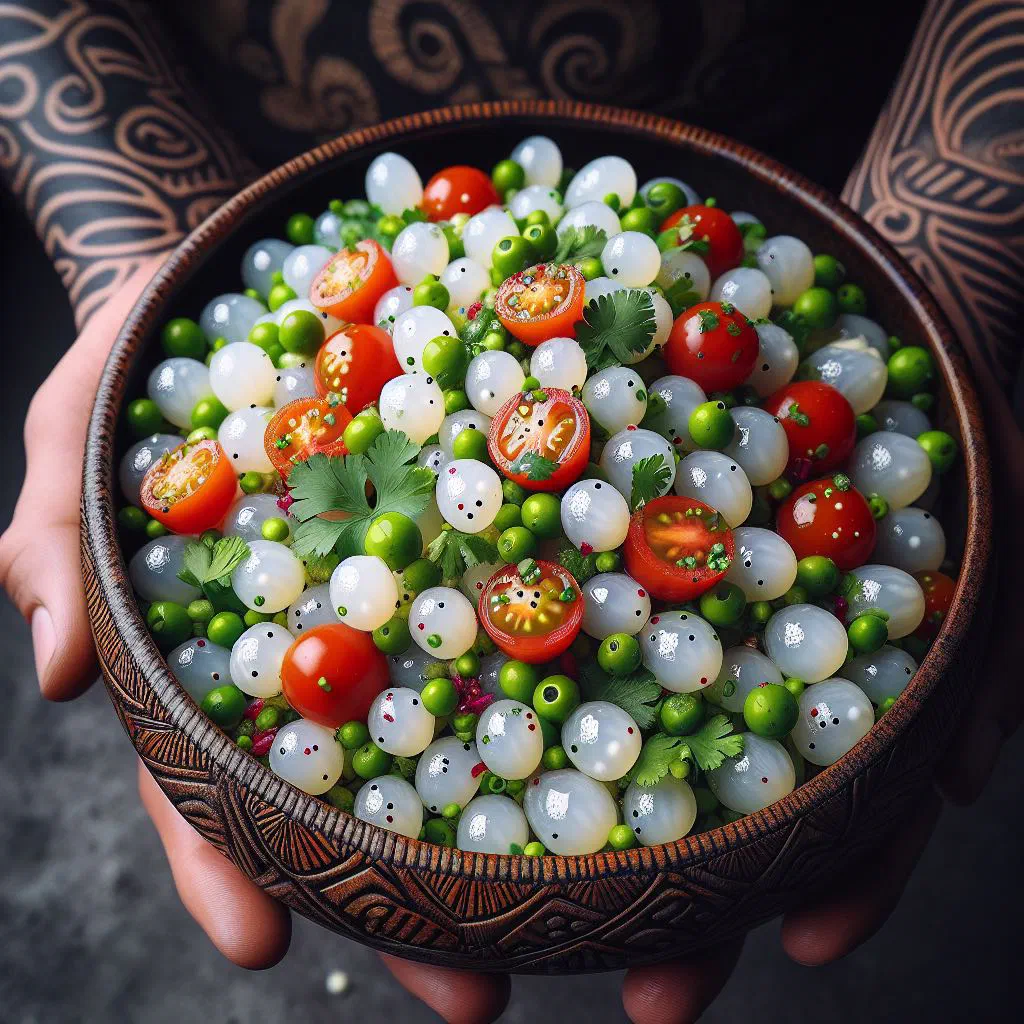
Discover Nama Salad, the refreshing pride of Fiji’s island kitchens. This bright, zingy dish brings together tender sea grapes, crisp garden vegetables and the unmistakable tropical lift of lime and coconut milk. Light yet deeply satisfying, it makes a wonderful starter or side and captures the easy, sun-soaked spirit of the South Pacific. One forkful and you will feel a world away on a Fijian shore.
About Nama Salad
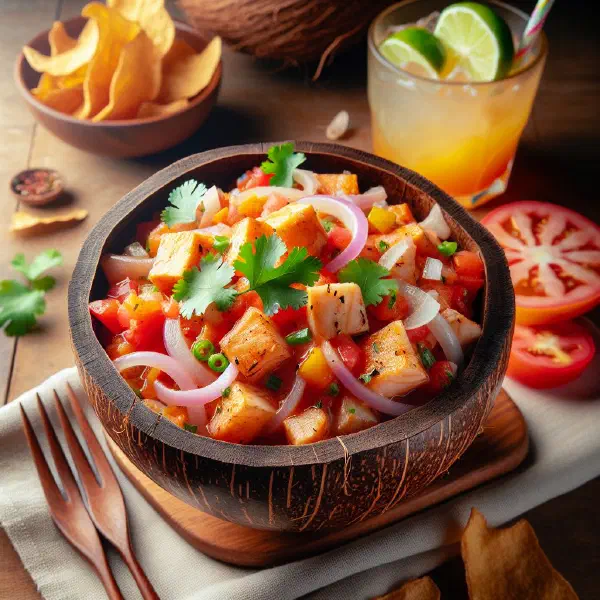
Nama Salad is a traditional Fijian dish that perfectly embodies the fresh, bright cooking of the islands. It is a hearty salad built from a medley of ingredients that marry the flavours of the sea with those of the tropical garden. This speciality is often paired with fresh fish, making it delicious and wonderfully healthy. Nama Salad reflects the culture and traditions of Fiji and invites you to enjoy a little slice of paradise on a plate.
Ingredients (serves 1–2)
- 200 g fresh fish (such as tuna or mackerel)
- 1 small onion, finely chopped
- 1 tomato, diced
- 1/2 cucumber, diced
- Juice of 1–2 limes
- 1–2 tablespoons coconut milk
- Salt to taste
- Pepper to taste
- Fresh coriander leaves, to garnish
Shopping for the ingredients
When shopping for nama salad, fresh ingredients are absolutely key, above all the fish. It is well worth visiting a local market or a trusted fishmonger to be sure the fish is of the very best quality. Take care to choose fresh vegetables and good coconut milk too, as these form the backbone of the flavour. The onions, tomatoes and cucumber should be crisp and aromatic to round the salad off beautifully.
Preparing the dish
Nama salad needs a little groundwork before you start putting it together. Make sure the fish is well chilled and remove the skin and any bones if necessary. The vegetables should be washed thoroughly and cut into even pieces for an appealing presentation. Remember to squeeze the lime juice fresh, as this gives you the most intense, bright flavour.
Step-by-step instructions
- Cut the fresh fish into small cubes and place them in a bowl.
- Add the chopped onion, diced tomato and cucumber.
- Pour the lime juice over the mixture and toss everything together well.
- Stir in the coconut milk and season with salt and pepper to taste.
- Let the salad rest for a few minutes so the flavours can develop.
- Just before serving, garnish with fresh coriander leaves.
Gluten-free / lactose-free version
Nama salad is a wonderful choice for anyone eating gluten-free or lactose-free. All the ingredients are naturally free from gluten and lactose, so you can enjoy this salad with complete peace of mind. When choosing your coconut milk, simply avoid products that might contain additives or hidden allergens. Savour this refreshing salad as a healthy dish without a second thought.
Tips for vegans and vegetarians
Nama salad is easy to adapt for vegans and vegetarians to suit your own way of eating. Instead of fish you might use tofu or tempeh, which offer a similar texture and soak up the flavours of the salad beautifully. The remaining ingredients stay exactly the same and can be adjusted to taste. This way, those following a plant-based diet can also enjoy the fresh flavours of Fijian cooking. For another meat-free option, try a Fresh Pawpaw Salad.
More tips and tricks
To make nama salad even more interesting, you can add or swap in a range of ingredients. Experiment with different herbs such as mint or basil for a fresh note, and a pinch of chilli lends the salad a gentle kick. Don’t forget to serve it chilled, as this intensifies the flavours and makes for a truly refreshing experience.
Adapting the recipe to your taste
Everyone has their own preferences, and that is no problem at all with nama salad. You can adjust the quantities of the various ingredients however you like to reflect your personal taste. If you fancy more vegetables, add some avocado or red pepper. Likewise, you can dial the tang of the salad up or down with more or less lime juice. Be creative, much like the freedom you’ll find in a Tropical Mango And Lime Salad.
Ingredient substitutions
If you don’t have certain ingredients to hand, there are some easy alternatives. In place of tuna you could use grilled chicken or crab meat, much as you would in a Crab And Cassava Salad. The coconut milk can also be replaced with yoghurt for a creamier consistency. Don’t be discouraged if you can’t find every ingredient, variation is the key.
Drink pairing ideas
For a harmonious flavour experience, pair nama salad with refreshing drinks. A light white wine or a fruity rum-based cocktail works beautifully. If you would rather keep things alcohol-free, fresh fruit juices or a homemade mint lemonade make an ideal match. A glass of Coconut Water rounds off the Fijian experience to perfection.
Serving and presentation ideas
Presentation is an important part of making a meal appealing. Serve the nama salad in an attractive bowl or directly on the plate, garnished with fresh coriander and slices of lime. Edible flowers can also help to lift the dish visually. Play with colours and shapes to make the salad even more inviting.
A bit of history
Nama salad has its roots in the traditions of the Fijian people, who look back on a long history of fishing and cultivating local produce. For centuries the people of Fiji have used fresh ingredients to create nourishing, flavourful dishes. These culinary traditions are reflected in nama salad, which is regarded in many countries as a symbol of Fijian culture and hospitality, a hallmark of Fijian cuisine. Enjoy the dish and taste the history in every bite.
More recipe ideas
Summary: Nama Salad
Nama salad is a delicious, refreshing dish that brings the flavours of Fijian cooking together perfectly. With simple, fresh ingredients it is easy to prepare and can be adapted to suit your own preferences. A vegetarian or a vegan, this dish has something for everyone. Serve it at any occasion where you want to bring family and friends together, and enjoy the wonderful variety of flavours that Fiji has to offer.