National Dish Fiji: Octopus Kokoda (Recipe)
In this article
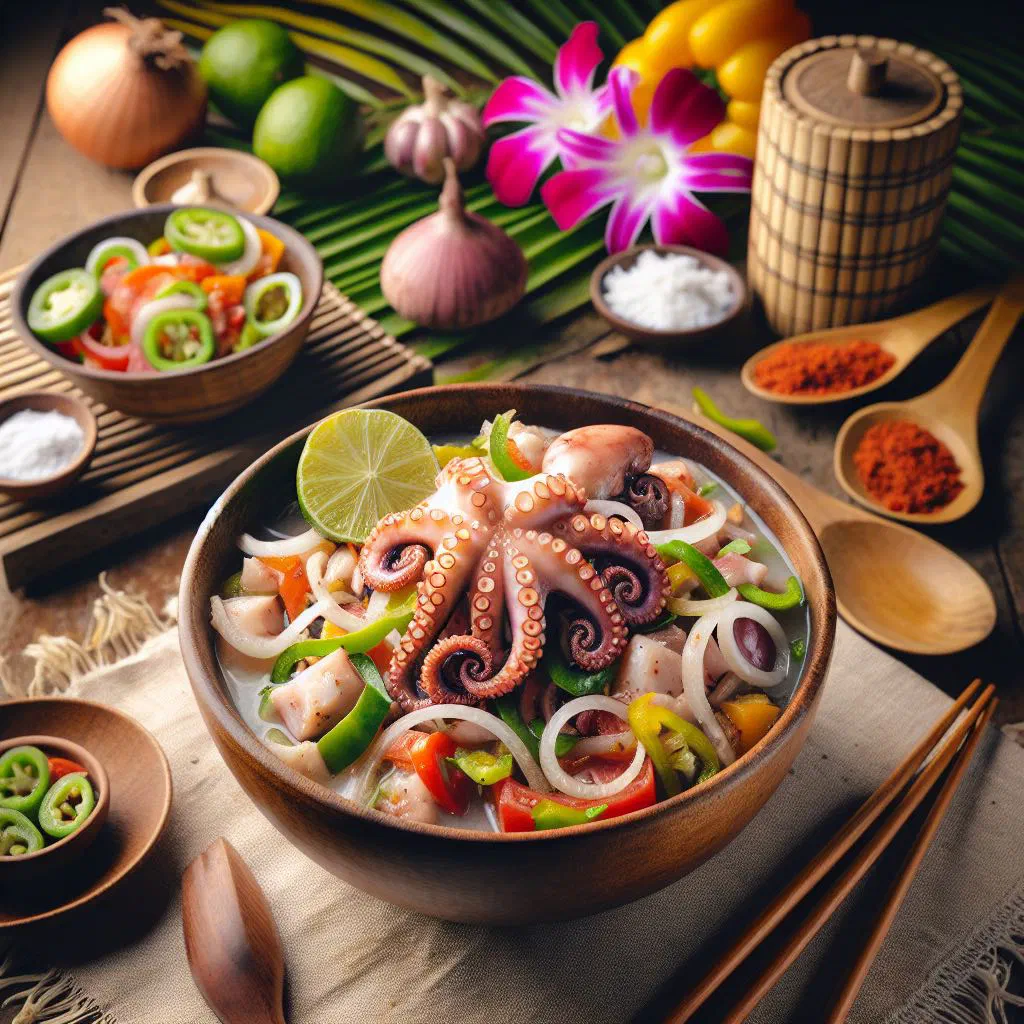
Bring a taste of the tropics to your table with Octopus Kokoda, a bright and refreshing speciality from the islands of Fiji. Tender octopus is bathed in a zingy marinade of fresh lime juice and creamy coconut milk, then lifted with herbs and a touch of chilli. Cool, bright and effortlessly elegant, it makes a stunning starter for a dinner party or a light main on a warm evening. One forkful and you will feel the Pacific breeze.
About Octopus Kokoda
Octopus Kokoda is a traditional dish from Fiji that appeals to visitors and locals alike. It features cooked octopus served in a refreshing marinade of lime juice, coconut milk and an assortment of aromatic ingredients. The dish brings together the flavours of the Pacific for a genuinely authentic eating experience. Kokoda is delicious and a wonderful way to refresh both body and spirit, much like the island’s beloved Seafood Kokoda.
Ingredients (serves 1–2)
- 300 g fresh octopus
- 100 ml coconut milk
- Juice of 2 limes
- 1 small onion, finely chopped
- 1 small tomato, diced
- 1 small chilli, deseeded and finely chopped (optional)
- Fresh coriander leaves, to garnish
- Salt to taste
Shopping for the ingredients
Choosing the right ingredients is key to the flavour of octopus kokoda. Make sure the octopus is fresh and of high quality, a specialist fishmonger or the seafood counter of a larger supermarket is your best bet. Fresh herbs such as coriander are also important for the aroma, so reach for fresh bunches rather than dried. A good selection of fresh produce will reward you, just as it does in a bright Ota Salad.
Preparing the dish
Preparation is an important step towards a first-rate octopus kokoda. First, clean the octopus thoroughly by rinsing it under cold running water. The octopus can then be either boiled or grilled. To keep it beautifully tender, take care not to overcook it, gentle handling makes all the difference to the final texture.
Step-by-step instructions
- Bring a large pan of water to the boil.
- Add the octopus and cook for around 30 minutes, until tender.
- Lift the octopus out of the water and leave it to cool.
- Cut the cooled octopus into small pieces.
- In a bowl, combine the coconut milk, lime juice, onion, tomato and chilli.
- Add the octopus pieces and mix everything together well.
- Season with salt and leave to marinate for about 30 minutes.
- Garnish with fresh coriander just before serving.
Gluten-free / lactose-free version
Octopus kokoda is naturally gluten-free and lactose-free, which makes it an excellent choice for anyone with those intolerances. The ingredient list contains no gluten- or lactose-bearing products, so you can enjoy the dish with complete peace of mind. As long as you use fresh, good-quality ingredients, you can reap all of its health benefits. It is an ideal dish that invites everyone to tuck in.
Tips for vegans and vegetarians
Although octopus kokoda is a seafood dish, there are alternatives for vegans and vegetarians. You can use diced fresh vegetables or firm tofu instead to achieve a similar texture. These can be steeped in the very same marinade of coconut milk and lime juice. The flavour will of course be different, but the refreshing aromas remain, and the result can still be a wonderful dish, in the spirit of Grilled Tofu With Tamarind Sauce.
More tips and tricks
To get the very best results, a few tricks go a long way. Marinating for several hours improves the flavours considerably. Use fresh limes for the juice, as this makes a real difference to the intensity of the taste. Experiment with the amount of chilli to reach your preferred level of heat, and remember that sometimes less is more.
Adapting the recipe to your taste
Everyone has different tastes, and octopus kokoda adapts beautifully. You can add various fresh vegetables to explore extra flavours, or try different herbs and spices. Perhaps you prefer a few more onions, or a hint of garlic? Play around with the recipe to discover your own perfect version.
Ingredient substitutions
If you do not have certain ingredients to hand, there are happily a few alternatives. Instead of coconut milk you can use soya or almond milk to achieve a similar creaminess. If you cannot find fresh octopus, tuna or prawns can be a flavoursome option, much as they are in a zesty Ceviche. The key is for the flavours to harmonise, even when the main ingredient varies.
Drink pairing ideas
To round off your octopus kokoda experience, serve a well-matched drink alongside. A refreshing rum-based cocktail or a crisp white wine pairs wonderfully with the flavours of the dish. If you prefer something alcohol-free, a fruity smoothie or chilled Coconut Water is a refreshing choice. These drinks bring the taste of the Pacific straight to your table.
Serving and presentation ideas
Presentation is everything when it comes to good food. Serve the octopus kokoda in an attractive bowl and garnish it with fresh coriander leaves and extra lime wedges. A few green leaves on the plate can make the dish even more appealing. You could even add a scattering of edible flowers for visual flair and a festive finish.
A bit of history
Octopus kokoda carries rich cultural significance in Fiji. Fijians have had access to fresh fish and seafood for centuries, and kokoda is a byword for the authenticity of Fijian cuisine. The preparation method grows out of the traditional use of coconut milk and citrus fruits, both prized for their refreshing qualities. It is more than a dish; it is a culinary tradition that celebrates community and family, a thread that runs through all of Fijian cuisine.
More recipe ideas
- Octopus In Coconut Milk
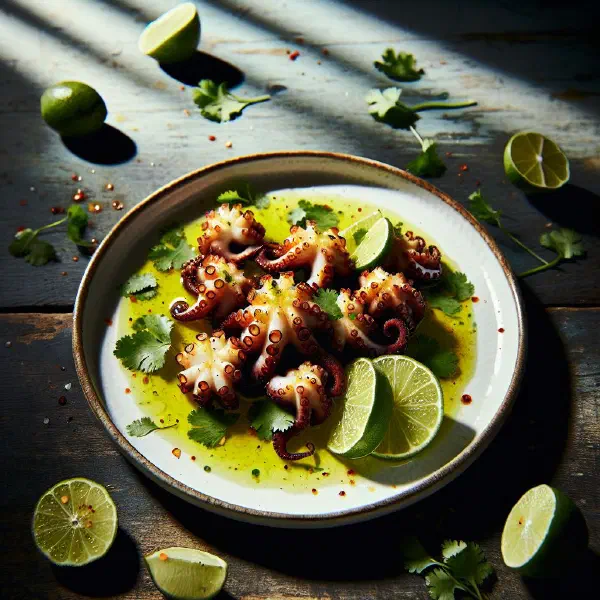
- Lime Marinated Octopus
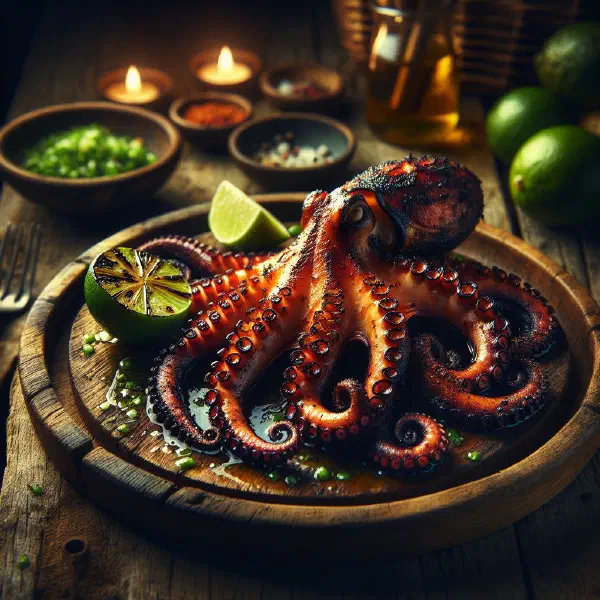
- Chargrilled Octopus With Lime
- Grilled Octopus
- Coconut Rice
Summary: Octopus Kokoda
All in all, octopus kokoda is a superb example of the delicious and varied cuisine of Fiji. The combination of fresh octopus and a refreshing marinade offers a unique taste experience and a genuine connection to island culture. The dish is perfect for special occasions or simply for treating yourself to something good. Give your creativity free rein and savour the flavours of the Pacific with this traditional Fijian recipe.