National Dish Fiji: Roro Soup (Recipe)

In this article
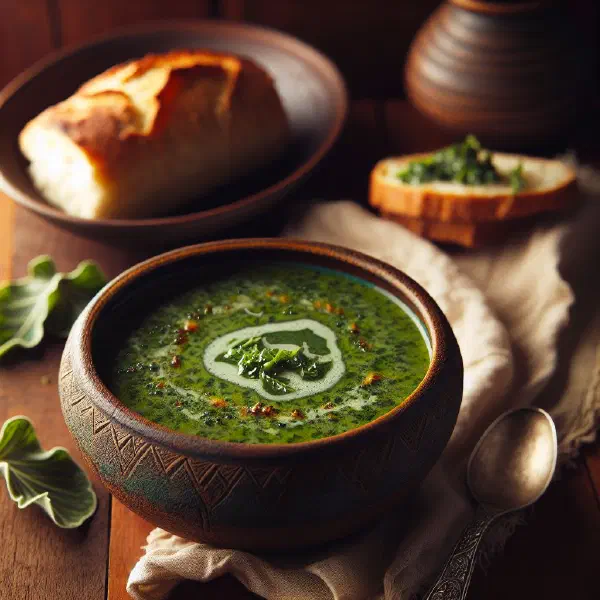
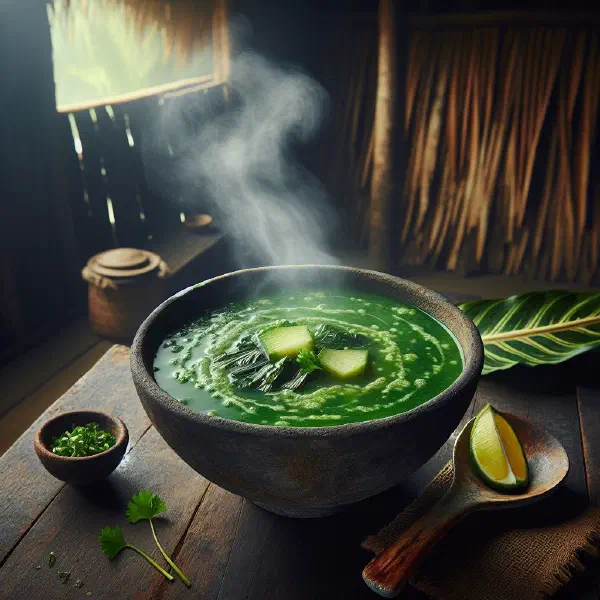
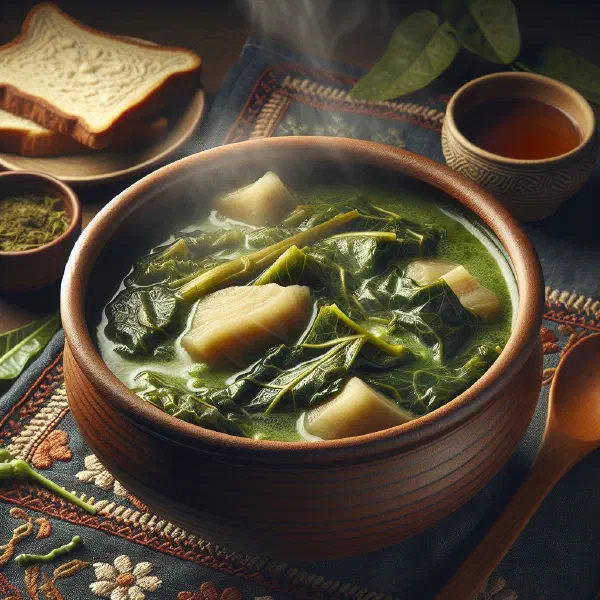
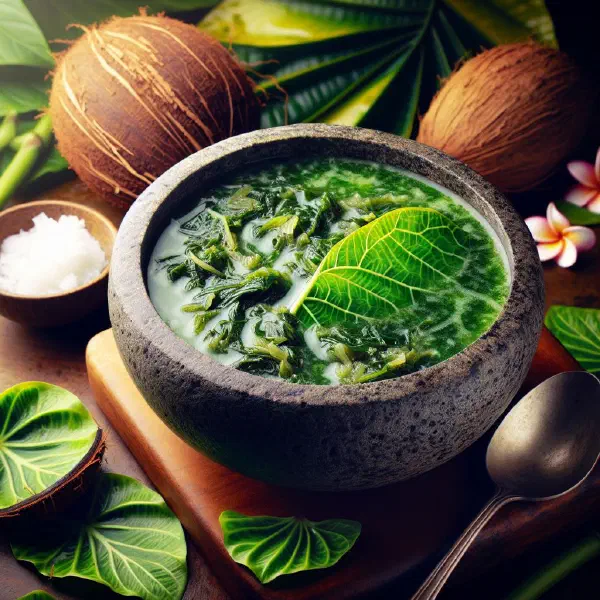
Discover Roro Soup, one of the great comforts of the Fijian table. This gentle, creamy soup brings together tender taro leaves and rich coconut milk for a flavour that tastes of the tropics in every spoonful. Simple to make and naturally wholesome, it relies on the islands’ most abundant ingredients to create something quietly special. This is island cooking at its most welcoming.
About Roro Soup
Roro Soup is a traditional dish of the Fijian kitchen, well loved for its distinctive flavour and its hearty, homely ingredients. It is built around two staples that grow in plenty across Fiji’s tropical landscape: taro leaves and coconut milk. The pairing of the soft, delicate leaves with the creamy richness of the coconut creates a harmonious taste that appeals to locals and visitors alike. Best of all, it is wonderfully straightforward to prepare and asks for no special cooking skills, much like the gentle warmth of a Taro Leaf Soup.
Ingredients (serves 1–2)
- 300 g taro leaves (fresh or frozen)
- 200 ml coconut milk
- 1 onion, finely chopped
- 2 cloves garlic, crushed
- 1 piece of ginger (about 1 cm), grated
- 500 ml vegetable stock
- Salt and pepper, to taste
- 1 teaspoon oil, for frying
Shopping for the ingredients
When shopping for roro soup, it pays to choose good-quality produce. Taro leaves are available in Asian grocery shops or at weekly markets, and you should look for fresh, tender leaves as these offer the best flavour. Coconut milk is easy to find in tins or cartons, and here too it is worth reaching for an organic option to keep the taste as natural as possible. Picking the right ingredients sets the foundation for a truly satisfying bowl.
Preparing the dish
Before you begin cooking the roro soup, it helps to have all the ingredients ready to hand. The taro leaves need a thorough wash and should then be sliced into fine strips. The onion, garlic and ginger should likewise be chopped small or grated, so they spread evenly through the dish later on. A well-prepared work surface is the key to a flavourful end result and lets the whole process run smoothly.
Step-by-step instructions
- Heat the oil in a large pot and fry the chopped onion, garlic and ginger for about 3 minutes, until soft.
- Add the taro leaves and cook for a further 5 minutes, until they have wilted down a little.
- Pour in the vegetable stock and bring the mixture to the boil.
- Once the soup is boiling, reduce the heat and let it simmer for 15 minutes, until the leaves are tender.
- Add the coconut milk and let the soup simmer for another 5 minutes.
- Season with salt and pepper to taste, then serve.
Gluten-free / lactose-free version
Roro soup is naturally gluten-free and lactose-free, since it is made mainly from plant ingredients and coconut milk. That means anyone with a gluten or lactose intolerance can enjoy this delicious dish with complete peace of mind. When buying the vegetable stock, just check that it too is free from gluten and lactose. This way you can be sure your soup is tasty and kind to sensitive tummies.
Tips for vegans and vegetarians
Roro soup is not only a delicious choice for anyone after a hearty meal, it is also ideal for vegans and vegetarians. Because the recipe is built on plant-based ingredients, it slots easily into a meat-free diet. For example, use a homemade vegetable stock in place of a shop-bought one to deepen the flavour. You could also add extra vegetables such as carrots or peppers to bring more colour and nutrition to the bowl, in the spirit of a Carrot and Coconut Soup.
More tips and tricks
To get the very best from your roro soup, there are a few tips and tricks worth keeping in mind. Frying the onion, garlic and ginger first builds a deeper, more rounded flavour. Before adding the coconut milk, taste the soup to make sure the aromas are working well together. If the soup turns out too thick, you can always loosen it with a little more stock or water until you reach the consistency you like.
Adapting the recipe to your taste
Roro soup offers plenty of room to adapt it to your own preferences. Experiment with different herbs and spices, such as coriander or a squeeze of lime, to discover new flavour notes. If you prefer things hotter, add chilli or extra pepper. You can also change the texture by blending some of the soup, which gives you a creamier, smoother result reminiscent of a Watercress and Coconut Soup.
Ingredient substitutions
If you cannot find certain ingredients, or if you have allergies, there are easy alternatives for roro soup. In place of taro leaves you can use spinach or chard, both of which wilt down in much the same way as they do in Boiled Taro Leaves. For a different flavour, swap the coconut milk for almond or cashew cream.
Drink pairing ideas
Roro soup pairs beautifully with a range of drinks. A fruity cocktail with coconut or pineapple heightens the tropical experience. For an alcohol-free option, a glass of freshly pressed juice, such as mango or pineapple, is a lovely choice.
Serving and presentation ideas
A little thought given to presentation can make roro soup even more enjoyable. Serve it in pretty, colourful bowls and garnish with fresh herbs such as coriander or parsley. A squeeze of lime juice over the top looks appealing and freshens up the flavour. Offering some crisp fresh vegetables on the side brings extra colour and life to the table.
A bit of history
Roro soup has deeply rooted traditions in Fijian culture. Historically, the dish was a simple source of nourishment for islanders and was often prepared during feasts and special occasions. The use of coconut and taro reflects Fiji’s natural resources and shows the close bond between the people and their surroundings. Today, roro soup is a symbol of Fijian cuisine and a popular dish for visitors keen to discover the local food, much like the celebrated Palusami.
More recipe ideas
- Fijian Rourou Soup
- Fresh Taro Leaf Salad
- Coconut and Lemongrass Soup
- Pumpkin and Taro Leaf Curry
- Coconut Fish Soup
Summary: Roro Soup
Roro Soup is far more than a simple dish; it is a chance to enjoy a range of flavours and textures in one bowl. This easy preparation is carried by the use of fresh, local ingredients and reflects the culture and history of Fiji. Give roro soup a try and let its unmistakable flavour win you over.