National Dish Fiji: Roti (Recipe)

In this article
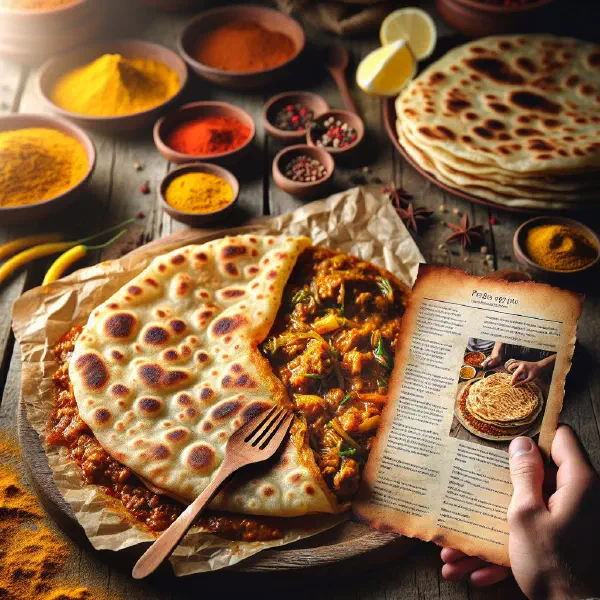
Discover Fijian Roti, the soft, golden flatbread that sits at the heart of so many island meals. Wonderfully versatile, it is the perfect partner for fragrant curries or a warm wrap for all manner of fillings. With just a handful of storecupboard ingredients you can bring the comforting, homely flavours of Fiji straight to your own table, a true taste of the South Pacific.
About Roti
Fijian Roti is a traditional dish from Fiji that carries real cultural weight in countless island households. It is a kind of soft flatbread, most often served alongside a variety of other dishes. The preparation is refreshingly simple, and the ingredients are easy to find in almost any supermarket. More than just a staple food, roti is a symbol of Fijian cultural identity, passed down and shared at tables across the islands.
Ingredients (serves 1–2)
- 2 cups plain flour
- 1/2 teaspoon salt
- 1/2 teaspoon baking powder
- 3/4 cup water
- 2 tablespoons oil
Shopping for the ingredients
When shopping for the ingredients for Fijian roti, it pays to focus on quality. Look for fresh, good-quality flour, as this is the single most important factor in the texture of your roti. Salt and baking powder are everyday items that any supermarket will stock. Don’t forget to choose a good oil for frying too, so you can coax out the very best flavour from this simple bread.
Preparing the dish
Preparing Fijian roti could hardly be simpler, though it does call for a little time. Start by having all of your ingredients to hand so everything comes together smoothly. Mix the dry ingredients in a bowl before gradually adding the water. Knead the dough thoroughly so it develops an even, supple consistency, which is the key to a tender finished bread.
Step-by-step instructions
- In a bowl, mix the flour, salt and baking powder together thoroughly.
- Slowly add the water and stir until a dough begins to form.
- Knead the dough on a lightly floured surface for around 5–10 minutes.
- Cover the dough with a damp cloth and leave it to rest for 30 minutes.
- Divide the dough into small portions and roll each piece out thinly.
- Heat oil in a pan and fry the roti for 2–3 minutes on each side, until golden brown.
Gluten-free / lactose-free version
For a gluten-free version of Fijian roti, you can use rice flour or almond flour instead. These flours may need a little adjustment to the amount of liquid, so experiment to find the right consistency. For lactose-free cooking, simply reach for neutral oils such as sunflower oil in place of butter. That way the dish stays perfectly enjoyable for anyone who is lactose intolerant.
Tips for vegans and vegetarians
Fijian roti is naturally vegan, as long as no animal products are added along the way. Just make sure the oil you use is plant-based. Serve the roti with vegetables or plant-based dips to create a fully vegan experience. This makes for a delicious, nourishing meal that appeals to vegans and vegetarians alike, and pairs beautifully with something like a Vegetable Curry.
More tips and tricks
To achieve the perfect Fijian roti, it is important to knead the dough well. A properly kneaded dough is what allows the roti to puff up nicely as it fries. Experiment with the thickness of your roti, depending on your preference, you can roll them out thinner or thicker. The frying time can be varied too, to reach slightly different flavours and textures.
Adapting the recipe to your taste
This recipe is easy to tailor to personal preference. If you like things spicier, add seasonings such as cumin or chilli powder to the dough. You can also prepare the roti with fillings, spinach or cheese, for instance, turning it into something heartier, much like a Vegetable Roti Wrap.
Ingredient substitutions
If you would rather not use wheat flour, you can also use coconut flour or other gluten-free flours. The oil can likewise be swapped for olive oil. Should you have an adverse reaction to baking powder, it is worth switching to bicarbonate of soda, with a little acid added to achieve the same lift.
Drink pairing ideas
Refreshing drinks pair best with Fijian roti. A glass of cool Coconut Water or a fresh fruit juice is ideal for rounding out the flavours of the meal. Both the sweetness and the freshness of these drinks harmonise wonderfully with the gentle taste of the roti. You might also try a chai tea or a light Fijian beer for a perfect combination.
Serving and presentation ideas
The presentation of Fijian roti can be simple yet striking. Serve the roti on a large plate and garnish with fresh herbs or vegetables. A small bowl of a spicy sauce or a dip alongside makes the dish even more inviting. The colours and the arrangement ensure it looks every bit as appealing as it tastes.
A bit of history
Fijian roti has its roots in the tradition and culture of Fiji. It was originally prepared as a humble, everyday food among the local population and has since grown into a much-loved dish available in many variations. Roti is often served at festivities and gatherings, playing a central role in Fijian cuisine and the wider world of Fijian cooking. Many families have their own secret recipes, lovingly handed down across generations.
More recipe ideas
- Fijian Roti And Dahl
- Coconut Rice
- Chicken Curry
- Coconut And Cassava Flatbread
- Grilled Tofu With Tamarind Sauce
Summary: Roti
Fijian roti is a delicious and easy-to-make dish that can be used in countless ways. With only a few ingredients, anyone can make this traditional Fijian bread at home. The adaptability of the recipe means you can vary it to suit your own preferences. Enjoy Fijian roti as a side to your favourite dishes, or on its own with a selection of dips and sauces.