National Dish Fiji: Rourou Balls (Recipe)
In this article
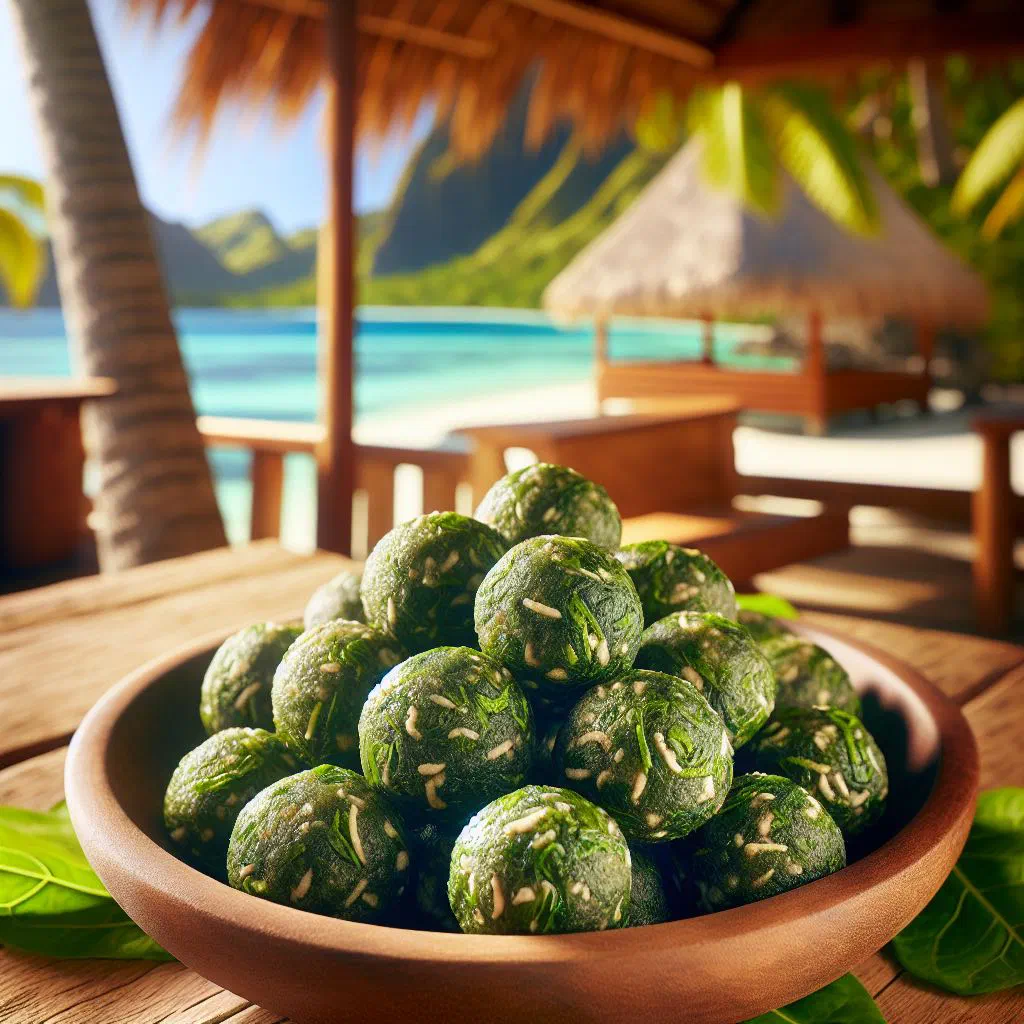
Say hello to Rourou Balls, one of Fiji’s most moreish little bites. These crisp, golden morsels bring together earthy taro leaves and creamy mashed potato, all rolled into bite-sized balls and fried until very good. Warm with garlic and ginger, they capture the easy-going spirit of island cooking and make a brilliant snack for sharing. Bring a taste of the South Pacific to your own kitchen with this simple, satisfying treat.
About Rourou Balls
Rourou Balls are a wonderfully distinctive treat from Fiji, loved by locals and visitors alike. These small, savoury balls are made from a mixture of rourou leaves, better known as taro leaves, combined with a handful of other tasty ingredients. The dish reflects the heart of traditional Fijian cuisine and offers a flavour experience quite unlike any other. They are nourishing and a superb choice for sociable gatherings or as a snack to enjoy at any time of day.
Ingredients (serves 1–2)
- 120 g rourou leaves (or spinach)
- 100 g cooked potatoes, mashed
- 50 g onions, finely chopped
- 1 clove garlic, chopped
- 1 tsp ginger, grated
- Salt and pepper, to taste
- Vegetable oil, for frying
Shopping for the ingredients
To make the perfect dish, it is well worth tracking down the right ingredients. Visit an Asian supermarket or a health-food shop to buy fresh rourou leaves. If you cannot find them, fresh spinach makes a great stand-in and is available in most supermarkets. Beyond that, pay attention to the quality of the potatoes and the seasonings, as they make a real difference to the final flavour.
Preparing the dish
Preparing the Rourou Balls is straightforward, though it does call for a few basic steps. First, the rourou leaves need to be washed thoroughly and then finely chopped. Next, the cooked potatoes are mashed, and the onions, garlic and ginger can be added in. This mixture should be combined well so that all the aromas mingle and a harmonious flavour profile comes through.
Step-by-step instructions
- Wash the rourou leaves thoroughly and chop them finely.
- Tip the chopped leaves into a bowl with the mashed potatoes, onions, garlic and ginger.
- Season with salt and pepper and mix everything together well.
- Shape the mixture into small balls.
- Heat the vegetable oil in a deep pan.
- Carefully lower the balls into the hot oil and fry until golden brown.
- Drain the finished rourou balls on kitchen paper.
Gluten-free / lactose-free version
The Rourou Balls are naturally gluten-free and lactose-free, as they contain no grain products or dairy. This makes them an excellent choice for anyone with special dietary requirements. If you would like to add extra texture and flavour, you can use gluten-free breadcrumbs or flour alternatives that are also lactose-free. Just be sure to keep an eye on the freshness of your ingredients to get the very best results.
Tips for vegans and vegetarians
The Rourou Balls are naturally vegan and vegetarian, making them perfect for any plant-based way of eating. To vary the recipe while keeping it vegan, you can add alternative vegetables and spices. A few diced chillies or a pinch of turmeric can give the balls an extra lift of flavour. Reach for fresh herbs such as coriander or parsley for an aromatic finishing note. They pair beautifully with a vegetable-forward dish like Palusami.
More tips and tricks
To make sure your Rourou Balls turn out perfectly, there are a few helpful pointers worth knowing. Take care that the mixture is not too wet, as it can fall apart during frying. Another good tip is to preheat the oil thoroughly; this stops the balls from soaking up too much oil. Experiment with different spices and herbs to land on exactly the flavour you are after.
Adapting the recipe to your taste
Adapt the Rourou Balls entirely to your own preferences. If you want a more intense flavour, you can add smoked spices or special marinades. For a spicy kick, throw in some chilli or a pinch of cayenne pepper. The fillings are flexible too: swap the potatoes for pumpkin or sweet potatoes for a sweeter variation.
Ingredient substitutions
If you cannot find rourou leaves, other leafy greens such as spinach or chard work just as well. For the potatoes, you might try a version with pumpkin or carrots to explore different flavours, much like the earthy richness of a Taro and Pumpkin Curry. Be sure to adjust the cooking time to suit each ingredient. Many of the spices can also be swapped to match your personal taste, as long as the overall flavour stays balanced.
Drink pairing ideas
The Rourou Balls pair beautifully with a wide range of drinks. A refreshing lemon and ginger tea or a chilled glass of coconut water goes especially well with the dish. A light, fruity wheat beer or a fresh mojito can also be ideal for rounding out the flavours.
Serving and presentation ideas
Presentation plays an important part in enjoying the Rourou Balls. Serve the balls on a colourful plate, garnished with fresh herbs or lemon slices to let the colours really shine. A dip of chilli sauce or an avocado-based sauce can make the dish even more appealing. Small bowls for the dips also add a lovely touch to the table.
A bit of history
The Rourou Balls have their origins in traditional Fijian cuisine and are an expression of the country’s cultural identity. Making these balls embodies the use of local ingredients and the techniques passed down from generation to generation. At festivals and special occasions they are often part of the buffet, a sign of hospitality and culinary heritage alike. The dish reflects the deep connection Fijians share with their land and their traditions.
More recipe ideas
Summary: Rourou Balls
The Rourou Balls are a quintessentially Fijian dish, set apart by the use of fresh rourou leaves. With their simple preparation and countless ways to adapt them, they offer locals and visitors alike an exceptional flavour experience. These balls are always a delicious choice. Enjoy both the making and the eating of this traditional island treat.