National Dish Fiji: Rourou Soup (Recipe)
In this article
Say bula to Rourou Soup, a comforting bowl that captures the gentle, tropical flavours of the Fiji Islands. Tender taro leaves are simmered in silky coconut milk with onion, garlic and ginger until everything turns soft and fragrant. Naturally gluten-free and vegan, this nourishing soup is a wonderful way to bring a little island warmth to your table, whether for a quiet supper or a relaxed gathering with friends.
About Rourou Soup
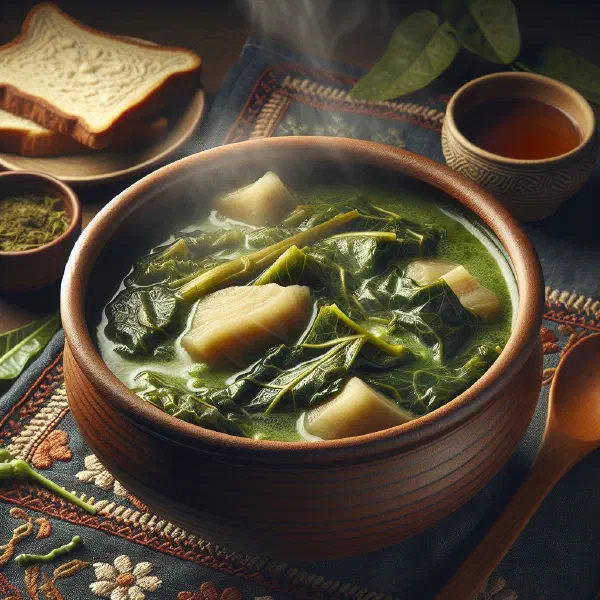
Rourou Soup is a traditional dish from the Fiji Islands that brings together the delicious, natural flavours of the region. Its star ingredient is fresh taro leaves, which have a long history in Fijian culture and are valued for their health benefits. Paired with coconut milk and a handful of aromatic spices, the leaves create an uniquely satisfying taste. This dish reflects the warm hospitality of the islands and is perfect for family get-togethers or sociable evenings, much like a steaming bowl of Taro Leaf Soup.
Ingredients (serves 1–2)
- 200 g fresh taro leaves
- 400 ml coconut milk
- 1 onion, diced
- 1 clove garlic, chopped
- 1 piece of ginger, grated
- 1 cup vegetable stock
- Salt and pepper, to taste
- 1 tablespoon olive oil or coconut oil
Shopping for the ingredients
The ingredients for Rourou Soup are fairly easy to track down. Many supermarkets stock fresh taro leaves in the fruit and vegetable aisle, and you will almost always find them in Asian or specialist grocers. Coconut milk is widely available in tins and turns up in most ordinary shops too. Try to choose good-quality spices, as they really help to intensify the flavour of the finished dish.
Preparing the dish
Before you start cooking the Rourou Soup, wash and prepare all the ingredients thoroughly. The taro leaves need to be trimmed of their stalks and any blemished patches. Finely chop the onion and garlic, then grate the ginger. These small steps matter: they ensure the aromas come through properly and give the soup a lively, varied texture.
Step-by-step instructions
- Heat the oil in a large pan and add the onion. Fry until it turns translucent.
- Add the chopped garlic and grated ginger and fry for a further minute.
- Now add the taro leaves and sauté briefly so they begin to soften.
- Pour in the coconut milk and vegetable stock and bring the mixture to the boil.
- Reduce the heat and let the soup simmer for about 20 minutes, until the taro leaves are tender.
- Season with salt and pepper, then serve piping hot.
Gluten-free / lactose-free version
Rourou Soup is naturally gluten-free and lactose-free, as it contains no gluten-based products and no dairy. That makes it ideal for anyone with intolerances or allergies. To be absolutely sure, simply check that all your ingredients, especially the stock and the coconut milk, are labelled gluten-free. You can then enjoy this wonderful dish without a single worry on your mind.
Tips for vegans and vegetarians
Rourou Soup is a brilliant choice for vegans and vegetarians, since it contains nothing of animal origin. To make it even more substantial, stir in extra vegetables such as carrots or peppers. These boost the nutritional value and bring fresh colours and textures to the bowl. If you like a bit more warmth, add chilli or spices such as turmeric.
More tips and tricks
To get the very best from your Rourou Soup, make sure all your ingredients are as fresh as possible. The quality of the taro leaves and the coconut milk has a big impact on the final flavour. You can also experiment with different herbs to layer in extra aroma. A squeeze of lime juice just before serving lifts the whole dish beautifully and adds a welcome brightness.
Adapting the recipe to your taste
The lovely thing about Rourou Soup is how easily it bends to your own preferences. If you like it creamier, simply add more coconut milk. The texture is yours to play with too: blend the soup for a velvety, smooth finish, or leave it chunky to enjoy the bite of the taro leaves.
Ingredient substitutions
If you cannot find taro leaves, other leafy greens such as spinach or chard make a fine substitute. They are easy to come by and offer a similar nutritional profile. For the coconut milk, lighter options like soya or almond drink will work, lending the soup a slightly different character. Do bear in mind, though, that swaps like these will change the flavour of the Rourou Soup.
Drink pairing ideas
Refreshing drinks pair beautifully with your Rourou Soup. Freshly pressed pineapple juice or a glass of coconut water are especially good, as they echo the tropical notes of the soup. A light white wine can also harmonise nicely, provided it is not too heavy. For an alcohol-free option, a mint lemonade is a wonderful, thirst-quenching choice.
Serving and presentation ideas
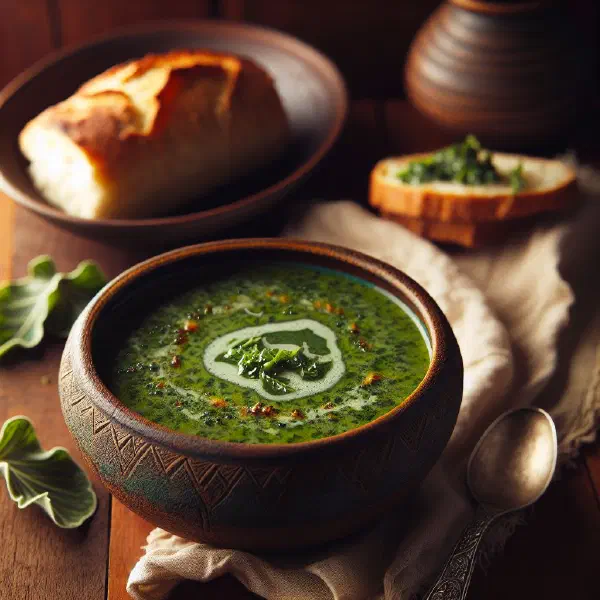
Presentation can lift your Rourou Soup to another level. Serve it in deep, colourful bowls to bring out the vivid green of the taro leaves. Finish each portion with a heaped teaspoon of coconut shavings or a scattering of fresh herbs such as coriander or parsley.
A bit of history
Rourou Soup has its roots in Fijian culture, where it is often served at feasts and celebrations. Taro is a staple food on the Fiji Islands and has long proved its worth as a versatile ingredient. The use of coconut milk is equally deep-rooted in tradition and gives so many island dishes their unmistakable flavour. By cooking this soup, you can bring a little piece of Fijian heritage into your own home, in the same spirit as the wider world of Fijian cuisine.
More recipe ideas
Summary: Rourou Soup
Rourou Soup is a striking dish that is delicious and reflects the culture and traditions of the Fiji Islands. With fresh taro leaves, creamy coconut milk and a handful of spices, it is perfect for family meals or festive occasions. Its simple preparation and the freedom to vary it to your own taste make it a firm favourite. Give Rourou Soup a try and bring a slice of tropical paradise to your table.