National Dish Fiji: Seafood and Taro Leaf Stew (Recipe)
In this article
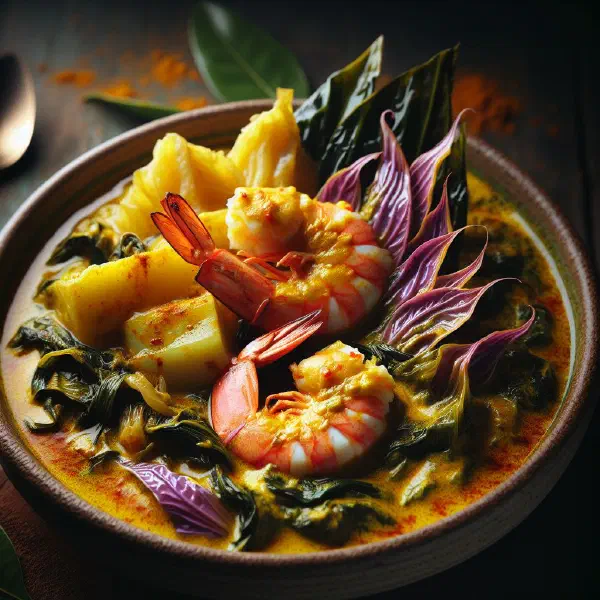
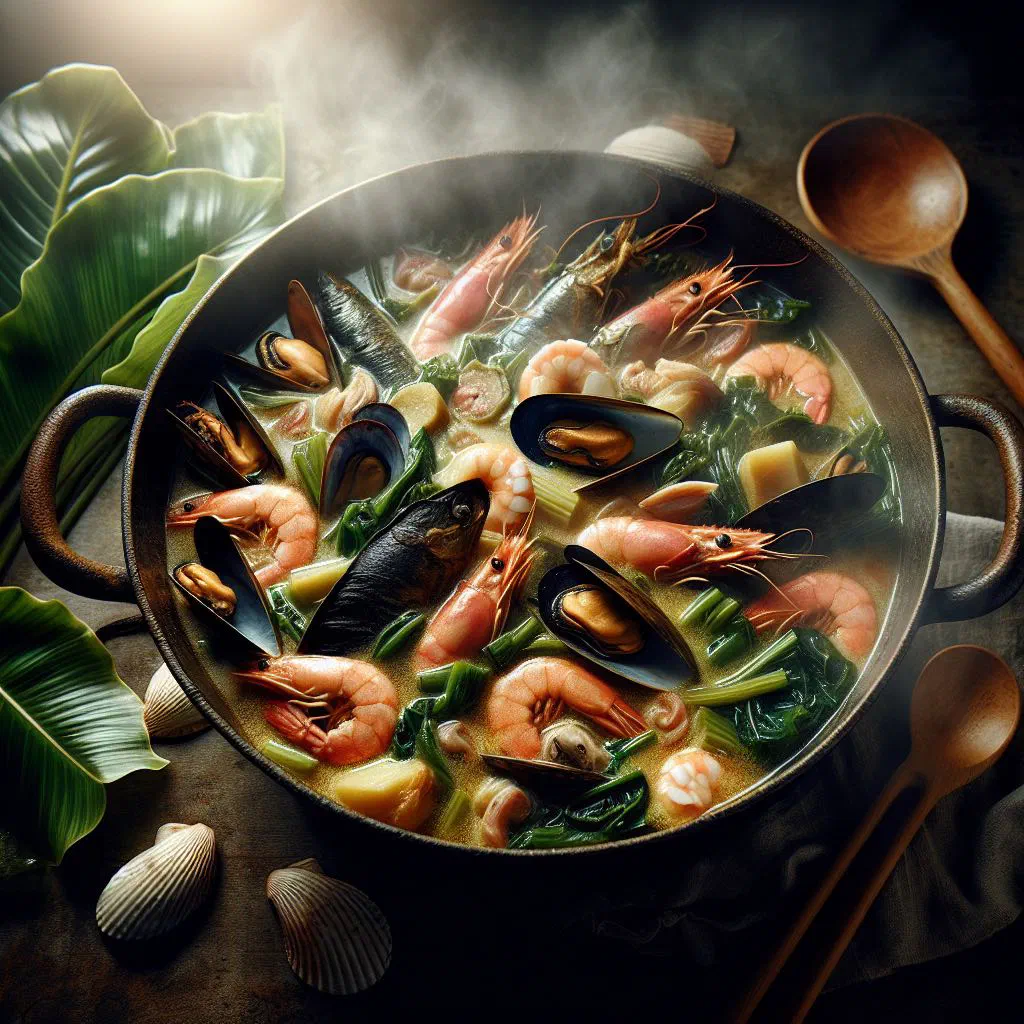
Set sail for the South Pacific with Seafood and Taro Leaf Stew, a dish that captures the very soul of the Fijian islands. Fresh seafood meets tender taro leaves in a velvety coconut milk broth, brightened with ginger, turmeric and a squeeze of lime. It is a wonderfully comforting bowl that brings the flavours of the reef and the garden together on one plate, perfect for curious cooks keen to explore the exotic tastes of Fiji.
About Seafood and Taro Leaf Stew
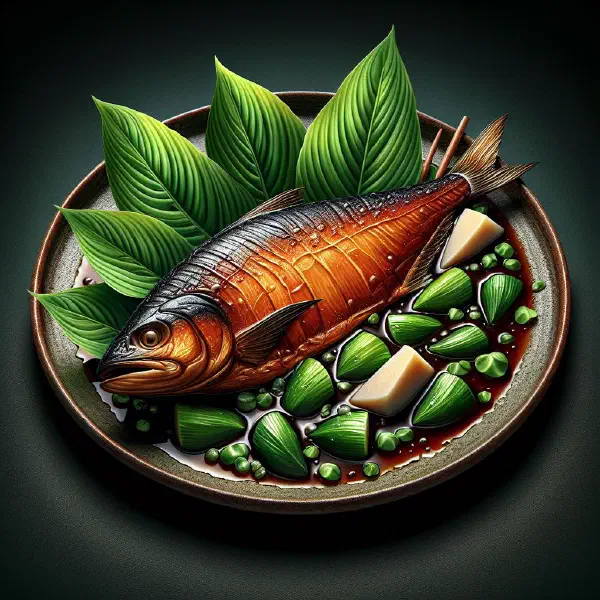
Seafood and Taro Leaf Stew is not simply a meal but a culinary experience that mirrors the essence of the Fijian islands. With its harmonious blend of fresh seafood and tender taro leaves, it marries the flavours of the sea with the traditional tastes of the region. The use of coconut milk lends a creamy texture that rounds out the dish beautifully and gives it a special character. It is a marvellous way to connect with the cultural richness of Fiji and to discover new flavours along the way.
Ingredients (serves 1–2)
- 300 g fresh seafood (e.g. prawns, mussels, fish)
- 200 g taro leaves
- 1 tin coconut milk
- 1 onion, diced
- 2 cloves garlic, chopped
- 1 teaspoon fresh ginger, grated
- 2 tablespoons fish sauce
- 1 teaspoon turmeric
- 1 lime, juice and zest
- Salt and pepper to taste
Shopping for the ingredients
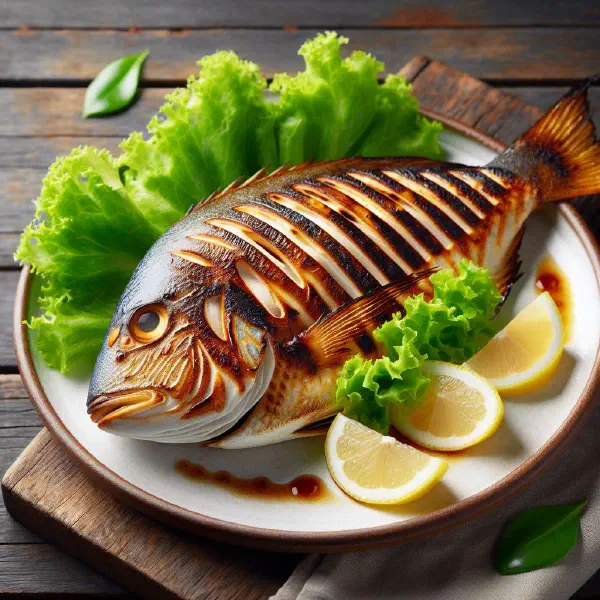
To make an authentic Seafood and Taro Leaf Stew, it pays to choose the freshest ingredients you can. Visit a local market or fishmonger to pick out the best seafood on offer. Look for taro leaves that are fresh and a bright green, as this guarantees the best quality and flavour. The remaining ingredients are easy to find in most supermarkets, which makes this dish both simple and accessible to prepare at home. Much like the cooks who shop for a Fish Suruwa, keep an eye out for whatever the catch of the day brings.
Preparing the dish
Before you begin cooking, it is important to have all your ingredients ready to go. Wash the taro leaves thoroughly to remove any grit, then cut them into small pieces. Chop the onion and garlic, and grate the ginger so it is prepared and waiting. These small steps make the cooking far more efficient and the final result all the more delicious.
Step-by-step instructions
- In a large pot, sauté the onion, garlic and ginger in a little oil until fragrant.
- Add the fresh seafood and fry briefly until just lightly cooked.
- Pour in the coconut milk and bring it up to the boil.
- Add the taro leaves, fish sauce, turmeric, lime juice and zest, then leave everything to simmer over low heat for about 15–20 minutes.
- Season with salt and pepper to taste and serve.
Gluten-free / lactose-free version
Seafood and Taro Leaf Stew is naturally gluten-free and lactose-free, provided you make sure that every ingredient meets those criteria. When buying fish sauce, check that it contains no additives that might harbour gluten. Coconut milk is an excellent lactose-free choice and contributes to the creamy consistency of the dish.
Tips for vegans and vegetarians
There are easy ways to adapt Seafood and Taro Leaf Stew for vegans and vegetarians without losing any flavour or variety. Replace the seafood with a selection of vegetables such as courgette, peppers or aubergine, all of which sit happily in the coconut sauce. You could also add tofu or tempeh for a protein-rich alternative. Be sure to swap the fish sauce for a plant-based version to round off the vegan variation. The same approach works well in a Spiced Vegetable Stew.
More tips and tricks
A few simple touches can improve your Seafood and Taro Leaf Stew. Use fresh spices to give the flavours more depth, and experiment with different seafood to suit your own taste. Stirring in fresh herbs such as coriander or parsley just before serving adds a lovely burst of freshness. As with a Coconut Crab Soup, the quality of the broth is what truly carries the dish.
Adapting the recipe to your taste
Seafood and Taro Leaf Stew is a flexible dish that adapts readily to personal preference. Add more or fewer spices depending on how much heat you enjoy. You can also vary the mix of seafood to bring different textures and flavours to the bowl. This adaptability makes it an ideal recipe for using up seasonal ingredients or leftovers.
Ingredient substitutions
If you struggle to track down certain ingredients for Seafood and Taro Leaf Stew, plenty of alternatives are on hand. Frozen seafood works just as well as fresh and is every bit as nutritious. Coconut milk can be replaced with other plant-based milks such as almond or soya, though this will alter the flavour and consistency somewhat. It is well worth trying a few different ingredients to find your perfect version.
Drink pairing ideas
A handful of drinks complement Seafood and Taro Leaf Stew beautifully. A cool, refreshing beer pairs nicely with the dish’s savoury aromas. Alternatively, a fruity cocktail built around tropical flavours such as pineapple or coconut underlines the island feel of the meal. For an alcohol-free option, a well-chilled glass of Coconut Water rounds everything off perfectly.
Serving and presentation ideas
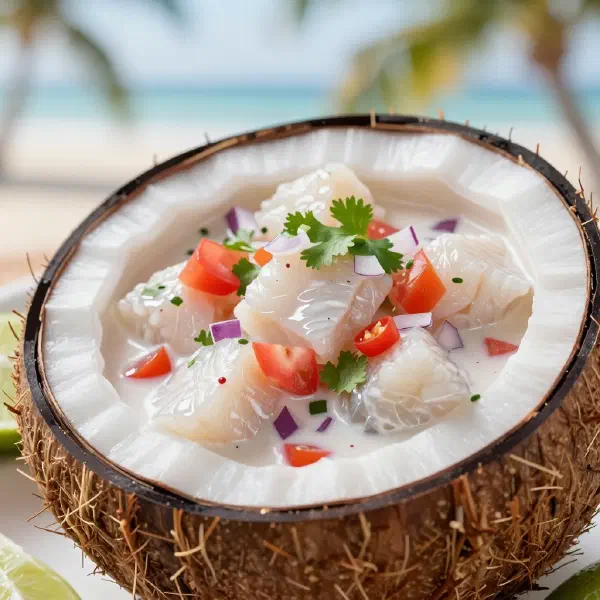
Presentation can transform the Seafood and Taro Leaf Stew experience. Serve the stew in a deep bowl or even a coconut shell to play up the tropical flair. Garnish with fresh herbs such as coriander or a few strips of lime zest for an extra splash of colour.
A bit of history
Seafood and Taro Leaf Stew reflects the history and culture of the Fijian islands. Seafood plays a central role in the diet and culture here, as the islands are surrounded by water. Taro is a staple across many Pacific island kitchens and has been used in traditional cooking for centuries. The dish is nourishing and a symbol of the Fijian connection to their environment and their culinary traditions, a thread that runs through all of Fijian cuisine.
More recipe ideas
- Seafood Coconut Stew
- Fijian Seafood Chowder
- Taro Leaf And Prawn Curry
- Taro And Fish Soup
- Grilled Prawns With Lime Butter
Summary: Seafood and Taro Leaf Stew
Seafood and Taro Leaf Stew offers a memorable taste experience and lets you discover the cultural richness of the Fijian islands. With fresh seafood and tender taro leaves in an aromatic coconut sauce, it is ideal for food lovers and adventurous cooks alike. It adapts easily to personal preference, giving everyone the chance to savour the exotic flavours of Fiji.