National Dish Fiji: Sweet Cassava Bread (Recipe)
In this article
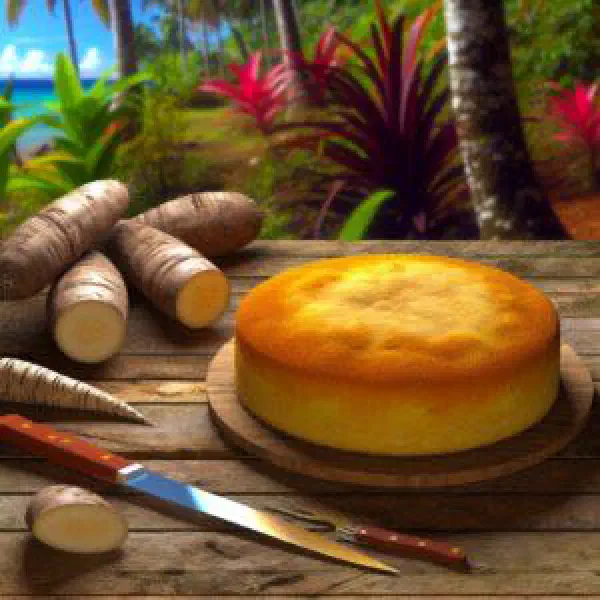
Say bula to Sweet Cassava Bread, a much-loved treat from the islands of Fiji that is as nourishing as it is delicious. Made from the humble cassava root and enriched with creamy coconut milk, this gently sweet bake carries all the easy warmth of Pacific island life. It is wonderfully simple to put together and just as happy on the table as an afternoon snack, a light dessert or a side to a bigger meal. Bring a taste of the tropics into your own kitchen.
About Sweet Cassava Bread
Sweet Cassava Bread is a traditional delicacy from Fiji, prized for being both tasty and genuinely nourishing. Made from the starchy cassava root, it offers a flavour experience all of its own, mellow, lightly sweet and pleasingly dense. It is easy to prepare and suits all kinds of occasions, whether you serve it as a snack, a dessert or a side to a main course. The flavours of the Pacific give this bread a special character that makes it a lively part of Fijian culture.
Ingredients (serves 1–2)
- 250 g cassava (fresh root or ready-made flour)
- 100 g sugar
- 1 teaspoon baking powder
- 250 ml coconut milk
- 1 pinch of salt
- 2 tablespoons butter or vegetable oil
Shopping for the ingredients
The best ingredients for this bread are usually found at a local Asian grocery or a well-stocked supermarket. If you plan to prepare it from scratch, look for fresh cassava roots that feel firm and unblemished. For the simpler version it is worth choosing a good-quality coconut milk, as this is what intensifies the sweet, creamy flavour. Your choice of sugar matters too, reach for brown sugar if you want a deeper, more caramel-like sweetness.
Preparing the dish
Before you start baking, gather all your ingredients so everything is ready to hand. If you are using fresh cassava, the roots need to be peeled, washed and cut into chunks. Alternatively you can use pre-made cassava flour, which simplifies the process considerably. Make sure you also have the right kitchen kit ready, such as a mixing bowl, a whisk and a baking tin.
Step-by-step instructions
- Blend the cassava in a blender or food processor until you have a fine, smooth paste.
- In a large bowl, combine the cassava paste with the sugar, baking powder, coconut milk and salt.
- Stir well until everything is evenly mixed and you have a smooth, lump-free batter.
- Fold in the butter or oil and mix thoroughly.
- Pour the mixture into a greased baking tin and bake in a preheated oven at 180 °C for about 25–30 minutes.
- The bread is ready when the top is golden brown and a skewer comes out clean.
Gluten-free / lactose-free version
Sweet Cassava Bread is naturally gluten-free, since cassava contains no gluten at all. For a lactose-free version, simply swap the butter for vegetable oil or a plant-based margarine. Just take care that all your ingredients, especially the coconut milk, are genuinely lactose-free. These small adjustments make the recipe ideal for anyone with food allergies or intolerances.
Tips for vegans and vegetarians
For a vegan version of this bread, replace the butter with a vegetable oil. It is also worth checking that the sugar you use contains no animal-derived products. These tweaks are all it takes to keep the recipe fully plant-based. The coconut milk is a real bonus here, as it lends a lovely creaminess with no animal origin whatsoever.
More tips and tricks
To make the bread even more aromatic, try adding spices such as cinnamon or vanilla. They make each slice sweeter and far more interesting on the palate. You can also experiment with extras like nuts or dried fruit to add texture and a little more nutrition. Let yourself be creative and adapt the recipe to whatever you fancy.
Adapting the recipe to your taste
Sweet Cassava Bread is a flexible recipe that is easy to tailor to your own preferences. Add chocolate chips or a handful of mixed fruit, for instance, to layer in extra flavour. A touch more sugar will make the bread sweeter still if you have a sweet tooth. Just keep an eye on the balance of the ingredients whenever you experiment. For more island baking inspiration, take a look at the wider world of Fijian cuisine.
Ingredient substitutions
If you cannot get hold of cassava, a blend of other gluten-free flours such as rice flour or cornmeal makes a good stand-in. For a more natural sweetness, swap the sugar for honey or agave syrup. These alternatives bring new flavours and a little extra nutrition along the way. You could also use almond milk in place of coconut milk for a different note, much as you might in a Coconut Tapioca Pudding.
Drink pairing ideas
A slice of Sweet Cassava Bread goes beautifully with freshly pressed juices or a glass of coconut water, both of which echo the tropical character of the dish. Herbal teas, such as peppermint, also work well to balance the bread’s sweetness. A cool drink like a refreshing Limeade is another fine match, especially on warm days. Feel free to mix and match different drinks to broaden the experience.
Serving and presentation ideas
To serve your cassava bread attractively, cut it into neat pieces and arrange them on a decorative plate. A fresh mint leaf or a thin slice of lime makes a simple, pretty garnish. You could also offer a little dip of grated coconut or jam alongside to lift the presentation further. Think about colour and arrangement to create a spread that feels genuinely inviting.
A bit of history
Sweet Cassava Bread has a long tradition in the kitchens of Fiji and is a symbol of regional culture. Cassava is a staple food across many tropical regions, valued because it is easy to grow and highly nourishing. The bread is often served as part of festivities and special gatherings. It reflects the history and way of life of the people of Fiji, who have long built their cooking around nature and its resources.
More recipe ideas
Summary: Sweet Cassava Bread
Sweet Cassava Bread is a delicious and nourishing speciality from Fiji that is genuinely easy to make. With just a handful of well-chosen ingredients, you can bring the authentic taste of the Pacific to your own table. The recipe’s versatility means there is always room to make adjustments and experiment. Enjoy this lovely bread and bring a little Fijian joie de vivre into your kitchen.