National Dish Fiji: Taro and Coconut Bread (Recipe)
In this article
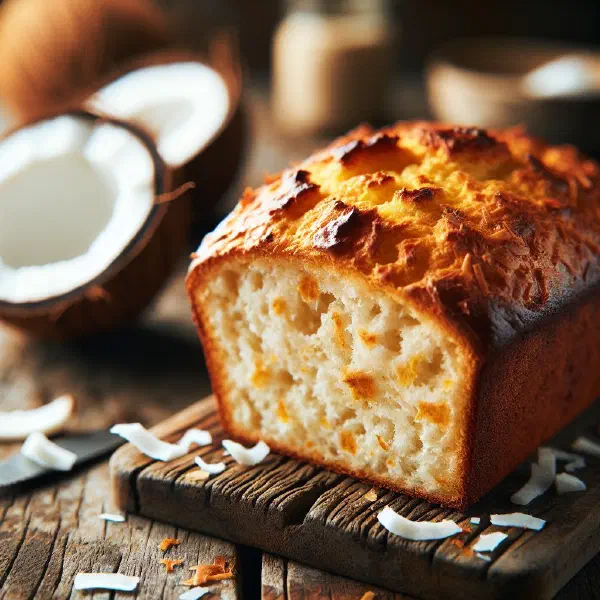
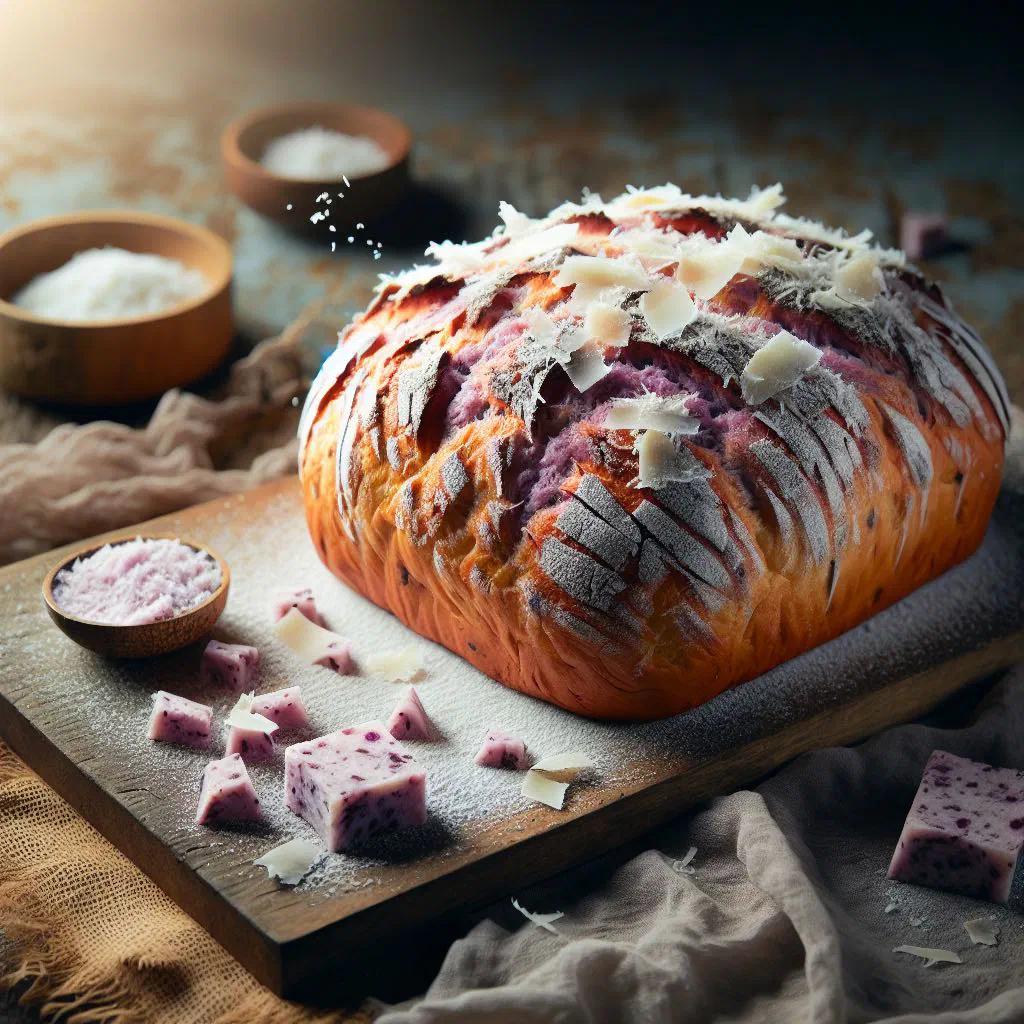
Say hello to taro and coconut bread, a wonderful highlight of Fijian island baking that wins everyone over with its gentle blend of nutty and sweet flavours. Earthy taro gives the loaf a soft, tender crumb, while creamy coconut lends a mellow sweetness that makes it a treat any time of day. Enjoy it warm from the oven or cool with a cup of tea. Every slice is a little taste of the South Pacific.
About Taro and Coconut Bread
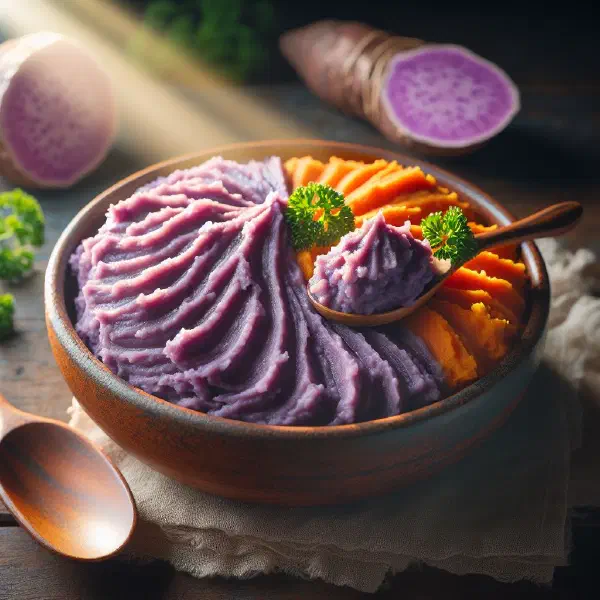
Taro and coconut bread is an absolute highlight of Fijian cooking, prized for its unique combination of nutty and sweet flavours. Taro, a starchy tuber, is celebrated for its high nutrient content and gives the loaf a wonderfully fine texture. The coconut brings a creamy sweetness that turns the bread into a perfect snack or a delicious side. Every slice is a genuine treat for the senses and a lovely introduction to Fijian cuisine.
Ingredients (serves 1–2)
- 200 g taro, peeled and diced
- 100 ml coconut milk
- 50 g sugar
- 1 tsp baking powder
- 1 pinch of salt
- 100 g flour (e.g. wheat or gluten-free flour)
- 2 tbsp desiccated coconut
Shopping for the ingredients
When shopping for taro and coconut bread, it is well worth paying attention to the quality of the ingredients you choose. Taro is available in many Asian and tropical grocers and markets. Look for tubers that feel firm and are free of blemishes or soft spots. The coconut milk should be of good quality too, so the loaf delivers the best possible flavour.
Preparing the dish
Before you start making the taro and coconut bread, peel the taro thoroughly and cut it into small cubes. This makes it easier to cook and helps it soften evenly. Place the diced taro in a pan of water and bring it to the boil. Let the taro simmer for around 15 minutes until it is soft enough to be mashed easily with a fork.
Step-by-step instructions
- Drain the cooked taro and mash it with a fork or a potato masher.
- In a large bowl, mix the taro mash thoroughly with the coconut milk, sugar, baking powder and salt.
- Add the flour a little at a time and stir everything into a smooth, even dough.
- Spoon the dough into a greased loaf tin and scatter the desiccated coconut evenly over the top.
- Bake in a preheated oven at 180°C for around 30–40 minutes, until the loaf is golden brown.
- Once baked, turn the bread out of the tin and leave it to cool on a wire rack.
Gluten-free / lactose-free version
For the gluten-free version of taro and coconut bread, simply use a blend of gluten-free flours such as rice flour and potato starch. Make sure your coconut milk and any other ingredients are gluten-free too. As the recipe relies on coconut milk as its sole liquid, it is naturally suited to anyone avoiding lactose, so you can keep it just as delicious for those who steer clear of dairy.
Tips for vegans and vegetarians
Taro and coconut bread is naturally vegan, which makes it an ideal choice for a plant-based diet. To deepen the sweetness, you can reach for alternative sweeteners such as agave syrup or stevia. Adding vegan nuts or seeds is another lovely way to enrich the loaf and give it a little more texture. Experiment with different flavours to create your own perfect vegan bread.
More tips and tricks
To get the best result when baking taro and coconut bread, take care not to over-mix the dough, so it keeps its lightness. You can also fold in extras such as cinnamon or vanilla to discover new flavour notes. Baking time is another key factor. Every oven behaves a little differently, so keep an eye on the loaf as it bakes and watch for that golden-brown colour. Let it cool completely before slicing for the cleanest cut.
Adapting the recipe to your taste
If there are ingredients in the taro and coconut bread you would rather leave out or simply cannot find, they are easy to adapt. Try different types of flour, or add dried fruit such as raisins or mango for extra sweetness and flavour. The level of sweetness can be adjusted to suit you too. Use less sugar for a less sweet loaf.
Ingredient substitutions
For taro and coconut bread you can happily try other ingredients as you please. Instead of sugar, use honey or syrup, though the consistency of the dough may shift slightly. Soya milk or almond milk make great alternatives to coconut milk, giving the loaf a different but equally delicious flavour. Get creative and discover new combinations, much as you might when making Coconut Bread or Pumpkin Bread.
Drink pairing ideas
Taro and coconut bread pairs beautifully with a wide range of drinks. Enjoy it with a cup of freshly brewed tea, whether black or herbal, which complements the loaf’s flavours wonderfully. Fresh fruit juices or an exotic pineapple and mango smoothie work splendidly too. For something especially refreshing, try a glass of Coconut Water alongside.
Serving and presentation ideas
To present the taro and coconut bread attractively, cut it into even slices and arrange them on a pretty plate. Decorate the bread with some fresh fruit or a sprig of mint to add both colour and an extra hit of freshness. When entertaining guests, you could also cut the slices into small portions and thread them onto skewers to serve as appetising little bites.
A bit of history
Taro and coconut bread is deeply rooted in Fijian culture and reflects the rich culinary tradition of the region. Taro is one of the oldest crops grown on the Fijian islands, while coconuts are treasured for their many uses in Fijian cooking and daily life. This bread is a staple food and a symbol of hospitality and the island way of living. The recipe is often handed down from generation to generation and remains a much-loved part of Fijian cooking, sitting comfortably beside classics such as Lolo Buns.
More recipe ideas
- Coconut Bread
- Coconut Pancakes
- Mango Salad
- Grilled Fish With Coconut Sauce
- Fruit Salad With Coconut Cream
Summary: Taro and Coconut Bread
Taro and coconut bread is a delicious and nourishing choice that appeals to with light yet full-bodied flavours. It works beautifully as a snack or a side and offers plenty of room for adjustments and variations. Whether vegan, gluten-free or enriched with special ingredients, this recipe is easy to shape around your own tastes. Let it inspire you and enjoy a real taste of Fijian cooking.