National Dish Fiji: Taro and Sweet Potato Mash (Recipe)
In this article
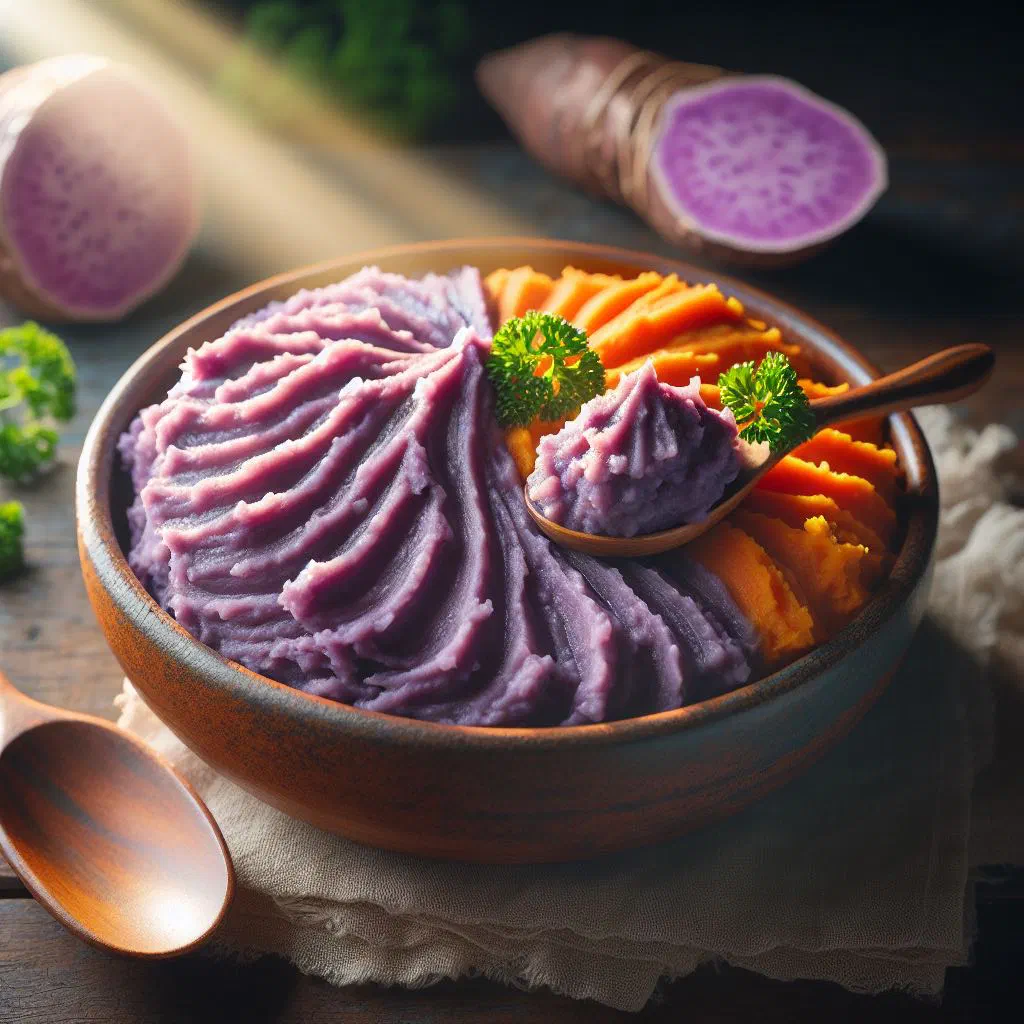
Say bula to Taro and Sweet Potato Mash, a comforting island side that brings the warmth of the South Pacific straight to your table. This silky mash marries the earthy depth of taro with the gentle sweetness of sweet potato, all loosened with a splash of creamy coconut milk and a squeeze of lime. Served alongside grilled fish or enjoyed as a hearty plant-based main, it is wholesome, nourishing and a genuine feast for the senses.
About Taro and Sweet Potato Mash
Taro and Sweet Potato Mash is a traditional dish from Fiji that captures the very essence of tropical flavours and home-grown ingredients. This creamy side brings together earthy taro and the natural sweetness of sweet potatoes for a uniquely satisfying eating experience. Presented alongside grilled meat or served as a vegan main course, it is both nourishing and a delight to eat. Enjoy the burst of flavour that comes with every forkful — a true taste of the islands.
Ingredients (serves 1–2)
- 300 g taro
- 300 g sweet potatoes
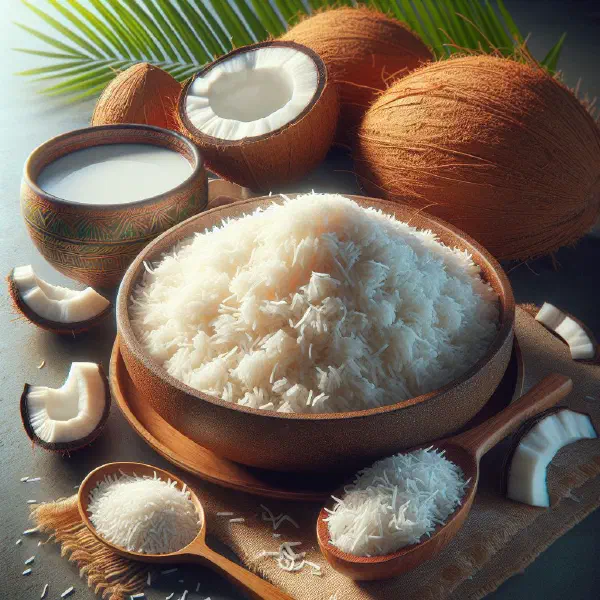
- 50 ml coconut milk
- 1 tsp salt
- 1 tbsp lime juice
- Fresh herbs, to garnish (such as coriander or parsley)
Shopping for the ingredients
The ingredients for Taro and Sweet Potato Mash are fairly easy to come by, though taro is not always stocked in every supermarket. Asian or international grocers are your best bet for tracking it down. When choosing sweet potatoes, look for firm specimens free of soft spots to ensure the best quality. Coconut milk is usually sold in tins and can be found in any larger supermarket — much as it features in a rich Coconut Eggplant Curry.
Preparing the dish
Before you begin, give both the taro and the sweet potatoes a thorough wash to remove any soil and grit. Peel both vegetables carefully, as raw taro skin can sometimes irritate the skin. Cut them into evenly sized pieces so they cook at the same rate. This helps everything turn tender together and gives you the smooth, creamy texture you are after.
Step-by-step instructions
- Bring a large pan of water to the boil.
- Add the prepared taro and sweet potato pieces.
- Cook for 15–20 minutes, or until soft.
- Drain off the water and tip the vegetables into a bowl.
- Add the coconut milk, salt and lime juice.
- Mash the mixture with a fork or potato masher until you reach the consistency you like.
- Garnish with fresh herbs and serve warm.
Gluten-free / lactose-free version
This recipe is naturally gluten-free and lactose-free, as it contains no gluten-based ingredients or dairy. Using coconut milk gives the mash a wonderful creaminess and makes a superb plant-based alternative to conventional dairy. When shopping, choose a tinned or well-packaged coconut milk free from artificial additives. That way the dish stays both healthy and full of flavour for everyone at the table.
Tips for vegans and vegetarians
For vegans and vegetarians, this recipe is a brilliant starting point, since every ingredient is plant-based. To boost the nutritional value, you can fold in some leafy greens such as spinach or kale, much like the greens that star in Stir Fried Bele Leaves. These additions lift both the goodness and the colour of the plate. For a little kick, try stirring through some chilli flakes or fresh chilli.
More tips and tricks
To deepen the flavour of your Taro and Sweet Potato Mash, try roasting the sweet potatoes first. This lends the tubers an extra layer of rich, caramelised aroma. Take care not to over-mash the mixture, as a slightly coarse texture gives a pleasing bite. Experiment with different herbs to add your own personal touch and discover new layers of flavour along the way.
Adapting the recipe to your taste
This recipe is wonderfully versatile and easy to tailor to personal preference. You might vary the amount of coconut milk depending on how creamy you like your mash. If you fancy something a little punchier, add garlic or ginger to the mix. Look forward to empty plates by trying out new flavour combinations and even folding in regional spices of your own.
Ingredient substitutions
If taro is hard to find, parsnip or carrot make a fine swap, giving you a different but equally delicious mash. The sweet potatoes can likewise be replaced with similar tubers such as pumpkin or Jerusalem artichoke. Each alternative brings its own character and adds variety to your table — the same spirit of substitution that works well for Cassava and Pumpkin Mash. Be creative and do not be afraid to try different combinations.
Drink pairing ideas
To round off the Taro and Sweet Potato Mash, fresh fruit juices and tropical cocktails make excellent companions. A refreshing Mango Juice or a classic piña colada beautifully echoes the dish’s island flavours. For an alcohol-free option, a glass of Coconut Water complements the tropical notes perfectly. Let your imagination run free when it comes to choosing the drinks.
Serving and presentation ideas
Presentation plays an important part when serving Taro and Sweet Potato Mash. Use an attractive bowl to plate the dish and garnish it with fresh herbs for a touch of colour. You might also scatter over a few crispy fried onions or grilled nuts to add extra texture. Be sure to serve it warm, so the flavours and creamy consistency come through at their best.
A bit of history
Taro and Sweet Potato Mash is not only a delicious side but also a dish with rich cultural significance in Fiji. Within traditional communities, taro has been cultivated and treasured as a staple food for centuries. The pairing of taro and sweet potato symbolises access to the nourishing, natural ingredients that lie at the heart of Fijian cuisine. This tradition continues to be cherished as a way of preserving the cultural identity and roots of the Fijian people.
More recipe ideas
- Roasted Garlic and Taro Mash
- Sweet Potato Mash With Honey
- Mashed Pumpkin With Coconut Cream
- Boiled Dalo With Coconut Chutney
- Taro and Coconut Stew
Summary: Taro and Sweet Potato Mash
With its rich flavour and simple preparation, Taro and Sweet Potato Mash is a superb addition to any meal. The dish is not only healthy but also a wonderful way to experience the exotic flavours of Fijian cuisine. Its versatility makes it the perfect side or even a main course for anyone who appreciates plant-based food. Give it a go today and bring a little piece of Fiji straight into your own kitchen.