National Dish Finland: Marjakiisseli (Recipe)

In this article
Discover Marjakiisseli, the berry dessert that tastes like a Finnish summer in a bowl. Made with nothing more than ripe berries, a little sugar and a spoonful of starch, it sits somewhere between a fruit soup and a soft-set jelly, silky, glowing red and wonderfully refreshing. It is the kind of sweet finish that suits a festive dinner just as well as a quiet evening at the cottage.
About Marjakiisseli
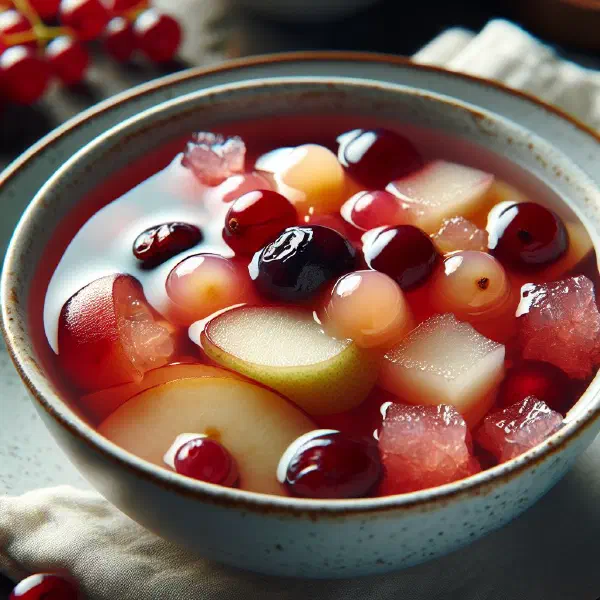
Marjakiisseli is a traditional Finnish dessert built from fresh berries and a smooth, lightly thickened base. It is often described as a cross between a pudding and a jelly, at once sweet and refreshing. The dish is especially popular in the summer months, when berries are at their peak and the forests are full of them. Beyond its flavour, Marjakiisseli is also remarkably easy to make and calls for only a handful of ingredients, one reason it appears on Finnish tables all year round.
Ingredients (serves 1–2)
- 200 g fresh berries (strawberries, raspberries or blueberries)
- 250 ml water
- 2 tablespoons sugar (adjust to taste)
- 1 tablespoon cornflour
- 1 teaspoon vanilla sugar (optional)
- A squeeze of lemon juice
Shopping for the ingredients
To make Marjakiisseli you need fresh berries plus a few storecupboard basics: water, sugar and cornflour. Where you can, visit a local market or farm stall to pick up the freshest berries available in your area. Avoid fruit that is underripe or past its best, as this has a direct effect on the flavour of the finished dessert. Fresh ingredients are the key to getting the most out of this Finnish classic.
Preparing the dish
Preparing Marjakiisseli is refreshingly straightforward and takes only a few minutes. Begin by washing the berries thoroughly and cutting any larger fruit, strawberries, for instance, into smaller pieces. Next, mix together the sugar and starch that give the dessert its characteristic silky set. Have your serving glasses or bowls ready before you start, since the mixture is easiest to pour while still warm.
Step-by-step instructions
- Put the washed berries in a saucepan and combine with the water and lemon juice.
- Bring the mixture to the boil and simmer for 5–7 minutes, until the berries are soft.
- In a separate bowl, mix the sugar and cornflour together thoroughly.
- Stir a little of the hot berry mixture into the sugar and starch to loosen it into a smooth slurry.
- Pour the loosened mixture back into the pan and stir well.
- Reduce the heat and cook for a further 2–3 minutes, until the mixture thickens.
- Take the Marjakiisseli off the heat, pour into bowls, leave to cool and serve.
Gluten-free / lactose-free version
Marjakiisseli is naturally gluten-free and lactose-free, since it contains neither wheat flour nor dairy. The ingredients you use, fresh berries, sugar and starch, are all free from gluten as they come. If you follow a particular diet, you can adjust the recipe further without touching its basic structure. This is a dessert you can serve with confidence to almost any table.
Tips for vegans and vegetarians
The recipe is ideal for vegans, as every ingredient is plant-based from the outset. Simply take care that no animal products creep in, and reach for plant-based sweeteners if you want to fine-tune the sugar content. Swapping the water for unsweetened apple juice adds gentle sweetness while keeping everything entirely natural, the same easy approach that works for a bowl of Vispipuuro.
More tips and tricks
To take Marjakiisseli further, combine several kinds of berries for a more layered flavour. Experiment with a little extra starch for a firmer texture, or hold back on the sugar if you prefer a sharper, fruitier result. A spoonful of whipped cream or a plant-based alternative on top adds a touch of luxury. The scope for variation is all but endless.
Adapting the recipe to your taste
Every cook has their own preferences, and Marjakiisseli takes to them happily. If you enjoy the tartness of the fruit, use less sugar or add sharp berries such as redcurrants. If you like things sweeter, simply increase the sugar a little. Warm spices such as cinnamon or ginger can also lend the dessert an intriguing edge, much as they do in Puolukkahillo.
Ingredient substitutions
Unsweetened apple purée in place of sugar is an excellent way to control the sweetness while cutting back on calories. Instead of cornflour you can use potato starch or arrowroot, both of which produce a similar texture. If fresh berries are out of season, frozen or preserved fruit works perfectly well. The flavour will shift slightly, but the pleasure of the dessert stays the same.
Drink pairing ideas
Marjakiisseli goes beautifully with light, lively drinks such as fruity sparkling water or a glass of white wine. A refreshing herbal tea makes an equally good partner, particularly after a heavier meal. You could also blend a fruit smoothie to echo the flavours in the bowl. Combinations like these round the whole experience off nicely.
Serving and presentation ideas
Presentation can lift Marjakiisseli considerably. Serve it in pretty glasses or shallow bowls and garnish with fresh berries, mint leaves or a spoonful of cream. The contrast of deep colours and smooth texture makes the dessert genuinely eye-catching. For a party, set out a small spread of berries and toppings so guests can build their own version, an idea that works just as well with Marjarahka.
A bit of history
Marjakiisseli has its roots in the Finnish countryside, where it was traditionally made from whatever berries the surrounding forests produced in abundance. The dish is an everyday favourite and a fixture at feasts and celebrations. Countless regional and seasonal variations exist across the country, from lingonberry to cloudberry, and the same berry-first spirit runs through much of Finnish cuisine. That variety reflects the close bond between Finns and the natural world around them.
More recipe ideas
Summary: Marjakiisseli
Marjakiisseli is a wonderful example of the simple yet deeply flavourful desserts of Finnish cooking. With its fresh ingredients and uncomplicated method, it suits almost any occasion. It wins people over with its versatility. Give the recipe a try and bring a taste of Finland into your own kitchen.