National Dish Finland: Ruisleipä (Recipe)
In this article
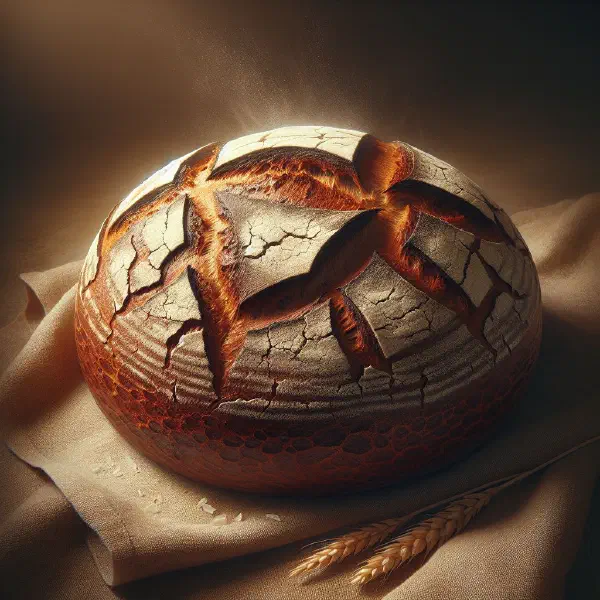
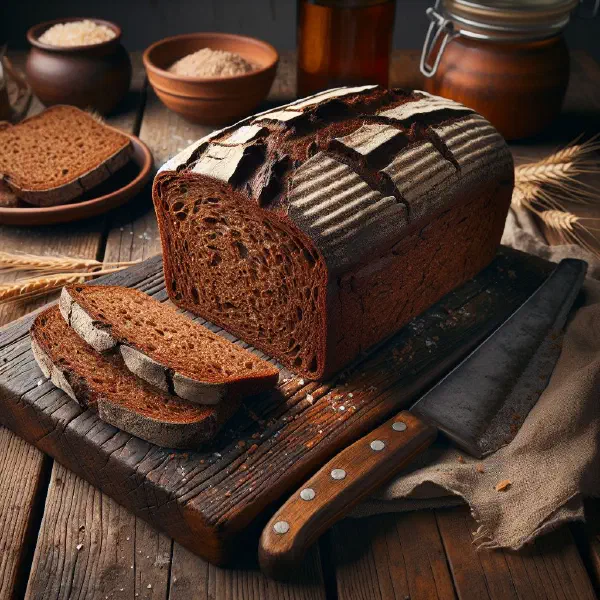
Meet Ruisleipä, the dark rye loaf that Finns have leaned on for generations. More than everyday sustenance, this dense, wholesome bread is woven into Finnish culture itself. Its deep colour and hearty, faintly nutty flavour come from good rye flour, and the chewy crumb makes it a natural partner for buttered slices, savoury toppings or a simple snack. Baking it at home is refreshingly straightforward, and every bite carries a taste of the Finnish table.
About Ruisleipä
Ruisleipä, the traditional rye bread of Finland, is a staple food and a symbol of Finnish culture. It is made from rye flour, which gives the loaf its characteristic dark colour and deep, savoury flavour. The bread’s dense, nutty texture makes it a perfect companion to all manner of dishes, or simply spread with a little butter as a snack. Generations of Finns have treasured this bread, and it remains a firm fixture of their diet.
Ingredients (serves 1–2)
- 250 g rye flour
- 1 tsp salt
- 1 tsp honey or sugar
- 200 ml water (lukewarm)
- 1 tsp dried yeast
Shopping for the ingredients
To bake Ruisleipä, the ingredients are easy to find in most supermarkets. Rye flour is usually stocked in the baking aisle, and it is worth choosing freshly milled flour for the best flavour. Dried yeast is another key ingredient, helping the bread rise beautifully and lending it an airy structure. A quick trip to your local shop should cover everything you need.
Preparing the dish
Before you begin making Ruisleipä, it helps to have all your ingredients ready to hand. Start by weighing out the rye flour and measuring the lukewarm water. The honey or sugar, which acts as the sweetener, should be at the ready too. Having everything prepared makes the baking process far smoother and lets you work at a relaxed pace.
Step-by-step instructions
- In a large bowl, combine the rye flour and the salt.
- In a separate bowl, dissolve the dried yeast in the lukewarm water and stir in the honey or sugar.
- Slowly add the yeast mixture to the dry ingredients and mix everything together well.
- Knead the dough until it reaches a smooth, supple consistency.
- Return the dough to the bowl, cover with a cloth and leave to prove in a warm spot for about 1 hour.
- Knead the risen dough again, transfer it to a loaf tin and let it rest for a further 30 minutes.
- Preheat the oven to 200°C and bake the bread for around 40 minutes.
- Remove the finished loaf from the oven and let it cool on a wire rack before slicing.
Gluten-free / lactose-free version
Making a gluten-free version of Ruisleipä calls for special gluten-free flours to replace the rye. Popular alternatives include rice flour, oat flour or a ready-made gluten-free flour blend. Make sure every other ingredient is gluten-free too, so the finished loaf contains no traces of gluten. For a lactose-free version, simply reach for lactose-free alternatives, which won’t compromise the bread’s flavour in the slightest.
Tips for vegans and vegetarians
For vegans, Ruisleipä is a great choice, since the recipe contains no animal products at all. To keep it entirely plant-based, use sweeteners such as agave syrup or maple syrup in place of honey. Vegetarians, too, should keep an eye on where their ingredients come from, especially when using anything with additives. Mindful choices like these support both your own lifestyle and the wider environment.
More tips and tricks
For the perfect Ruisleipä, a few simple pointers go a long way. If the dough looks too dry, add a splash more water to improve the consistency. If you prefer a crisper crust, mist a little water into the oven while the bread bakes. Take care not to over-knead the dough, as this can affect the loaf’s structure. Follow these steps and you’ll be rewarded with a hearty, flavoursome result.
Adapting the recipe to your taste
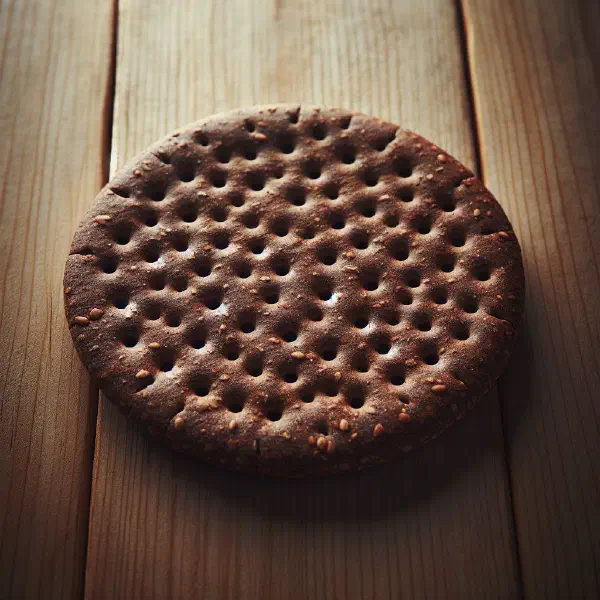
Tailoring the Ruisleipä recipe can be great fun and adds extra layers of flavour. If you’re feeling adventurous, try folding different seeds such as linseeds or sunflower seeds into the dough for added texture and taste. Spices like caraway or fennel can introduce intriguing new notes too, much as they would in a crisp bake of Hapankorppu. Share your own creations with friends and family, and enjoy the many possibilities this bread has to offer.
Ingredient substitutions
If you don’t have dried yeast to hand, you can use fresh yeast instead, adjusting the ratio accordingly. Another option is to let the dough rise without yeast at all, though this tends to produce a denser loaf. Rye flour generally cannot be swapped one-for-one with wheat flour if you want to keep that distinctive flavour. Experiment with different types of flour to create your own favourite bread.
Drink pairing ideas
The heart of the Finnish bread basket, Ruisleipä pairs beautifully with a wide range of drinks. A savoury slice goes wonderfully with a good glass of red wine or a refreshing craft beer that echoes the bread’s nutty notes. For an everyday meal, a cup of black coffee or aromatic tea might be the perfect choice. The right drink can lift the whole experience and reward the effort of baking.
Serving and presentation ideas
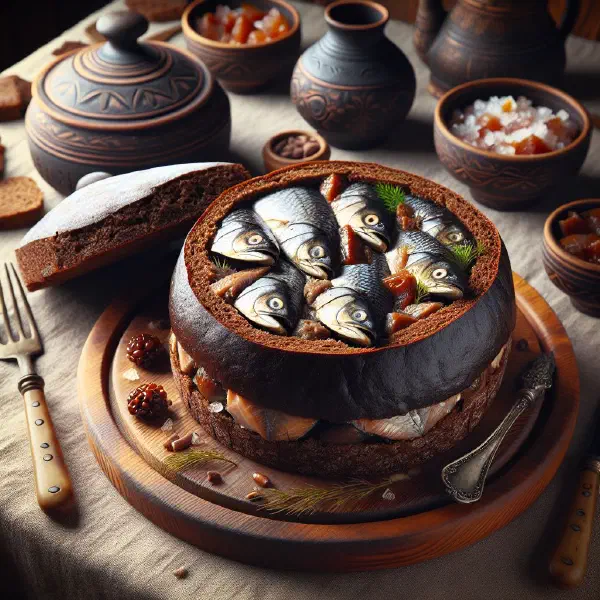
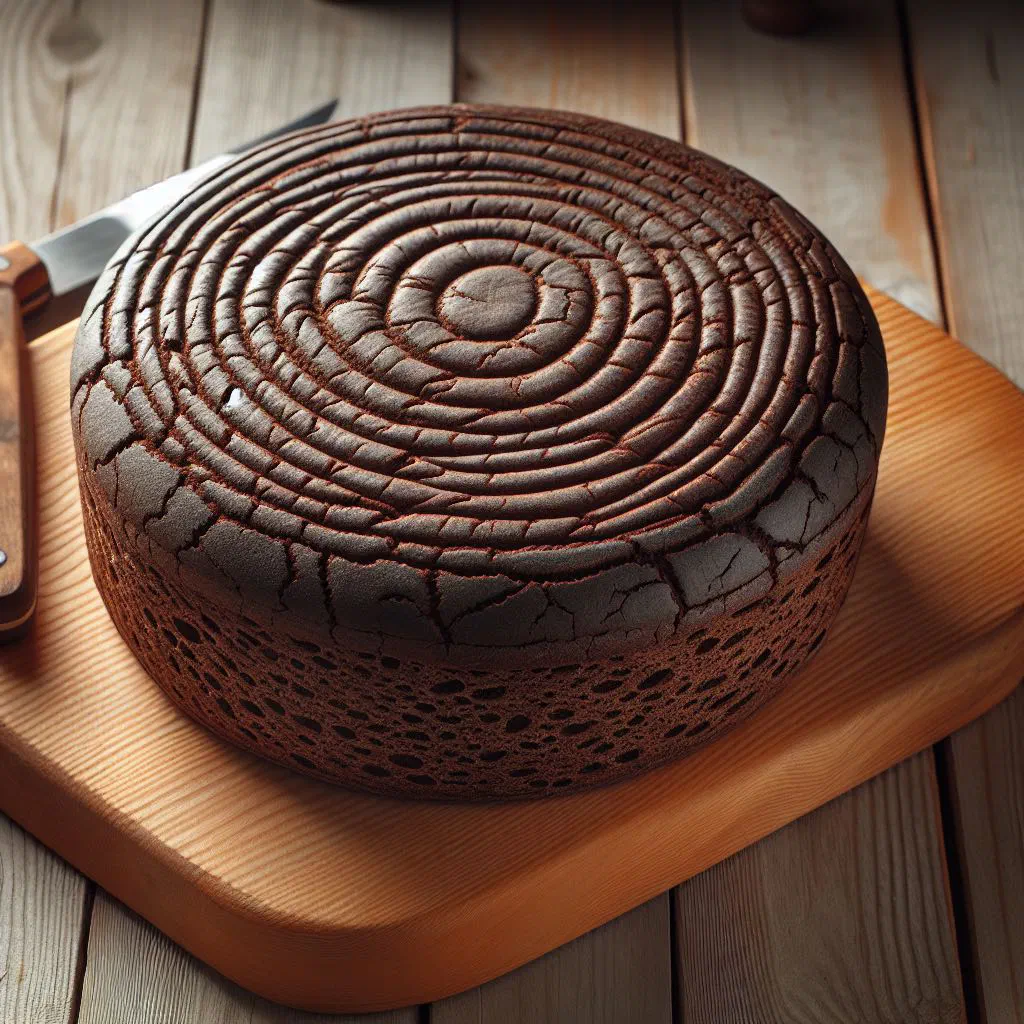
A well-presented Ruisleipä can elevate any meal. Serve the bread fresh from the oven on a rustic wooden board, alongside a spread of toppings such as butter, cream cheese or even smoked salmon. A decorative cut surface shows off the loaf’s handsome density. Add fresh herbs or edible flowers to create an inviting, appetising display.
A bit of history
The tradition of Ruisleipä reaches back to the earliest chapters of Finnish history. Rye was the principal grain in Finland centuries ago, used as a staple food across many regions. As in other Nordic countries, rye bread is superbly suited to the harsh climate. This loaf is not merely something to eat but a piece of cultural heritage, reflecting the deep bond between the Finns and their landscape, a connection that runs through so much of Finnish cuisine.
More recipe ideas
Summary: Ruisleipä
In short, Ruisleipä is far more than a simple loaf of bread. It brings together the hearty flavours of Finland and is a staple that is remarkably easy to bake at home. With its dense texture and nutty taste, it lends itself to countless uses in the kitchen, whether as a side to main dishes or as a snack between meals. Try weaving this traditional recipe into your own cooking, and savour a slice of Finnish culture with every bite.