National Dish France: Beef Wellington (Recipe)
In this article
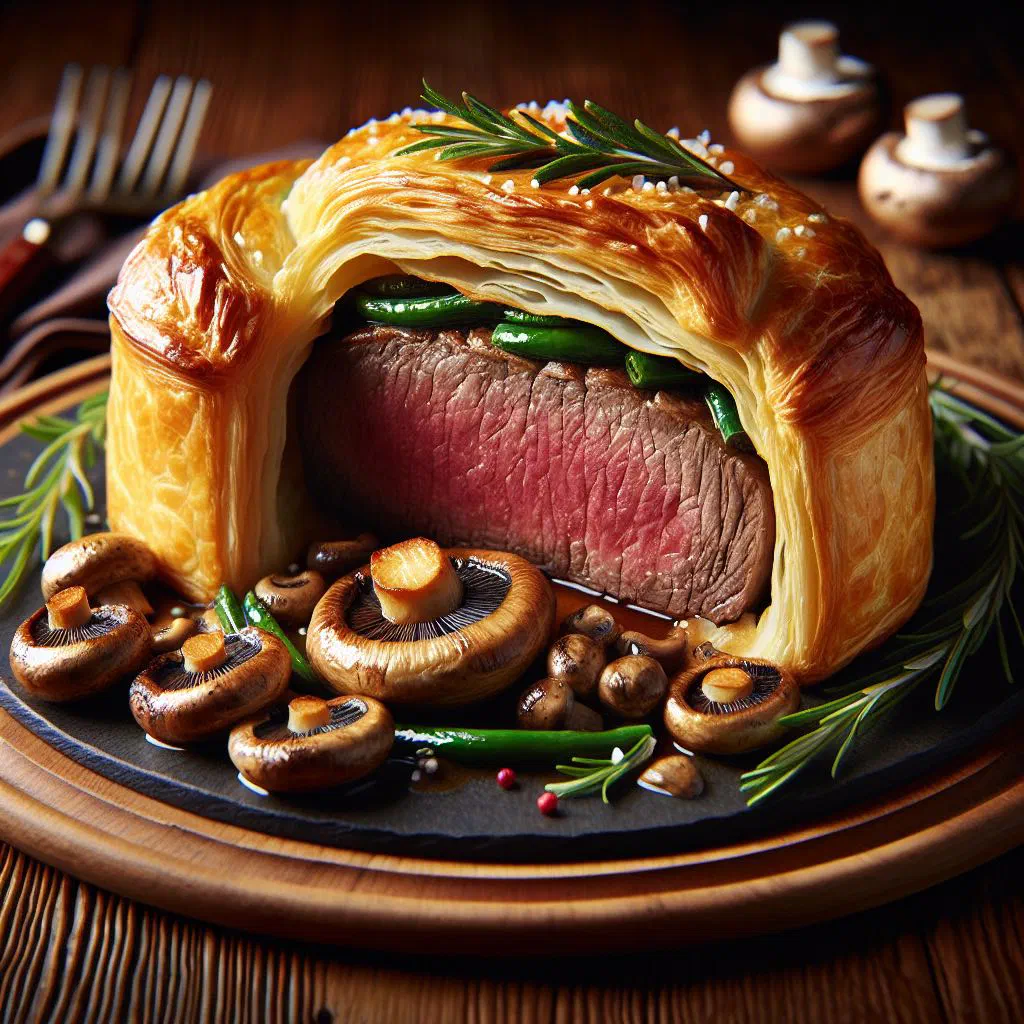
Few dishes capture the elegance of the French festive table quite like Beef Wellington. Tender beef fillet is wrapped in a savoury mushroom duxelles, draped in delicate prosciutto and sealed inside crisp, golden puff pastry. The result is a showstopping centrepiece that pairs juicy, rosy meat with an aromatic filling and a buttery, flaky crust. It takes a little patience and care, but the reward is a true masterpiece worthy of any celebration.
About Beef Wellington
Beef Wellington is one of the great classics of French cooking, admired by food lovers the world over. This refined dish brings together a tender beef fillet, a savoury mushroom duxelles and a crisp casing of puff pastry. The marriage of succulent meat and fragrant filling delivers a memorable eating experience, equally at home at Christmas or at any festive occasion. It is a genuine treat for the palate and a labour of love that rewards careful, attentive preparation.
Ingredients (serves 1–2)
- 300 g beef fillet
- 200 g button mushrooms or other mushrooms
- 1 small sheet of puff pastry
- 1 tablespoon Dijon mustard
- 100 g prosciutto
- 1 egg yolk
- Salt and pepper, to taste
- Olive oil for the pan
- Fresh herbs (such as thyme or parsley)
Shopping for the ingredients
To prepare Beef Wellington, you will want fresh, high-quality ingredients. Visit a local butcher for the beef fillet to be sure it is of the very best quality. Fresh mushrooms can be found at the market or in any good supermarket. The puff pastry should ideally be fresh to guarantee that crisp finish, though frozen pastry works perfectly well if that is what you have to hand.
Preparing the dish
Good groundwork is the key to a successful Beef Wellington. Start by searing the beef fillet to build a lovely crust that deepens the flavour. While the meat cools, prepare the mushroom duxelles by chopping the mushrooms finely and frying them until all the moisture has evaporated. Have your other ingredients ready too, the herbs and the prosciutto, which both play an important part later in the recipe.
Step-by-step instructions
- Season the beef fillet all over with salt and pepper and sear it in a hot pan with olive oil until nicely browned, then leave it to cool.
- Finely chop the mushrooms and fry them in the pan until all the liquid has evaporated. Season with herbs.
- Roll out the puff pastry on a floured surface and lay the prosciutto over it.
- Spread the mushroom duxelles evenly over the prosciutto and place the beef fillet on top.
- Wrap the puff pastry around the fillet and seal the ends firmly.
- Brush the parcel with egg yolk and place it on a baking tray.
- Bake in a preheated oven at 200 °C for about 25–30 minutes, until the pastry is golden brown.
Gluten-free / lactose-free version
For a gluten-free version of Beef Wellington, the important thing is to use a gluten-free puff pastry. When choosing the beef fillet and the other ingredients, check that none of them contain gluten. For a lactose-free duxelles, simply swap in lactose-free cheese or butter. That way you can conjure up a delicious dish that every food lover can enjoy without restriction.
Tips for vegans and vegetarians
Although Beef Wellington is traditionally made with beef fillet, there are wonderful alternatives for vegans and vegetarians. In place of the meat, use a well-seasoned mix of lentils, nuts and vegetables, or a plant-based meat substitute. The mushroom duxelles also makes a fine base and can be bolstered with a variety of vegetables. Reach for vegan puff pastry or filo for the wrapping and enjoy a dish that is every bit as refined.
More tips and tricks
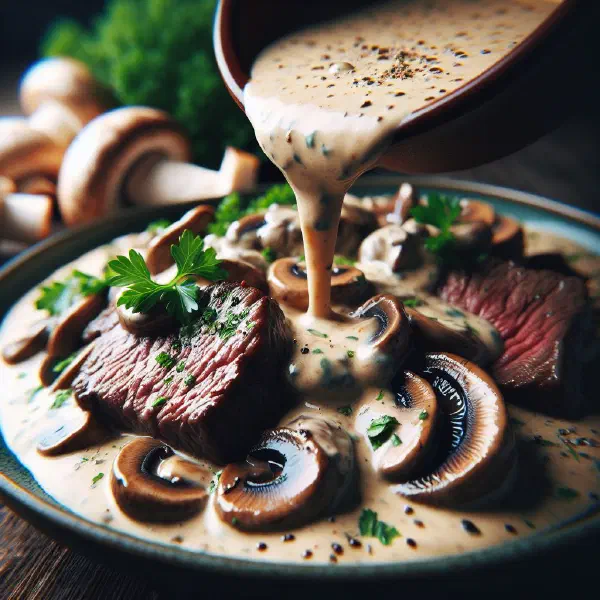
To make your Beef Wellington even tastier, adapt the duxelles with extras such as onions or fresh herbs. A mustard cream as a flavour booster, or walnuts for a little extra crunch, are both worth trying. Take care not to overcook the meat. It should stay pink in the middle. A meat thermometer helps you reach the perfect level of doneness and guarantees a juicy result.
Adapting the recipe to your taste
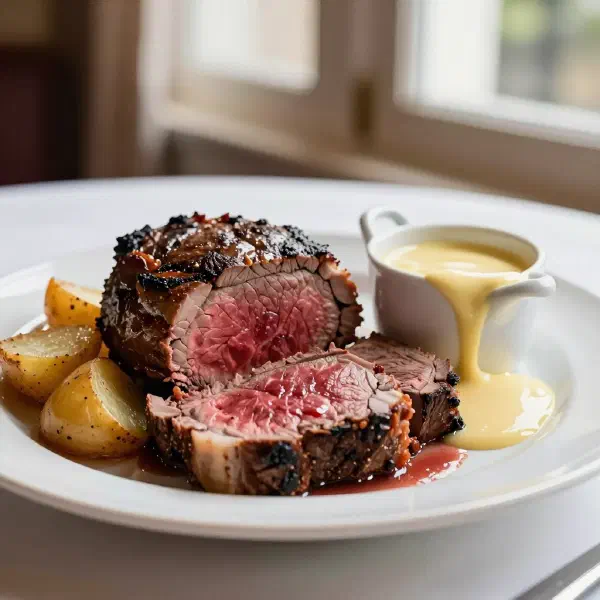
Adapting Beef Wellington to your own preferences is an easy way to bring fresh life to the dish. Experiment with different herbs and spices to vary the flavour as you please. Instead of prosciutto you might use other cured hams, or even fried courgette, as the filling. The possibilities are endless, and each version turns this dish into a unique experience. A spoonful of Sauce Béarnaise alongside is a lovely classic touch.
Ingredient substitutions
If some ingredients are unavailable, or you simply fancy a change, there are plenty of alternatives for Beef Wellington. Instead of button mushrooms you can use other mushrooms or even courgette. In place of Dijon mustard, try a wholegrain mustard or a blend of spices to suit your taste. The puff pastry, too, can be swapped for a homemade dough, which lends the dish a personal touch, much as a buttery Brioche brings its own character to French baking.
Drink pairing ideas
To round off the Beef Wellington experience, give the same care to your choice of drink. A full-bodied red wine, such as a Pinot Noir or Cabernet Sauvignon, pairs beautifully with the flavours of the dish. If you prefer something lighter, a crisp white wine or rosé is well worth considering. For non-alcoholic options, homemade lemonades or sparkling water with citrus are refreshing and complement the meal nicely.
Serving and presentation ideas
Beef Wellington is a feast for the eyes as much as for the palate. Serve it on an elegant plate and garnish with fresh herbs or a fine sauce. Homemade mash or steamed vegetables make ideal sides to round things off in style. An attractive arrangement can transform the whole dining experience and pleasure your guests. A side of crisp Haricots Verts Amandine adds both colour and crunch.
A bit of history
Beef Wellington has a long and fascinating history reaching back to the 19th century. It is often thought to have been named after the British Duke of Wellington, who rose to fame during the Napoleonic Wars. Originally it was made with various fillings and pastries before the recipe settled into the form we know today. It now is a symbol of festive occasions and is frequently served as the highlight of special celebrations across French cuisine.
More recipe ideas
Summary: Beef Wellington
In short, Beef Wellington is a truly impressive dish that appeals to in both flavour and appearance. The harmonious combination of tender beef fillet, aromatic mushrooms and crisp puff pastry is guaranteed to win over any food lover. With a little practice in the kitchen and a few creative tweaks, you can make this exquisite recipe a standout highlight of your own cooking. Enjoy the preparation and the pleasure of sharing this culinary masterpiece with friends and family.