National Dish France: Caillette (Recipe)
In this article
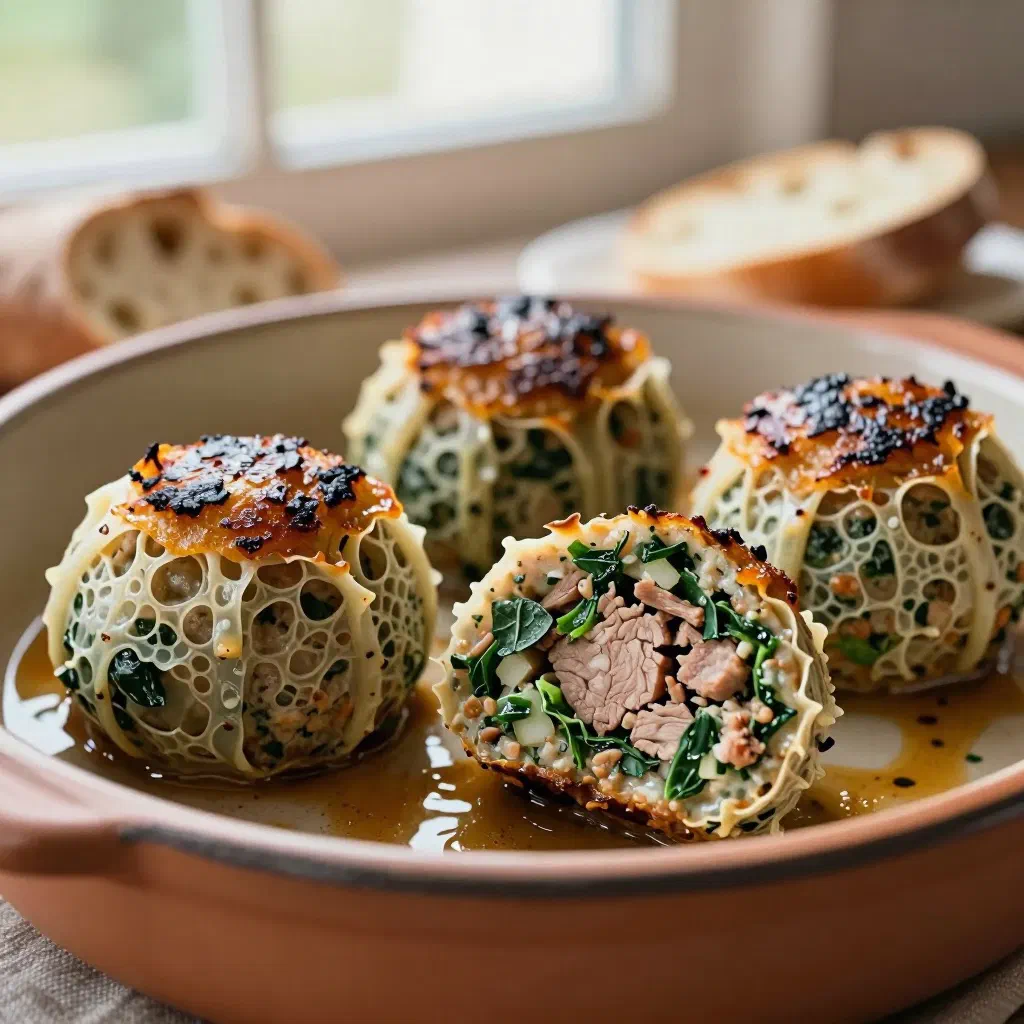
Say hello to Caillette, a rustic savoury treat straight from the sun-soaked region of Provence. This hearty meat pâté brings together tender minced pork, smoky pancetta and a generous handful of fresh herbs for a dish that tastes of the French countryside. Equally happy served warm from the oven or sliced cold for a picnic, it is the kind of honest, comforting cooking that has graced French tables for generations. Bring a little Provençal sunshine to your own kitchen.
About Caillette
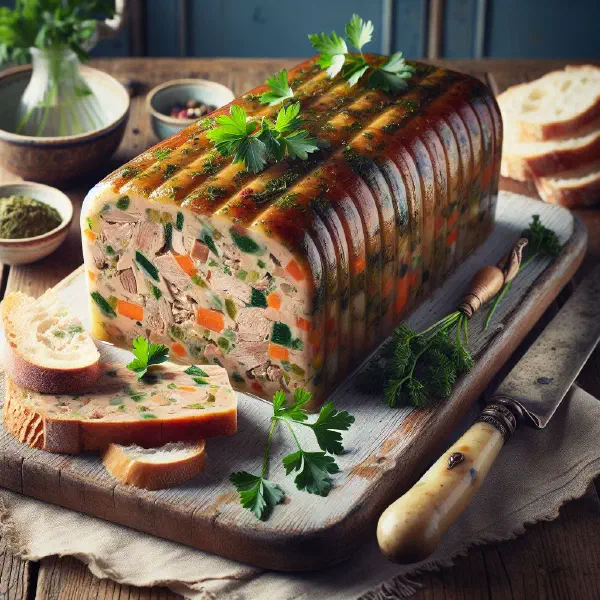
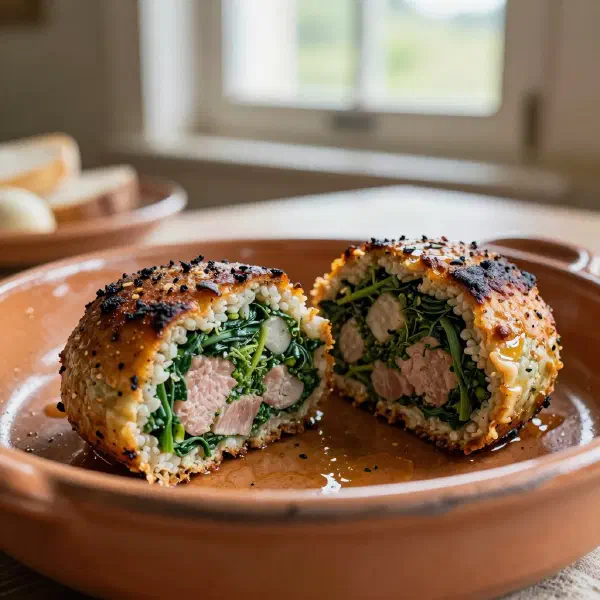
Caillette is a delicious French national dish with its roots firmly in the region of Provence. It is a kind of meat pâté, made from a wonderful blend of minced meat and aromatic herbs. Caillette is often prepared with leafy greens and a variety of seasonings that give the dish its distinctive flavour. This traditional speciality is hugely popular with locals and visitors alike, and it is a genuine highlight of French country cooking.
Ingredients (serves 1–2)
- 250 g minced meat (pork or beef)
- 100 g bacon or pancetta, diced
- 2–3 spring onions, finely chopped
- 1–2 handfuls of fresh herbs (such as parsley and thyme)
- 1 egg
- 100 g breadcrumbs
- Salt and pepper, to taste
- 1 teaspoon mustard
Shopping for the ingredients
When shopping for the ingredients for caillette, the quality of the meat really matters. It is best to choose freshly prepared minced meat and good bacon, ideally from your local butcher. For the herbs, opt for the freshest options you can find to guarantee that unmistakable flavour. The mustard and breadcrumbs are worth choosing carefully too, good-quality products will always make a difference to the finished dish.
Preparing the dish
Preparing caillette begins with carefully washing and chopping the fresh herbs and finely slicing the spring onions. The minced meat and bacon should also be readied in advance by tipping them into a large bowl. After that, you can add the remaining ingredients, the egg, the breadcrumbs and the salt and pepper. Mixing everything together thoroughly is crucial, as this is what allows the flavours to bind and come together.
Step-by-step instructions
- Preheat the oven to 180°C.
- Knead the meat mixture well until it forms a smooth, even mass.
- Line a loaf tin with baking paper or grease it lightly.
- Spoon the mixture into the loaf tin and press it down evenly.
- Bake in the oven for about 45 minutes, until the surface is golden brown.
- Once baked, turn the caillette out of the tin and let it rest for a few minutes before serving.
Gluten-free / lactose-free version
For a gluten-free version of caillette, simply use gluten-free breadcrumbs in place of the regular ones. Those who are lactose intolerant will find this dish naturally suits them, as it contains no dairy in its traditional form. These straightforward swaps mean that anyone with particular dietary needs can still enjoy the dish. The delicious flavour of caillette stays exactly as it should, with no compromise on the ingredients.
Tips for vegans and vegetarians
Vegans and vegetarians can create a clever reworking of caillette by replacing the meat with plant-based alternatives such as soya mince or a lentil mixture. Instead of the egg, chia or flax seeds work beautifully to help everything bind together. Herbs and plenty of fresh vegetables play a decisive role in the flavour. There is also lots of room to experiment with seasonings to achieve a really full-bodied result, much as you would with a comforting Tourte de Blettes.
More tips and tricks
A key tip for preparing caillette is to knead the mixture well so the flavours are spread evenly throughout. It is also a good idea to fry a small sample of the filling in a pan before baking, just to check the seasoning. Caillette can be enjoyed warm or cold, which makes it ideal for buffets or picnics. Best of all, it lends itself perfectly to making ahead of time.
Adapting the recipe to your taste
The recipe for caillette is easy to adapt to your own preferences. You might use different cuts or types of meat, for example, or experiment with extra spices to discover new flavours. The filling can be made your own too, simply by stirring in additional vegetables or a handful of nuts. In this way every caillette turns out unique and delicious.
Ingredient substitutions
If certain ingredients are not to hand, there are plenty of substitutions that will enrich the flavour of caillette just as well. Instead of bacon, you could use smoked tofu to introduce a smoky note. For the herbs, the dried varieties from your spice rack make a fine stand-in. Beyond that, all kinds of vegetables can be mixed in to vary the nutritional value and the texture, the same spirit of thrift you find in a classic Hachis Parmentier.
Drink pairing ideas
Caillette pairs wonderfully with wines, especially red wines from the Provence region, which complement the dish’s savoury aromas beautifully. A fruity rosé can also be a lovely choice if you are after something a little lighter. For non-alcoholic options, homemade lemonades or sparkling drinks support the complexity of flavour nicely. The combination of good food and good drink creates a harmonious experience of pure enjoyment.
Serving and presentation ideas
To present caillette attractively, it works well to slice the dish and arrange it on a beautiful plate. Freshly chopped herbs or a small side salad can round off the overall picture nicely. A dollop of mustard or chutney adds both visual appeal and a flavour accent. With a few pretty sides, caillette becomes a real eye-catcher on any table, a fitting addition to the wider table of French cuisine.
A bit of history
Caillette is more than just a dish; it is part of French food culture, with deep historical roots stretching back to the Middle Ages. It was originally developed as a way to use up leftover meat and make the most of available resources. Over the centuries the recipe has evolved, giving rise to regional variations that draw on different ingredients and methods of preparation. This dish is a symbol of the very essence of French home cooking, in much the same vein as a hearty Daube de Sanglier.
More recipe ideas
Summary: Caillette
To sum up, caillette is a wonderful example of the varied flavours of French cuisine. The dish, typically made from meat and herbs, is easy to tailor to individual tastes and dietary requirements. Whether for special occasions or simply as a tasty meal to enjoy at any time, caillette offers pleasure and tradition in every bite. Give it a try and let yourself be won over by French food culture.