National Dish France: Canelé (Recipe)
In this article
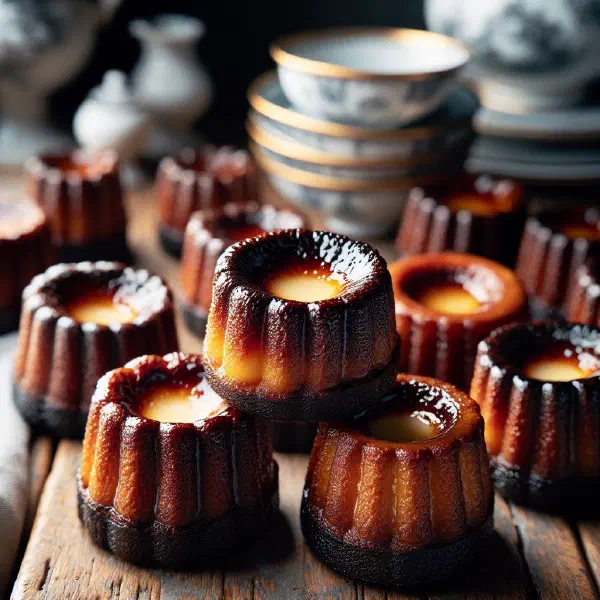
Discover Canelé, one of France’s most beguiling little pastries. With its deeply caramelised, almost crackly shell giving way to a soft, custardy heart scented with vanilla and rum, this small fluted cake is a true taste of Bordeaux. It looks deceptively simple, yet every bite delivers a remarkable contrast of textures. Bring a corner of south-west France to your own kitchen and savour a genuinely special treat.
About Canelé
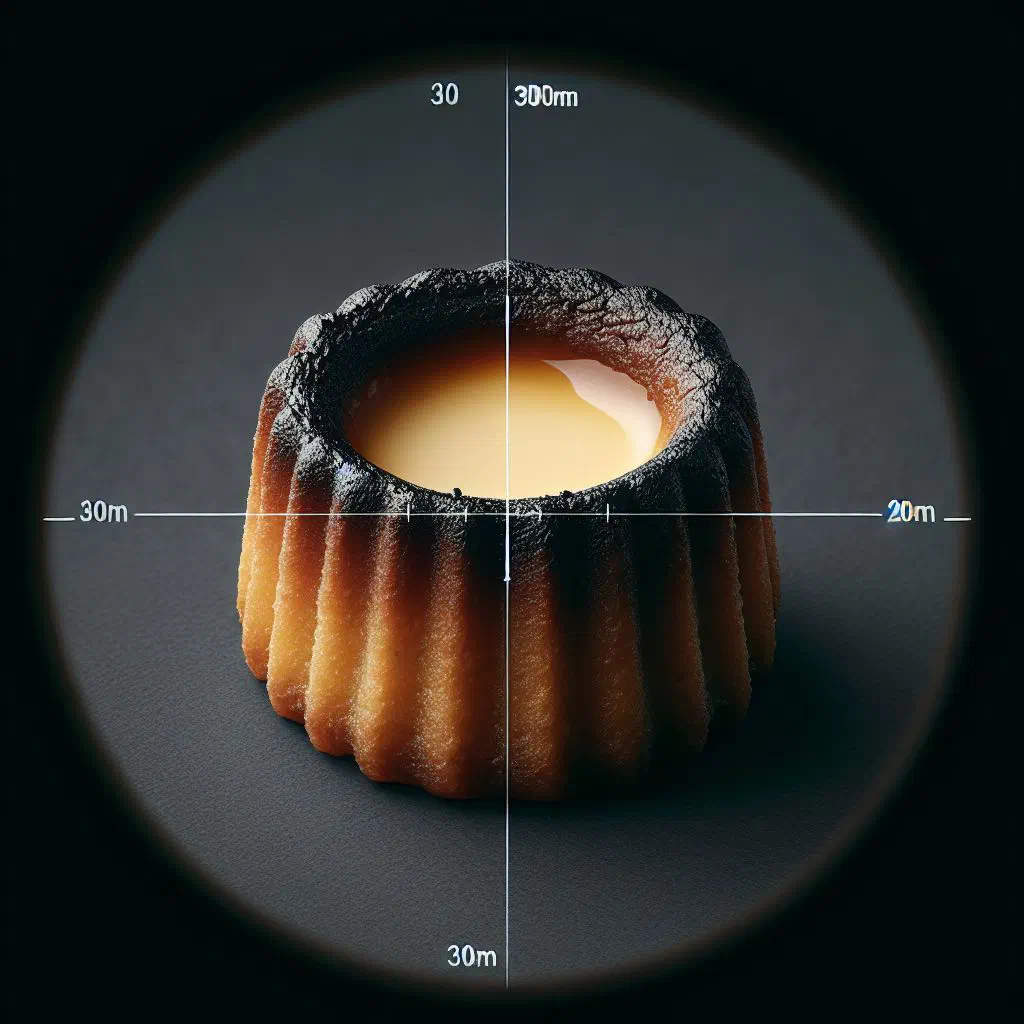
The canelé is a traditional French pastry celebrated for its caramelised outer crust and its tender, vanilla-scented centre. Originally from the Bordeaux region, it quickly spread far beyond the kitchens of south-west France to become a fixture of patisseries everywhere. Its distinctive fluted shape and intense flavour make it a much-loved indulgence. The standards for quality and preparation are famously high, but with the right recipe anyone can master this little delicacy at home.
Ingredients (serves 1–2)
- 200 ml milk
- 50 g butter
- 1 vanilla pod (or 1 tsp vanilla extract)
- 100 g sugar
- 2 eggs + 1 egg yolk
- 50 g plain flour
- 1 pinch of salt
- Rum (to taste)
Shopping for the ingredients
Choosing the right ingredients is key to a successful canelé. When buying milk, make sure it is fresh, as its flavour really comes through in the finished cake. For the vanilla you can use either a vanilla pod or vanilla extract, though the pod offers a far more intense aroma. Pick up good-quality butter too, as it has a marked influence on the taste of the pastry.
Preparing the dish
Before you begin, it pays to get your canelé moulds ready. Traditionally, special copper moulds are used, as they distribute heat beautifully for that signature crust. If you don’t have any, silicone moulds will do, although the canelés won’t turn out quite as crisp. Make sure the moulds are well greased so the finished cakes release cleanly and keep their elegant fluted shape.
Step-by-step instructions
- Heat the milk together with the butter and the scraped-out vanilla pod in a pan until the butter has melted.
- In a separate bowl, whisk the eggs, the extra yolk and the sugar until pale and frothy.
- Add the flour and salt and mix well until smooth.
- Pour the warm milk mixture slowly into the egg mixture, stirring constantly.
- Add a little rum to taste, cover the batter and leave it to rest in the fridge for at least 24 hours.
- Preheat the oven to 220 °C and fill the canelé moulds to about two-thirds of their capacity.
- Bake for around 50 minutes, until the canelés are deep golden brown and crisp.
- Remove from the oven and let them cool briefly before carefully turning them out of the moulds.
Gluten-free / lactose-free version
For a gluten-free version, swap the plain flour for a gluten-free flour blend designed for baking. Make sure the other ingredients are gluten-free too, particularly the sugar. To make the canelés lactose-free, simply use lactose-free milk and butter. That way people with a lactose intolerance can also enjoy these delicious little cakes without missing out.
Tips for vegans and vegetarians
Vegans can use a plant-based milk such as almond or oat milk in place of dairy. Instead of eggs, you can turn to egg replacers like apple purée or mashed banana to provide the necessary binding. There are plenty of vegan butter alternatives that deliver the same creamy richness. Do take care when choosing the rum, though, as some brands are not vegan.
More tips and tricks
The right baking time is crucial to a successful canelé. Keep an eye on the colour as they bake; they should reach a deep, golden hue. A good rule is not to open the oven door while baking, so you avoid a sudden drop in temperature. A skewer test is the best way to check that the canelés are fully baked through inside.
Adapting the recipe to your taste
The canelé recipe is easy to adapt to suit different palates. Experiment with flavourings such as cocoa powder, espresso or cinnamon to create new variations. You can also vary the amount of vanilla or rum to tune the flavour to your liking. For a special touch, fold in a few nuts or chocolate chips. These small tweaks sit happily alongside other treats of French cuisine, from delicate Macarons to a rich Moelleux au Chocolat.
Ingredient substitutions
If you can’t find a vanilla pod, vanilla extract is a fine alternative. The butter can also be replaced with plant-based margarine, though this may alter the flavour slightly. When it comes to the sugar, you could reach for alternative sweeteners such as coconut blossom sugar. These swaps not only introduce different flavours but can also offer slightly healthier options, in the same spirit as the gentler sweetness of a Riz au Lait.
Drink pairing ideas
Canelés go wonderfully with a cup of fresh coffee or a rich, chocolatey cocoa. A glass of fruity fruit tea or a fine Champagne can also beautifully underline their flavours. If you prefer something less sweet, the canelés pair nicely with a dry white wine. The right drink can lift the whole experience to another level.
Serving and presentation ideas
You can dress up your canelés with a pretty serving platter or small individual dishes for each guest. Consider dusting them with icing sugar or adding a drizzle of chocolate. Fresh berries or edible flowers are lovely decorative touches too, picking up the colours and making the spread look livelier. An appealing presentation builds anticipation and makes enjoying these treats all the more pleasurable.
A bit of history
Canelés trace their origins to 18th-century Bordeaux in France. Originally baked by nuns in the region’s convents, they soon found their way into local restaurants and traditional bakeries. The name canelé comes from the fluted, tube-like shape of the cake. Today canelés are a symbol of French baking artistry and a popular souvenir for visitors, a proud thread in the wider tapestry of French cuisine that runs from Crème Caramel to a flaky Millefeuille.
More recipe ideas
Summary: Canelé
The canelé is a delicious and artful French pastry that wins admirers with its careful preparation and the quality of its ingredients. With the right technique and a little patience, anyone can bake these little morsels at home. Canelés are always a treat. Make the most of our tips and variations to create your own personal canelé experience.