National Dish France: Canelés de Bordeaux (Recipe)
In this article
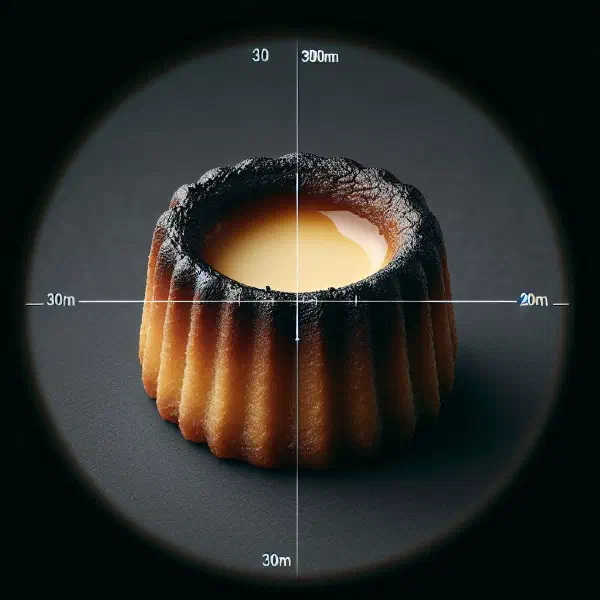
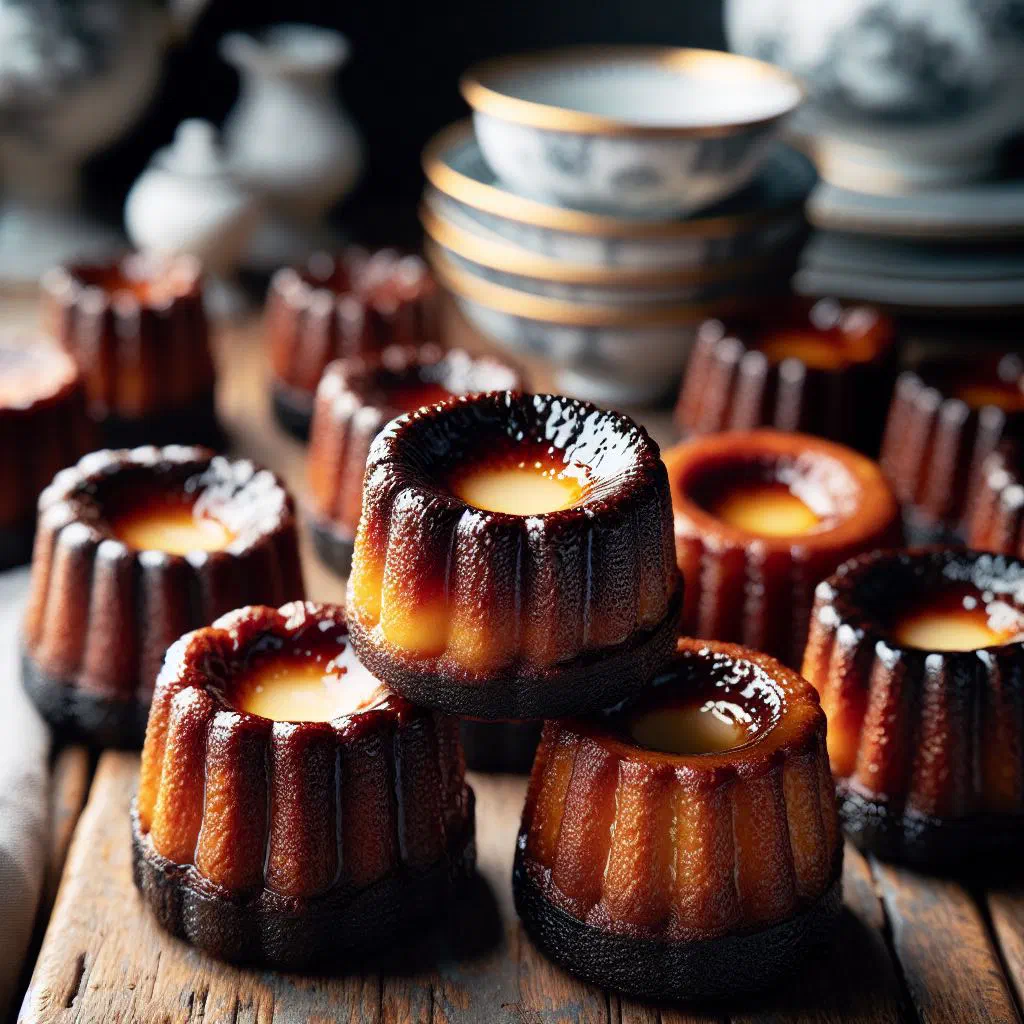
Meet Canelés de Bordeaux, the little jewels of French pâtisserie that hail from the south-west of the country. Each one has a deeply caramelised, golden-brown crust that gives way to a soft, custardy centre perfumed with vanilla and rum. These dainty cakes are a very good treat for anyone who loves classic French baking. With a little patience and the right mould, you can bring a taste of Bordeaux straight to your own kitchen.
About Canelés de Bordeaux
Canelés are a traditional French pastry that originated in the city of Bordeaux. These small cakes are famous for their distinctive, caramelised crust, which forms a crisp, golden-brown shell around a tender, aromatic interior. That contrast is the heart of their charm, and the soft centre is most often flavoured with vanilla and rum. Canelés are an absolute must for lovers of French pâtisserie.
Ingredients (serves 1–2)
- 250 ml milk
- 2 eggs
- 100 g sugar
- 50 g flour
- 50 g butter
- 1 tablespoon rum
- 1 vanilla pod or 1 teaspoon vanilla extract
Shopping for the ingredients
To make canelés you will need a handful of specific ingredients, most of which are easy to find in any well-stocked supermarket. Take care to use good-quality vanilla, whether in the form of a pod or an extract, so you draw out the fullest possible aroma. The rum should also be of a pleasant quality to round out and complement the flavour of the pastry. As with so much of French baking, a few well-chosen ingredients make all the difference to the finished result.
Preparing the dish
Before you begin, it is important to have the proper canelé mould, which is traditionally made of copper or, more commonly today, silicone. The mould must be greased generously so the canelés release cleanly once baked. It is also well worth letting the batter rest overnight in the fridge. This resting time helps the flavours meld and develop, and it improves the texture of the soft centre. A little forward planning here pays off handsomely in the final bake.
Step-by-step instructions
- Warm the milk together with the butter, vanilla and sugar in a saucepan until the butter has melted, then leave to cool.
- In a separate bowl, whisk the eggs and add the flour. Mix well.
- Slowly pour the cooled milk mixture into the egg-and-flour mixture, stirring until you have a smooth, homogeneous batter.
- Add the rum and stir thoroughly once more.
- Cover and chill the batter in the fridge for at least 12 hours.
- Preheat the oven to 220 °C and grease the canelé moulds well.
- Pour the batter into the moulds and bake for around 45 minutes, until crisp on the outside and soft within.
- Let the canelés cool briefly after baking, then carefully turn them out of the moulds.
Gluten-free / lactose-free version
To make canelés gluten-free, simply replace the wheat flour with a suitable gluten-free flour blend. Likewise, the milk can be swapped for a plant-based alternative such as oat or almond milk to keep the canelés lactose-free. Choose your ingredients carefully so the flavour and texture are not compromised. These adjustments mean you can bring together enjoyment and tolerance in equal measure, without losing the character of the original.
Tips for vegans and vegetarians
For a vegan version of canelés, the eggs can be replaced with apple sauce or chia seeds, while the butter can give way to a plant-based margarine or coconut oil. To preserve that signature canelé flavour, good plant-based milk and a high-quality vanilla extract are essential. Don’t forget the resting time for the batter either, as it allows the aromas to shine through. With a little care, this French classic adapts beautifully to a plant-based diet.
More tips and tricks
One of the most important factors for the perfect canelé texture is the oven temperature. A properly hot oven caramelises the outer shell quickly while keeping the inside soft and yielding. Feel free to experiment with the baking time to reach exactly the level of crispness you prefer. If you would like to explore different variations, exotic flavourings such as orange blossom or nutty notes make for exciting options, much like the aromatic twists that lift a classic Baba au Rhum.
Adapting the recipe to your taste
The basic canelé recipe leaves plenty of room for personal preference. Add chocolate or fruit for a fresher note, or adjust the amount of vanilla and rum to fine-tune the flavour to your liking. Experimenting with spices such as cinnamon or nutmeg can also yield interesting results. This makes canelés a special treat and a wonderful canvas for your own creativity in the kitchen.
Ingredient substitutions
When making canelés, several ingredients can be swapped without changing the essential character of the pastry. Rice or almond milk, for instance, works ideally as a plant-based milk alternative. Instead of sugar, you might use honey to achieve a different kind of sweetness. It can also be worth experimenting with different types of rum to discover a new flavour profile. In this way you can keep creating fresh and delicious variations of this French classic, just as you would when reworking a comforting Riz au Lait.
Drink pairing ideas
Canelés pair especially well with a variety of drinks. Coffee or espresso are the classic companions, though a mild tea is also a fine choice. For festive occasions you can serve these little cakes with a glass of Champagne or a fruity liqueur. The right drink can round off the whole tasting experience and open up new dimensions of flavour, turning a simple plate of canelés into something memorable.
Serving and presentation ideas
An attractive presentation can heighten the pleasure of these little desserts even further. Serve the canelés on a handsome serving plate or in small pâtisserie baskets. A dusting of icing sugar or a fruit sauce drizzled around the cakes adds a lovely finishing touch. Edible flowers can lend a creative, elegant note too, helping you decorate the canelés in real style and make them the centrepiece of the table.
A bit of history
The story of canelés stretches back to the 18th century and is closely tied to the city of Bordeaux. The little cakes were originally made in convents, where the nuns found inventive ways to use up surplus egg yolks and sugar. Over time the recipe evolved, and today canelés are known not only throughout France but internationally too. Their unique texture and unmistakable flavour have made them a treasured delicacy in many countries and a proud ambassador of French cuisine.
More recipe ideas
Summary: Canelés de Bordeaux
Canelés are an exquisite French pastry that captivate with their crisp outer shell and tender, custardy centre. With their combination of vanilla and rum, they offer an unmistakable taste experience. Whether for your own enjoyment or as a thoughtful gift, these little cakes enrich any coffee table. Let this versatile recipe inspire you, and discover the simple beauty of baking with canelés.