National Dish France: Chateaubriand (Recipe)
In this article
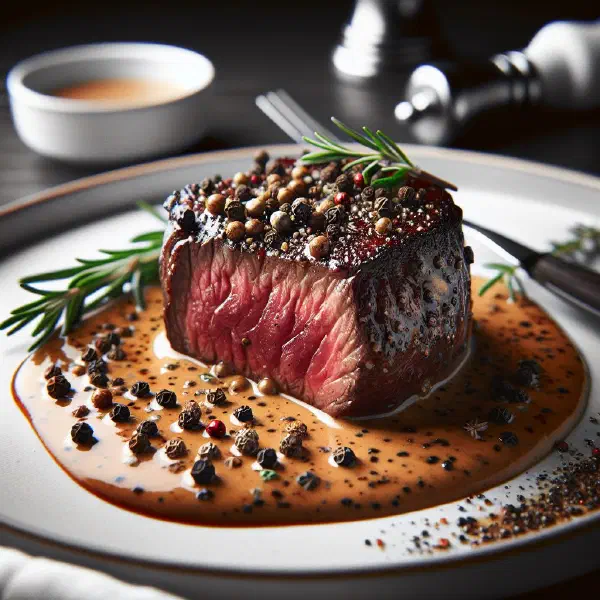
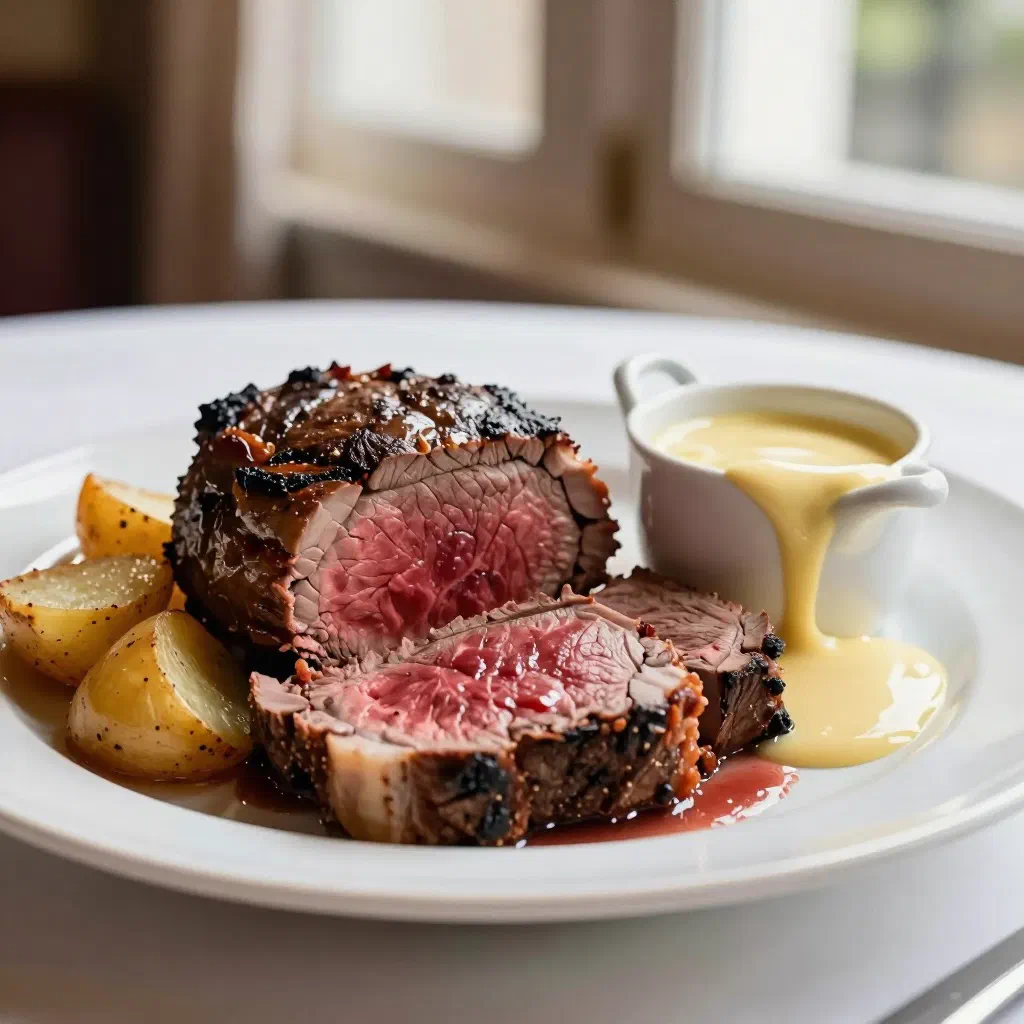
Meet Chateaubriand, one of the grandest treasures of French cuisine and a true benchmark of fine dining. This celebrated cut takes the centre of a beef fillet and cooks it to melting tenderness, finished with butter, fresh herbs and a glossy pan sauce. Often crowned the king of steaks, it carries a whiff of nineteenth-century elegance yet remains surprisingly simple to recreate at home. Treat yourself to a restaurant-worthy classic without ever leaving your own kitchen.
About Chateaubriand
Chateaubriand is more than a recipe; it is a culinary institution that captures the very heart of French cooking. It ranks among the most refined and storied meat dishes of France and is frequently hailed as the king of steaks. Legend has it the dish was named after the Vicomte François-René de Chateaubriand, a celebrated French writer and statesman of the early nineteenth century. What sets it apart is the exquisite quality of the meat, usually the centre cut of the fillet, and the special method of cooking that keeps the beef wonderfully tender and juicy.
Ingredients (serves 1–2)
- 500g Chateaubriand steak
- Salt and freshly ground black pepper
- 2 tablespoons olive oil
- 30g butter
- Fresh herbs (thyme, rosemary)
- 1 clove of garlic
- Optional: 50ml cognac or red wine (for the sauce)
- Optional: 100ml beef stock (for the sauce)
Shopping for the ingredients
When buying your Chateaubriand steak, pay close attention to the quality of the meat. Ideally, choose a piece taken from the head of the fillet of a young animal. The best advice is to turn to a butcher you trust and ask for a centre cut from the middle of the fillet, which is especially tender and has the lovely even shape this dish calls for. The herbs, too, should be as fresh as possible so their aroma can develop to the full.
Preparing the dish
Before cooking, it is essential that the meat comes up to room temperature, so take it out of the fridge in good time. This encourages it to cook evenly throughout. Season the Chateaubriand only just before searing, as this helps to preserve the precious meat juices and keeps every slice succulent.
Step-by-step instructions
- Preheat the oven to 120°C.
- Season the meat with salt and pepper. Heat a pan over high heat with the olive oil.
- Sear the Chateaubriand for 2–3 minutes on each side until a beautiful crust forms.
- Reduce the heat, add the butter, herbs and the lightly crushed garlic clove. Baste the meat repeatedly with the resulting butter-and-herb mixture.
- Transfer the meat to a rack in the oven (with a tray underneath to catch the juices) and let it cook for about 15–20 minutes, until it reaches your desired level of doneness.
- While the meat is in the oven, prepare the sauce. Add the cognac or red wine to the pan and deglaze the caramelised bits stuck to the bottom. Beef stock can be added if you like. Let the sauce reduce over medium heat.
- Once cooked, remove the meat from the oven and let it rest for 5–10 minutes before carving.
- Slice the Chateaubriand thinly and serve with the sauce.
Gluten-free / lactose-free version
Chateaubriand is naturally gluten-free, as the meat, herbs and sauce contain no gluten. Just be sure to check that any stock you use carries no hidden gluten. For a lactose-free version, swap the butter for a plant-based margarine or use clarified butter, which is virtually free of milk solids. That way the dish suits guests with intolerances while losing none of its luxurious flavour.
Tips for vegans and vegetarians
As a beef dish, Chateaubriand is not suited to a vegan or vegetarian diet in its classic form. Those who prefer to avoid meat could draw on the same cooking technique with a thick portobello mushroom steak or a meaty seitan cut, seared hard and basted with herb-infused plant-based butter. A robust red wine sauce made with vegetable stock rounds the dish off beautifully and keeps that sense of French occasion.
More tips and tricks
If you would rather not finish the Chateaubriand in the oven, you can cook it through entirely in the pan. In that case, keep a careful eye on maintaining an even heat and allow a generous resting time so the meat can develop its full tenderness. A meat thermometer is a great help here, taking the guesswork out of judging doneness and ensuring perfectly pink results every time.
Adapting the recipe to your taste
Chateaubriand lends itself wonderfully to personal preference. Different herbs can be used according to taste, for instance, and the sauce can be enriched with a splash of cream or lifted with finely sliced shallots and mushrooms. You might pair it with classic sides, much as you would alongside a hearty Boeuf Bourguignon, to make the meal your own.
Ingredient substitutions
Not everyone enjoys cognac or red wine in the sauce. As an alternative, vegetable stock can be used to give the dish a lighter note. Instead of butter, you can also reach for clarified butter for searing, which is more stable at higher temperatures and less likely to burn. These small swaps let you tailor the recipe to what you have to hand and to your own preferences.
Drink pairing ideas
A classic Chateaubriand calls for a wine that is its equal. Ideally, choose a full-bodied French red wine, perhaps from Bordeaux or Burgundy. A cool serving temperature of around 16–18°C brings out the wine’s aromas and pairs perfectly with the warm meat. For a non-alcoholic option, a deep, dark grape juice or a sparkling water with a twist of lemon makes an elegant accompaniment.
Serving and presentation ideas
Serve the Chateaubriand on a pre-warmed platter for the best effect. Arrange the slices in a fan and spoon the sauce over the top. Fresh herbs or edible flowers make a fine garnish, bringing colour and freshness to the plate. A few elegant sides, such as glazed vegetables or Haricots Verts Amandine, complete the presentation and turn the dish into a true centrepiece.
A bit of history
The precise origins of the Chateaubriand steak are not entirely clear. Various theories surround the writer François-René de Chateaubriand. One holds that his personal chef created the dish to please his master’s tastes. One thing, however, is certain: Chateaubriand has secured a firm place in the history of French cuisine, a tradition rich in refined sauces and beautifully cooked meats.
More recipe ideas
Summary: Chateaubriand
Chateaubriand is a timeless classic that wins hearts through its simple yet refined preparation. This recipe offers a starting point you can adjust and refine to your own taste, and it guarantees a thoroughly elegant dining experience. Whether for a special celebration or a quiet indulgence, this French icon brings a touch of gourmet luxury to the table. Let it inspire you and give it a try, your palate will thank you.