National Dish France: Civet de Lièvre (Recipe)
In this article
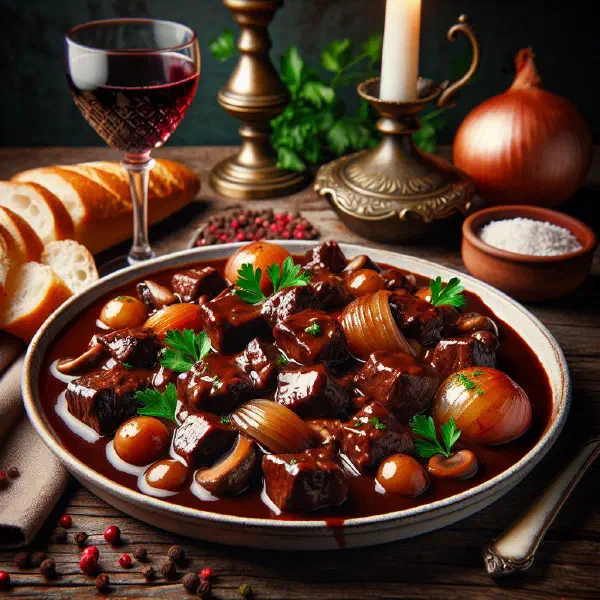
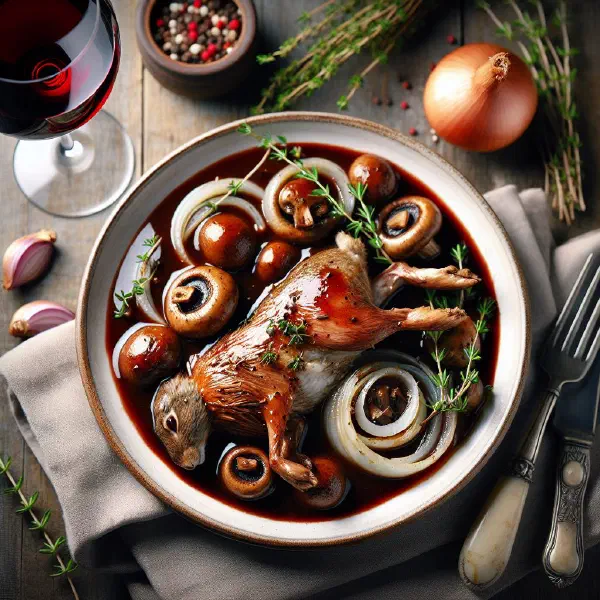
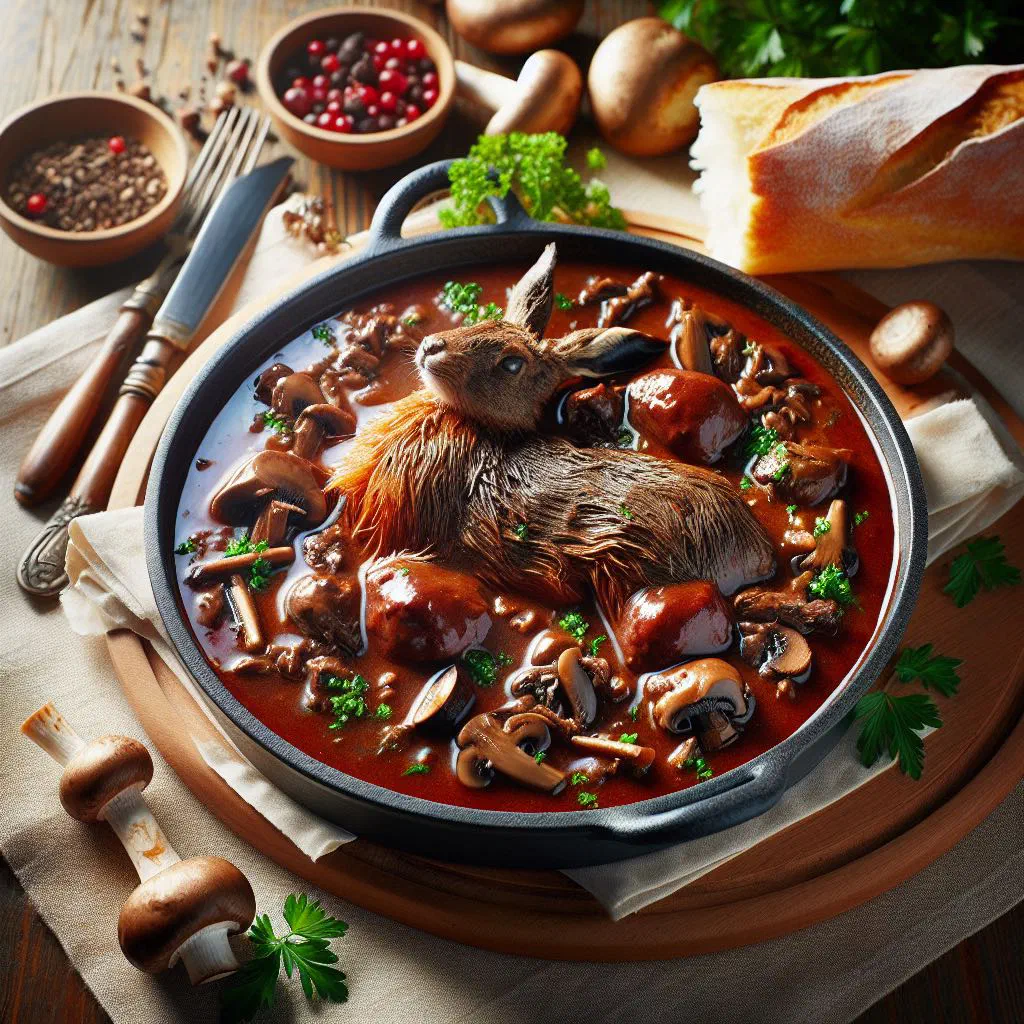
Few dishes capture the rustic elegance of the French kitchen quite like Civet de Lièvre, a sumptuous hare stew slowly braised in red wine. The meat turns meltingly tender as it simmers in a fragrant bath of shallots, garlic and herbs, drinking up every drop of flavour. It is the kind of dish reserved for festive gatherings and special dinners, filling the house with deep, autumnal aromas. Bring a little of that countryside grandeur to your own table with this timeless classic.
About Civet de Lièvre
Civet de Lièvre is a traditional French dish celebrated for its rich, layered flavours and the tender texture of the hare meat. The meat is marinated in an aromatic red wine base and then slowly braised, giving the dish an incomparable depth. This method of cooking allows the flavours of the herbs and vegetables to penetrate the meat completely. It is a dish that shines at festive occasions or special dinner parties, bringing the refinement of French cooking right into your home.
Ingredients (serves 1–2)
- 500g hare meat (such as legs or saddle)
- 500ml red wine (such as Burgundy or Bordeaux)
- 2–3 shallots, finely chopped
- 2–3 cloves of garlic, crushed
- 2–3 carrots, sliced
- 1–2 sprigs of fresh thyme
- 1 bay leaf
- 2–3 tablespoons olive oil
- Salt and pepper, to taste
- Optional: 100g diced bacon (lardons)
Shopping for the ingredients
When shopping for the ingredients for Civet de Lièvre, take care to choose fresh, high-quality hare meat. Visit your local butcher or a specialist game supplier to be sure the meat is fresh and from a good source. The red wine plays a decisive role in the flavour of the dish, so it is worth picking a good-quality bottle. The fresh herbs and vegetables should be as fresh and as good as you can find too, to guarantee the very best taste.
Preparing the dish
Preparing Civet de Lièvre involves several steps that ensure the flavours develop to their fullest. First, cut the hare meat into large pieces if it has not already been jointed. Then marinate the meat, ideally overnight, in a mixture of red wine, shallots, garlic and herbs. This marinade helps tenderise the meat and intensifies the aromas in the finished dish, much as the slow approach behind a Ragout de Boeuf coaxes the best from the meat.
Step-by-step instructions
- Lift the marinated hare meat from the marinade and pat it dry. Keep the marinade to one side.
- Heat the olive oil in a large casserole and brown the meat on all sides until golden. Add the diced bacon at this stage if using.
- Once the meat is browned, add the reserved marinade along with the chopped shallots, garlic and carrots.
- Add the thyme and bay leaf, bring everything to the boil, then lower the heat and braise gently for at least 1½ to 2 hours.
Gluten-free / lactose-free version
Civet de Lièvre is naturally gluten-free and lactose-free, as long as you take care to avoid any gluten-containing additives when choosing your ingredients. Use only good-quality red wines and fresh produce that contain no hidden allergens. That way, anyone with a gluten or lactose intolerance can enjoy this dish with confidence.
Tips for vegans and vegetarians
Although the original recipe for Civet de Lièvre calls for meat, you can create a vegan version. Swap the hare for marinated seitan or tofu and use vegetable stock in place of, or alongside, the wine. Add fresh mushrooms and root vegetables to build a hearty, aromatic base. In this way you can echo the flavours of the original dish using plant-based alternatives.
More tips and tricks
To get the most out of your Civet de Lièvre, it helps to let the meat rest after braising before you serve it. This allows the juices to settle through the meat, keeping it succulent. Another good trick is to scatter over fresh herbs just before serving for an extra lift of flavour. Finally, season the dish with salt and pepper at the end to balance all the aromas.
Adapting the recipe to your taste
The recipe for Civet de Lièvre is easy to adapt to personal preference. If you like a bit of heat, for example, add a little chilli or fresh red pepper to the marinade. You can also experiment with different vegetables depending on what is in season. This keeps the dish fresh and full of surprises, even if you make it often.
Ingredient substitutions
If you would rather not use hare, you can prepare Civet de Lièvre with other meats just as well. Wild boar or even beef make excellent alternatives, and rabbit lovers will find a kindred recipe in Civet de Lapin or Lapin à la Moutarde. If you cannot or would rather not use red wine, try unsweetened red grape juice instead to keep that fruity character.
Drink pairing ideas
A dish as delicate as Civet de Lièvre calls for a good red wine that complements its flavours. A full-bodied Bordeaux or a robust Syrah would make the perfect partner. Alternatively, a dark beer or a fine ale offers an interesting match. For non-alcoholic options, grape juices or alcohol-free beer work well to support the savoury complexity of the dish.
Serving and presentation ideas
The way you plate Civet de Lièvre can lift the whole experience. Serve the dish in a deep bowl and garnish with fresh herbs to contrast with the dark, rustic colours. A side of creamy mashed potato or a hearty bread is ideal for soaking up the rich sauce, while a Gratin de Crozets makes a wonderfully indulgent accompaniment. Do not forget to pour a good red wine into suitable glasses to round off the whole occasion.
A bit of history
Civet de Lièvre has its roots in rural French cooking, where game dishes were traditionally widespread. The fact that the dish remains so popular across the French and Belgian regions speaks to its deeply held tradition. Historically, hare was often hunted and prepared for celebrations, which is why these cooking methods have been handed down through the generations. In many families it is a special delicacy reserved for important occasions and holidays, a fine ambassador for French cuisine.
More recipe ideas
Summary: Civet de Lièvre
Civet de Lièvre is a classic French dish that captivates with its complex flavours and the tenderness of the meat. With good-quality ingredients and careful preparation, you can create a feast that is perfect for special occasions. The freedom to adapt the recipe to your own preferences makes it an excellent choice for any cook. Discover the many facets of French cooking and treat yourself to this delicious dish.