National Dish France: Confit de Canard (Recipe)
In this article
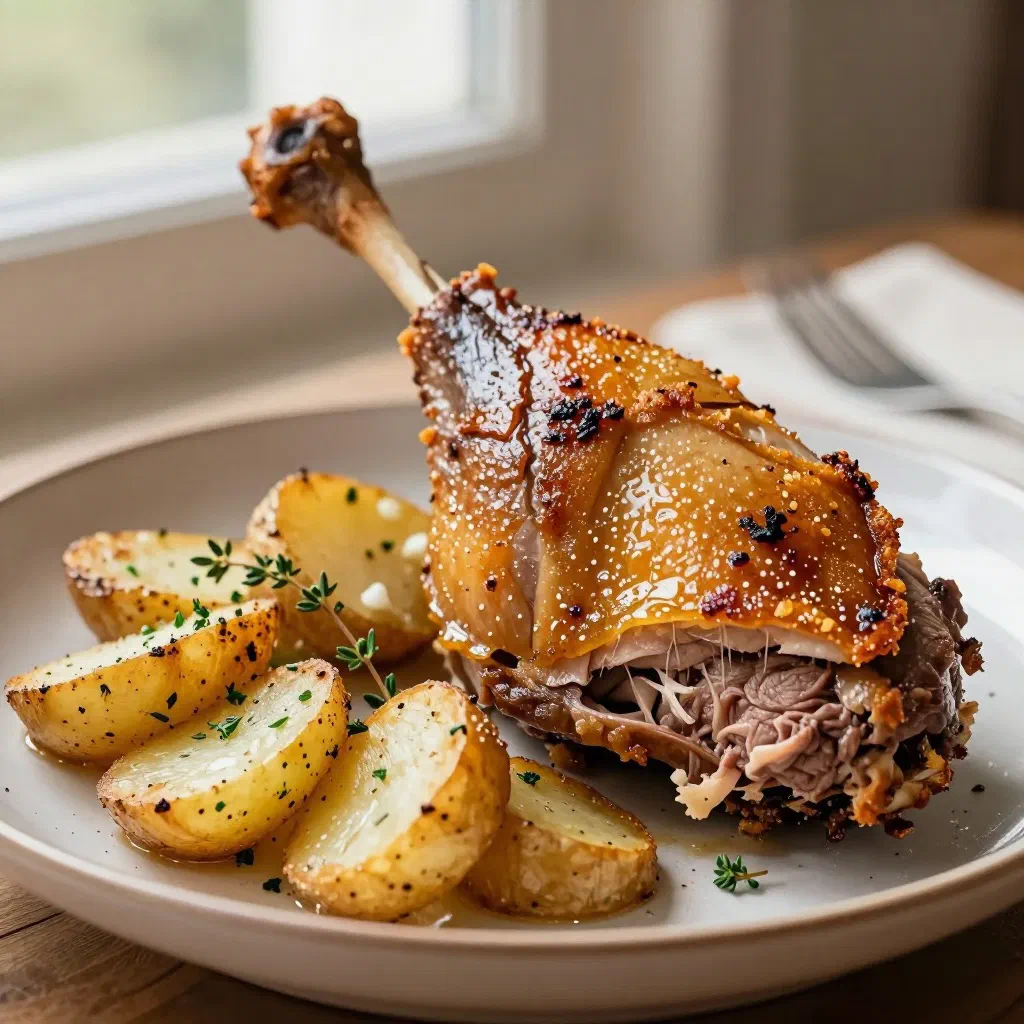
There are few dishes that sum up the soul of south-western France quite like Confit de Canard. Duck legs are gently poached in their own fat until the meat falls from the bone, then crisped to a deep golden finish. It is rich, unhurried cooking at its very best, a method born of thrift that long ago graduated to the realm of pure indulgence. Serve it with a tangle of sautéed potatoes or a sharp green salad and you have a proper feast on a plate.
About Confit de Canard
Confit de Canard is a traditional French dish with its roots in the south-west of the country. At its heart are duck or goose legs, slowly cooked in their own fat until meltingly tender. This method is more than just a clever way to keep the meat juicy. It also coaxes out a wonderfully deep, rounded flavour. The dish is most often served with sides such as creamy mash or green vegetables, and it has long held its place as one of the great showpieces of French home cooking.
Ingredients (serves 1–2)
- 2 duck or goose legs
- 500 g duck or goose fat
- 2–3 cloves of garlic
- Thyme (fresh or dried)
- Salt to taste
- Pepper to taste
Shopping for the ingredients
When shopping for the ingredients for confit de canard, it pays to seek out good-quality duck or goose legs. You will often find the best examples at a specialist butcher or a good delicatessen. Duck fat is widely stocked in better supermarkets and can also be ordered online. Make sure your herbs and spices are fresh, too, as they make a real difference to the final flavour.
Preparing the dish
Before you start cooking, rinse the duck legs thoroughly and pat them dry. Score the skin lightly so the seasoning can work its way into the meat. In a bowl, combine the salt, pepper, the crushed garlic and the thyme. Rub this mixture generously over the legs and, ideally, leave them to rest in the fridge overnight so the flavours have time to develop and intensify.
Step-by-step instructions
- Melt the duck fat in a large pan over a low heat until it is completely liquid.
- Carefully lower the marinated legs into the fat, making sure they are fully submerged.
- Bring the fat up to a gentle simmer, then reduce the heat and cook the legs slowly for at least 2–3 hours.
- Lift the legs out of the fat and drain them on a piece of kitchen paper.
- To finish, crisp the legs up in a hot oven or a heavy frying pan until the skin turns golden.
Gluten-free / lactose-free version
Confit de canard is naturally gluten-free and lactose-free, since it relies almost entirely on meat and fat. That makes it an excellent choice for anyone with an intolerance. Do double-check that all your seasonings are also free from gluten and come from a trusted source. Beyond that, you can enjoy the dish with complete peace of mind.
Tips for vegans and vegetarians
For vegans and vegetarians, an alternative built around plant-based ingredients is well worth considering. In place of duck or goose legs you might use aubergines, potatoes or tofu, all of which deliver a hearty, flavoursome result. The slow-poaching method can be swapped for roasting or grilling here. Play around with herbs and spices to build depth of flavour and you will be rewarded with a satisfying meat-free version.
More tips and tricks
A few simple tips will help you nail the perfect confit de canard. Always reach for top-quality ingredients to get the best result. Keep the fat working at a gentle, low temperature throughout, as this is the secret to truly tender meat. The most common mistake is rushing the cooking, go too fast and the flesh will toughen rather than soften. Slow, patient cooking is what allows the flavours to come into their own.
Adapting the recipe to your taste
The recipe for confit de canard is easy to adapt to suit different palates and preferences. Stir other herbs such as rosemary or oregano into the seasoning mix for a fresh slant on the flavour. If you like a bit of heat, a pinch of chilli or extra pepper does the trick nicely. You can also vary the sides. Try serving it with a potato gratin or some grilled vegetables. A close cousin in spirit is Canard à l’Orange, another celebrated way with duck.
Ingredient substitutions
If you cannot get hold of duck or goose legs, chicken legs make a tasty stand-in, though the flavour will be a touch milder. You can also use olive oil in place of duck fat, as long as you are happy to stray from the traditional method. It may affect the texture a little, but not the taste. Feel free to introduce new spices, too, and put your own stamp on the dish. For something equally rustic, a slow-cooked Daube de Sanglier follows a similar low-and-slow philosophy.
Drink pairing ideas
A handful of well-chosen wines sit beautifully alongside confit de canard. A robust red, such as a Bordeaux or a Chianti, is a perfect match for the dish’s richness. Alternatively, a light white like Sauvignon Blanc brings a refreshing counterpoint. For those who prefer not to drink wine, an aperitif such as a pastis or a fruity cocktail rounds the meal off nicely.
Serving and presentation ideas
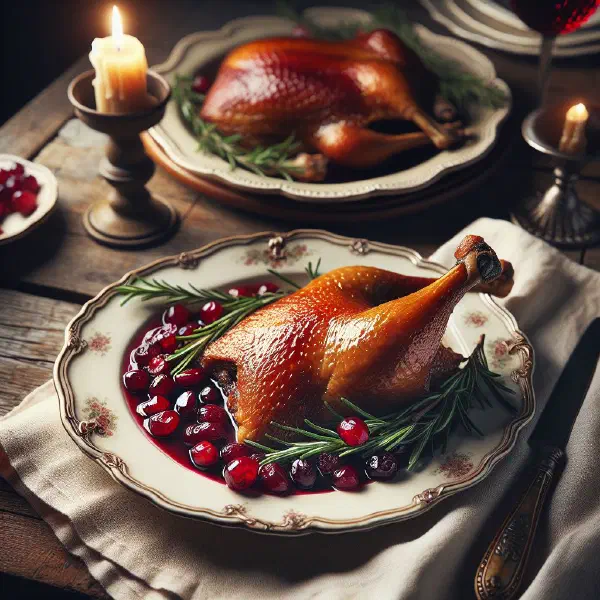
A little care with presentation can lift confit de canard from delicious to memorable. Serve the legs on an elegant plate and scatter over a few fresh herbs to add colour and freshness. A swirl of smooth mash or a vivid vegetable side gives the plate plenty of visual appeal. Pull the look together with thoughtful table dressing and good crockery to make the meal feel like a real occasion.
A bit of history
Confit de canard traces its origins to the 18th century in the rural regions of France. It began life as a means of preservation, a way to keep meat edible for months without losing its flavour. Over time this practical technique grew into a timeless classic. Today the dish is prized as a delicacy and remains a cornerstone of French cuisine, every bit as beloved as the country’s great sauces and stews.
More recipe ideas
Summary: Confit de Canard
In short, Confit de Canard is not only a delicious dish but a genuinely traditional French one, defined by the unhurried technique that sets it apart. The marriage of tender meat and deep, savoury flavour makes it a real treat. With just a few simple ingredients you can bring this dish to the table and impress your guests with ease. Give it a go and savour for yourself this unmistakable taste of France.