National Dish France: Crème Brûlée (Recipe)
In this article
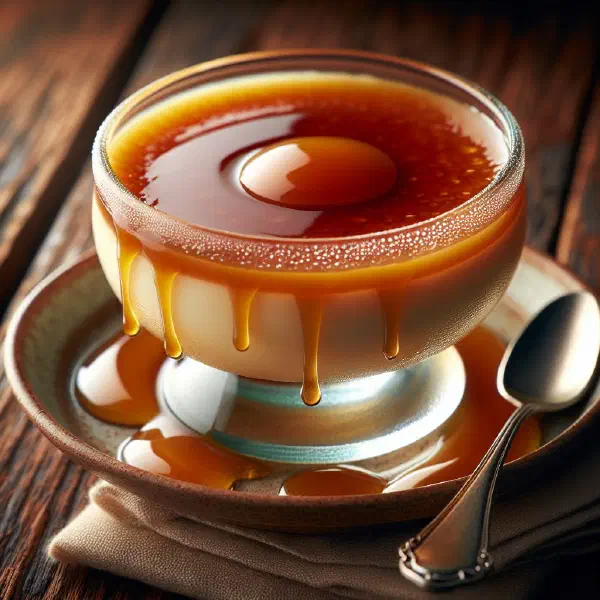
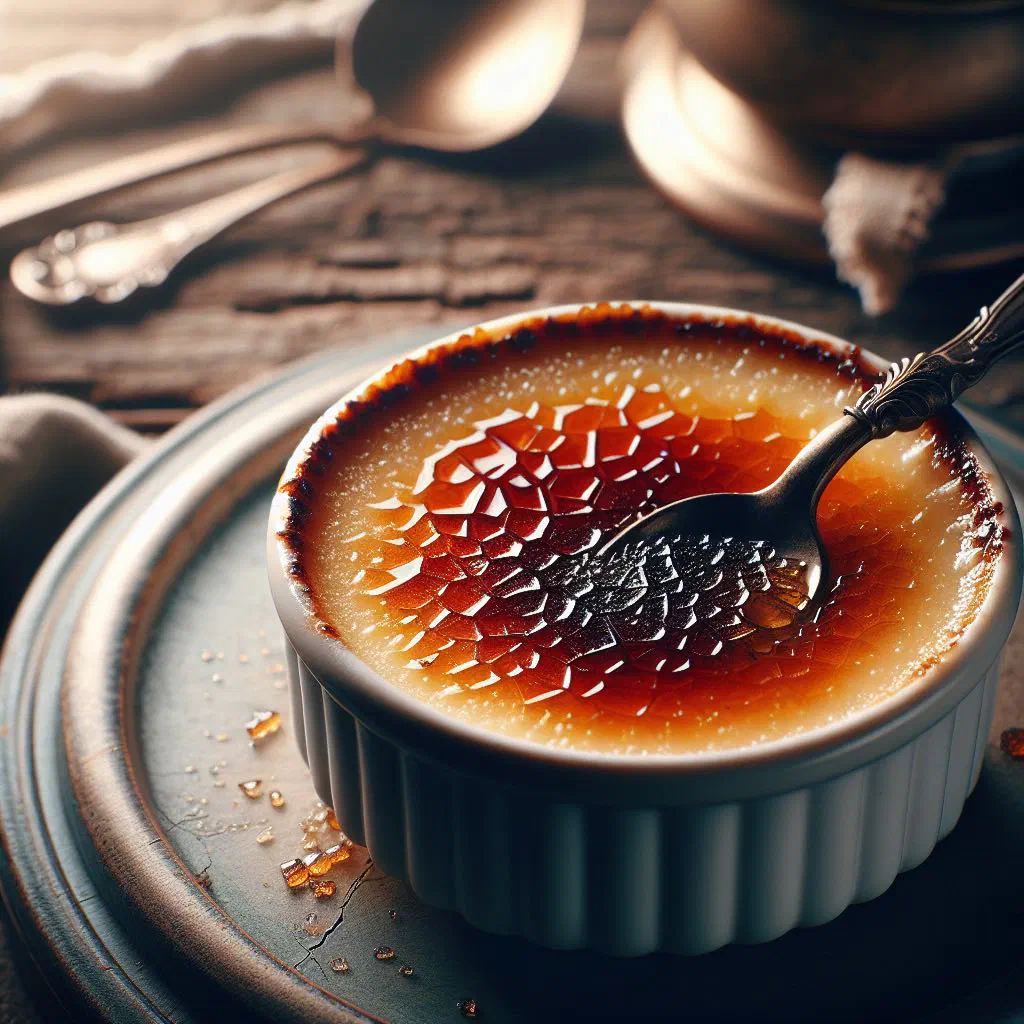
Treat yourself to Crème Brûlée, France’s most beloved dessert. Beneath a brittle, glassy layer of caramelised sugar hides a silky vanilla custard that practically melts on the tongue. The magic lies in the contrast: the satisfying crack of the burnt-sugar crust giving way to cool, velvety cream. It takes a little care to get right, but the result is pure indulgence, the perfect finale to a special dinner or a quiet moment of self-spoiling.
About Crème Brûlée
Crème Brûlée is a classic French dessert celebrated for its luxurious texture and the striking contrast of its caramelised sugar top. At its heart sits a rich vanilla custard, crowned with a thin, crackling crust of burnt sugar. The preparation calls for a touch of skill, yet the result is genuinely impressive. Serve crème brûlée as the crowning glory of a festive evening meal, or simply as a sweet treat to enjoy at any time of day.
Ingredients (serves 1–2)
- 2 egg yolks
- 2 tbsp sugar (plus extra for caramelising)
- 250 ml double cream
- 1 tsp vanilla extract or the seeds of one vanilla pod
- A pinch of salt
Shopping for the ingredients
To get the very best results, choose fresh, high-quality ingredients. The cream in particular should be top-notch, as it forms the very foundation of the flavour. Be sure to use a real vanilla pod or a good-quality vanilla extract. Where possible, reach for organic eggs too, as they will improve both the taste and the texture of the finished dessert.
Preparing the dish
Before you begin, gather all your ingredients and tidy your work surface. Have the cups or ramekins you plan to use ready in advance. It is also wise to prepare the water bath in which the ramekins will sit while they bake. This ensures gentle, even heating and gives the dessert its signature delicate consistency.
Step-by-step instructions
- Preheat the oven to 150°C.
- In a bowl, whisk the egg yolks together with the sugar and a pinch of salt until pale and frothy.
- In a small pan, heat the cream with the vanilla extract until it is almost boiling.
- Slowly stir the hot cream into the egg-and-sugar mixture, taking care not to curdle the eggs.
- Pass the mixture through a fine sieve and pour it into the ramekins.
- Set the ramekins in a deep tray and fill the tray with hot water so the ramekins stand half-submerged.
- Bake for around 30–40 minutes, until the custard is set but still has a slight wobble in the centre.
- Once baked, lift the ramekins from the water bath and leave them to cool completely.
- Just before serving, scatter a thin layer of sugar over the custard and caramelise it with a kitchen blowtorch.
Gluten-free / lactose-free version
The good news is that crème brûlée is naturally gluten-free. To make it lactose-free as well, you can swap the cream for dairy-free alternatives such as coconut milk or an almond-based cream. These options lend the dessert a distinctive character and are ideal for anyone with a lactose intolerance. When caramelising, just double-check that the sugar topping you use is gluten-free too.
Tips for vegans and vegetarians
For a vegan version of crème brûlée, replace the eggs with soya yoghurt or a cashew cream thickened with a little starch. Use plant-based cream to achieve that signature silky consistency, and add vanilla extract for an authentic flavour. Be sure to choose a sugar that is suitable for a vegan diet. That way, vegans can enjoy this elegant dessert too.
More tips and tricks
One important tip is to let the crème brûlée rest in the fridge for at least 2–3 hours after baking, so the flavours have time to settle. You can also experiment with different flavourings. Try adding a little orange or lime zest, for example. When caramelising, take care not to apply too much heat, as the sugar can burn and turn bitter. A kitchen blowtorch is ideal for a flawless, even caramel finish.
Adapting the recipe to your taste
The crème brûlée recipe is wonderfully easy to tailor to your own preferences. Experiment with different flavours such as chocolate, coffee or mocha to create your own signature version. You can also vary the amount of sugar to dial the sweetness in exactly to your liking. Different vessels, from small ramekins to larger dishes, can be used too, giving you scope for all sorts of presentations. If you love rich, eggy desserts, you might also enjoy a Sabayon.
Ingredient substitutions
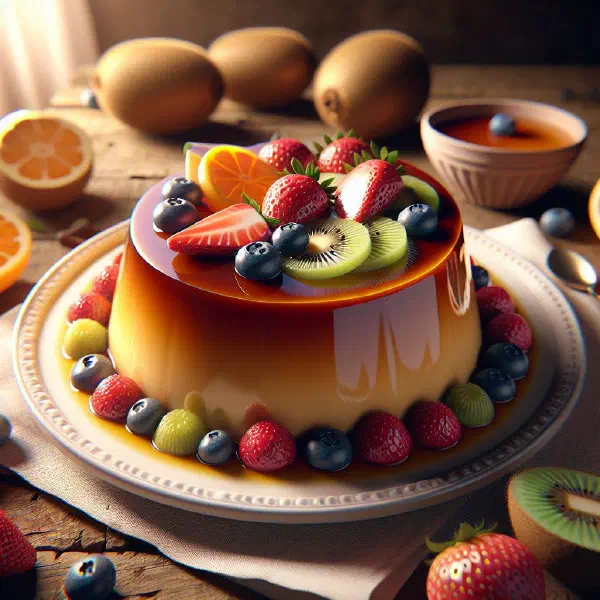
If you have no cream to hand, you can also use yoghurt or crème fraîche to give your crème brûlée a slightly different character. As a sugar alternative, agave syrup works well, though you may need to experiment a little with the consistency. For an even deeper vanilla note, add a touch of vanilla sugar, keeping an eye on the overall sugar quantity. Substitutions like these help keep the dessert varied and interesting, much like the gentle tweaks that distinguish a Crème Caramel from its cousins.
Drink pairing ideas
Several drinks pair beautifully with crème brûlée to round off the experience. A French dessert wine such as Sauternes, or a glass of port, sits wonderfully alongside the sweet, creamy flavours. For coffee lovers, a freshly brewed espresso makes a marvellous accompaniment. If you prefer something alcohol-free, try a fruity lemonade to lighten the richness of the custard.
Serving and presentation ideas
To serve your crème brûlée in style, arrange the ramekins on a decorative plate and garnish with fresh berries or edible flowers. A light dusting of icing sugar around the rims adds an extra flourish for the eye. Using ramekins in a range of sizes also creates an appealing variation on the dessert table. A creative presentation is sure to impress your guests, for an extra-special spread, pair it with a few delicate Macarons.
A bit of history
Crème brûlée has its roots in France and has been known since the 17th century. It was originally served in French kitchens before evolving over the years into a world-famous dessert. The name comes from the French word for “burnt”, a nod to its caramelised sugar surface. Although similar puddings appear in other cultures, the French version remains the most popular and best loved, a true icon of French cuisine.
More recipe ideas
Summary: Crème Brûlée
Crème Brûlée is a timeless French dessert that appeals to with its pairing of creamy custard and a crisp, caramelised crust. It is easy to adapt and can be made in countless variations, so there is something to please every palate. This dessert is always a highlight at any gathering. With a little attention to detail and a flair for presentation, crème brûlée becomes a treat not just for the palate, but for the eyes too.