National Dish France: Crêpes (Recipe)
In this article
Discover Crêpes, the heart and soul of French street food. These wonderfully thin, golden pancakes hail from the windswept region of Brittany in the north-west of France and have since charmed kitchens the world over. Crêpes are endlessly versatile and loved by young and old alike. With just a handful of simple ingredients, you can bring a slice of a Parisian street stall straight to your own kitchen.
About Crêpes
Crêpes are a cornerstone of French street cooking and have long been established as a classic of French cuisine. This delicate, paper-thin pancake originally comes from the Brittany region in the north-west of France and has since conquered tables around the globe. Crêpes offer endless filling possibilities and are equally popular with children and grown-ups. They are distinguished by their golden colour, their soft yet gently elastic texture and, of course, that incomparable aroma born from the marriage of just a few simple ingredients.
Ingredients (serves 1–2)
- 125 g plain flour
- 250 ml milk
- 1 egg
- 1 pinch of salt
- 1 tablespoon sugar (for sweet crêpes)
- 1 teaspoon vegetable oil (plus a little more for the pan)
Shopping for the ingredients
To make truly authentic crêpes, it pays to choose good-quality ingredients. Where possible, opt for free-range eggs and fresh whole milk, as these can noticeably improve the flavour of your crêpes. If you would like to make the recipe vegan, you can use egg-replacement products and plant-based milk alternatives such as almond or soya milk. Most of what you need is easy to find in any supermarket, much like the everyday staples behind a Pain de Campagne.
Preparing the dish
Take all the ingredients out of the fridge about 30 minutes beforehand so they can come up to room temperature, which makes the batter much easier to work with. Sift the flour to avoid lumps and to guarantee a silky-smooth texture. A non-stick pan or a dedicated crêpe pan makes turning the crêpes far simpler and helps you achieve that even, lacy finish.
Step-by-step instructions
- Sift the flour into a bowl and make a well in the centre.
- Add the egg, salt and sugar, then whisk together with a balloon whisk.
- Gradually stir in the milk to prevent lumps, until you have a smooth batter.
- Stir a teaspoon of oil into the batter and leave it to rest for 20 minutes.
- Lightly brush a pan with oil and heat it through.
- For each crêpe, pour a ladleful of batter into the pan and swirl to spread it evenly.
- Cook the crêpes until golden brown on each side, then fill as you like and fold or roll them up.
Gluten-free / lactose-free version
Crêpes are easy to adapt for special diets. If you have a gluten intolerance, simply swap the plain flour for a good gluten-free flour blend so the dish suits everyone at the table. For a lactose-free version, use lactose-free milk or a plant-based milk in place of regular milk. With these small swaps, no one need miss out on this French favourite.
Tips for vegans and vegetarians
Crêpes are naturally vegetarian, and a vegan version is well within reach. Replace the egg with a shop-bought egg substitute and use plant-based milk such as almond or soya milk instead of dairy. Take care to check spice blends and pre-made products for hidden animal ingredients. Fresh fruit, jam or a drizzle of maple syrup all make wonderful plant-based fillings.
More tips and tricks
For especially thin crêpes, you can loosen the batter slightly by adding a little extra milk or water. To make turning easier, slide a thin spatula underneath or gently shake the pan until the crêpe comes loose. Keep finished crêpes warm under a clean tea towel or in a low oven so they stay soft and pliable while you cook the rest of the batch.
Adapting the recipe to your taste
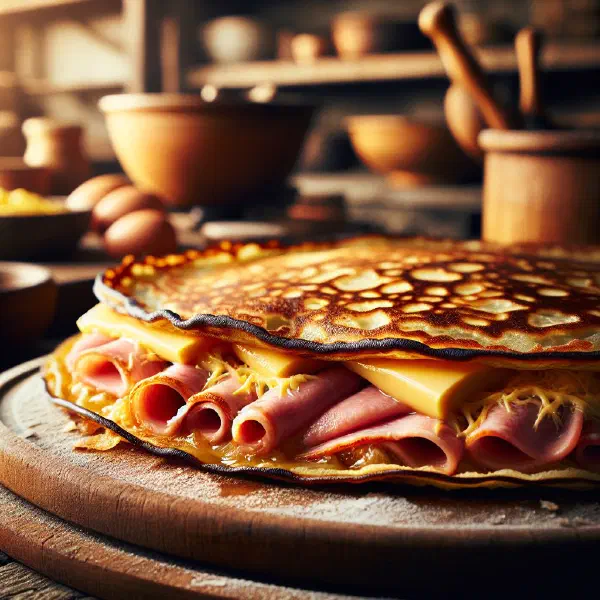
Crêpes are wonderfully easy to tailor to personal preference. For sweet crêpes, reach for chocolate sauce, fresh fruit or jam; for savoury versions, fill them with cheese, ham and vegetables. You might fancy a fruity twist along the lines of Beignets aux Pommes, or a richer treat closer to a Moelleux au Chocolat. The choice is entirely yours.
Ingredient substitutions
If certain ingredients are not to hand, there are plenty of easy alternatives. Those with a gluten intolerance can use gluten-free flour, while anyone who is lactose intolerant can swap regular milk for lactose-free or plant-based milk. The same flexible approach lets you adapt many French classics, from a comforting Riz au Lait to a delicate dessert sauce.
Drink pairing ideas
A range of drinks pairs beautifully with crêpes. Sweet crêpes go well with a fruity cider or a glass of dessert wine, while savoury crêpes harmonise splendidly with a light red wine or a chilled French lemonade. A cup of strong coffee or hot chocolate also makes a cosy companion for an afternoon plate of crêpes.
Serving and presentation ideas
Serve your crêpes on a pretty plate and garnish them with fresh berries or a few herbs. A dusting of icing sugar or a squeeze of lemon juice can heighten the flavour while doubling as decoration. Folded into neat triangles or rolled into elegant cylinders, crêpes always look inviting, and a final flourish of Caramel au Beurre Salé turns them into something truly special.
A bit of history
Crêpes have been known since the 12th century and were originally made with buckwheat flour. With the introduction of white flour they grew steadily more popular and spread far beyond the borders of France. Today they remain a proud emblem of French cuisine, enjoyed everywhere from humble street stalls to celebratory tables.
More recipe ideas
Summary: Crêpes
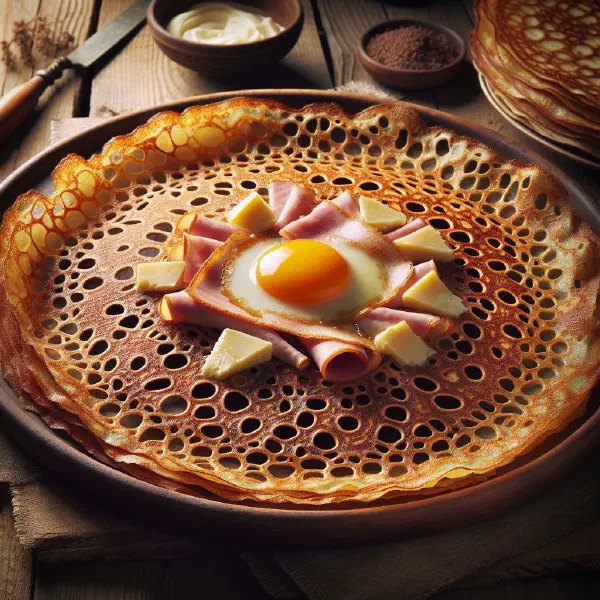
Crêpes are a versatile and much-loved dish with something to offer for every occasion. With the right recipe and a little practice, you can treat yourself and your guests to this French delicacy, whether you keep things sweet or go savoury. For a heartier variation, try Galettes, a savoury take on the crêpe made with buckwheat flour and traditionally filled with eggs, ham and cheese. Let this French classic inspire you and give it a go; your taste buds will thank you.