National Dish France: Daube Provençale (Recipe)
In this article
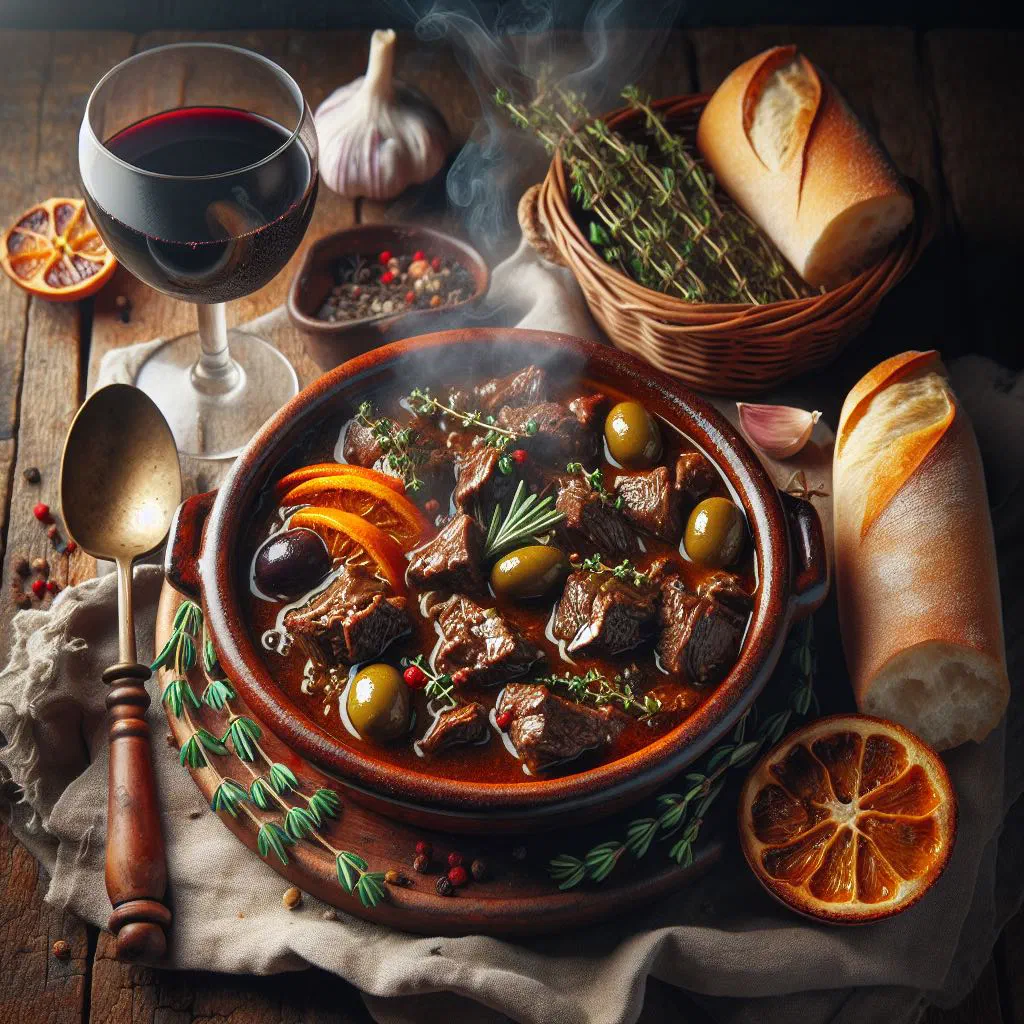
There is something deeply comforting about a pot of Daube Provençale bubbling away on the stove. This rustic beef stew from the south of France turns humble cuts of meat into something tender and richly flavoured, thanks to hours of gentle simmering in red wine with rosemary, thyme and bay. It is the kind of dish that fills the kitchen with warmth and draws everyone to the table. Perfect for a sociable evening with friends or a cosy meal on a cold winter’s day.
About Daube Provençale
Daube Provençale is a traditional French dish that hails from the picturesque region of Provence. It is a hearty beef stew packed with herbs and warming aromas. The combination of slow braising in red wine, fresh herbs and fragrant seasonings gives the dish a wonderfully distinctive flavour. It is ideal for sociable evenings or as a real soul-warmer on chilly days, chasing away the winter cold with its comforting heat. This much-loved classic of French cuisine rewards a little patience with deep, satisfying flavour.
Ingredients (serves 1–2)
- 500 g beef (such as shoulder or shin)
- 1 bottle of red wine (750 ml)
- 2 onions
- 2 carrots
- 2–3 cloves of garlic
- 1 sprig of rosemary
- 1 sprig of thyme
- 2 bay leaves
- Olive oil for browning
- Salt and pepper
Shopping for the ingredients
When shopping for the ingredients for Daube Provençale, it is worth choosing good-quality beef. Beef shoulder or beef shin are particularly well suited, as these cuts turn meltingly tender and full of flavour during the long, slow braise. Look out for a full-bodied red wine too, which lends the dish extra depth. Herbs such as rosemary and thyme should be fresh so they can release their full aroma. A good butcher will happily point you towards the right braising cut.
Preparing the dish
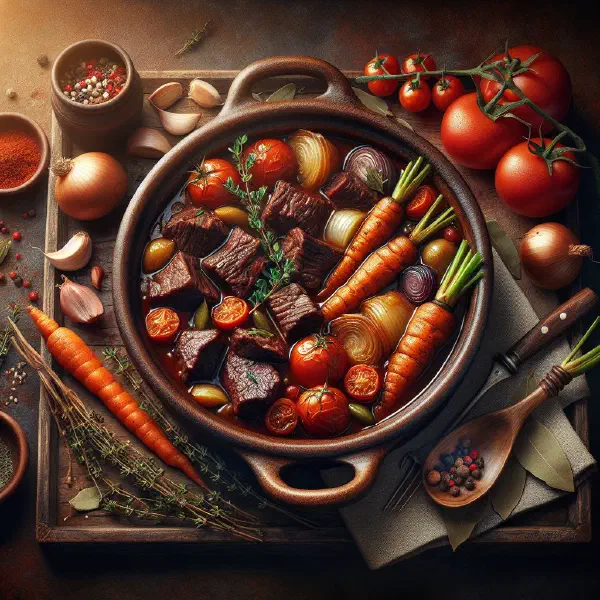
Getting the preparation right is key to the final flavour of your Daube Provençale. Begin by cutting the beef into even cubes and seasoning them with salt and pepper. Heat a little olive oil in a large casserole and brown the meat well on all sides so the flavours can develop. Next, add the chopped onions, carrots and garlic to build an aromatic base for the stew. A tidy work surface makes the whole process easier and lets you cook at a relaxed pace.
Step-by-step instructions
- Cut the beef into cubes and season with salt and pepper.
- Heat the olive oil in a casserole and brown the meat on all sides.
- Add the onions, carrots and garlic and sauté briefly.
- Pour in the red wine and add the herbs (rosemary, thyme, bay leaves).
- Bring everything to the boil, then reduce the heat and braise gently for 2–3 hours.
Gluten-free / lactose-free version
Daube Provençale is naturally gluten-free and lactose-free, which makes it an excellent choice for anyone with these intolerances. Simply make sure that none of the ingredients you use contain hidden allergens. With spices or ready-made products in particular, gluten can sometimes sneak in. Fresh ingredients and the right choice of wine make this dish a perfect option for a gluten-free and lactose-free diet, much like a hearty Petit Salé aux Lentilles.
Tips for vegans and vegetarians
The Daube Provençale can easily be adapted for vegans and vegetarians. Instead of beef, you might use protein-rich pulses such as lentils or chickpeas. These give a hearty texture and, thanks to how filling they are, fit perfectly into the recipe. Add some vegetable stock and a generous variety of vegetables to round out the dish without losing its rich, satisfying character. A pot of Salade de Lentilles shows just how well lentils carry these Provençal flavours.
More tips and tricks
To intensify the flavours in your Daube Provençale, you can marinate the meat in wine and seasonings the day before. This gives the beef time to absorb the aromas fully. You can also add different vegetables such as mushrooms or celery to introduce extra layers of flavour. Another tip is to keep the braise at a medium heat and stir regularly to prevent it catching on the bottom of the pan.
Adapting the recipe to your taste
The Daube Provençale is wonderfully easy to tailor to your own preferences. If you like a bit of heat, add a touch of chilli or extra pepper. For a sweeter note, a little sugar or some extra carrots work well, caramelising as they braise. Experiment with different wines too: a robust Bordeaux or a fruity Côtes du Rhône will each give the dish its own particular character.
Ingredient substitutions
If you would rather leave out, or have to avoid, certain ingredients in the Daube Provençale, there are plenty of alternatives. In place of red wine you can use grape juice or vegetable stock to create an alcohol-free version. For a meat-free take, jackfruit or other plant-based proteins can stand in for the beef. These swaps help you mimic the original flavour while catering to different dietary needs, in the same spirit as a vegetable-rich Ratatouille supper.
Drink pairing ideas
A good glass of wine is part of a delicious Daube Provençale, rounding off the whole experience. A robust red such as a Bordeaux or a spicy Côtes du Rhône pairs beautifully with the flavours of the dish. For an alcohol-free option, sparkling mineral water or a homemade fruit juice with fresh herbs works nicely.
Serving and presentation ideas
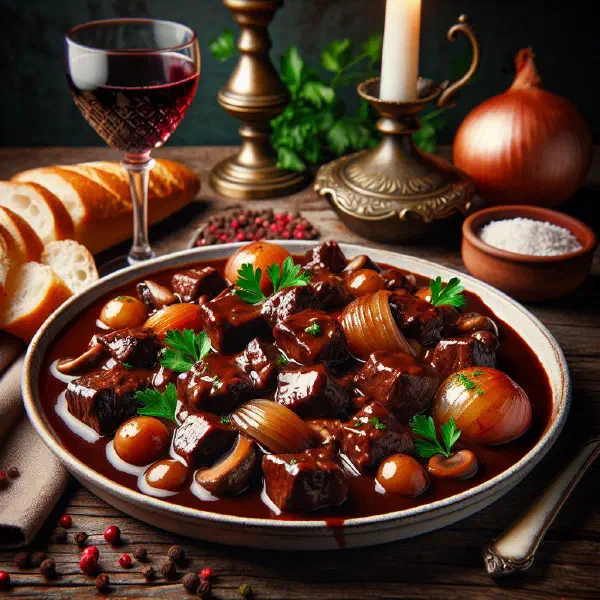
To present the Daube Provençale at its best, serve it in a large, rustic pot straight to the table. Garnish the dish with fresh herbs such as thyme or rosemary to make it look even more inviting. If you are serving guests, you might arrange individual portions in small earthenware dishes. This lends the meal a special charm and shows real attention to detail. A side of Pommes Anna makes an elegant accompaniment.
A bit of history
The Daube Provençale has a long history that reaches back to the 17th century. Originally cooked by farmers to make delicious meals from less prized cuts of meat, it became popular right across Provence. The slow cooking of these dishes became common practice as a way to draw out the richest possible flavours. Many regional variations reflect the diversity of Provence and its culinary traditions, sitting comfortably alongside other French classics such as Baeckeoffe.
More recipe ideas
Summary: Daube Provençale
The Daube Provençale is more than just a dish; it is a culinary embrace that brings the flavours of Provence into your kitchen. With carefully chosen ingredients and a slow cooking process, it becomes a hearty feast that is perfect for special occasions or sociable evenings. Whether as the classic beef version or as a vegan adaptation, the Daube Provençale appeals to with its unmistakable flavour and its many possible variations. Let this recipe inspire you and enjoy the pleasure of cooking and sharing.