National Dish France: Filet de Canette aux Figues (Recipe)
In this article
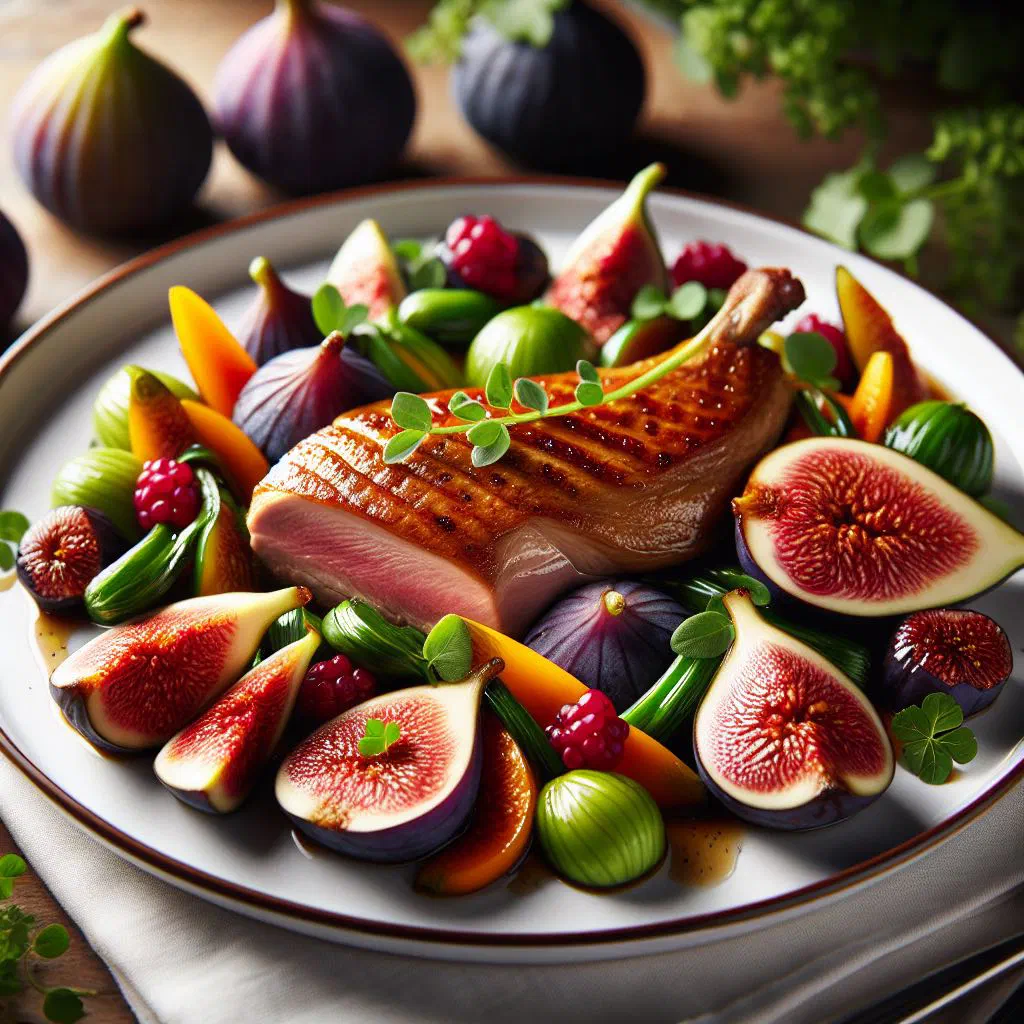
Treat yourself to Filet de Canette aux Figues, a refined classic of the French table. Tender duck breast meets sweet, caramelised figs for a dish that feels every bit as special as it tastes. With the fragrant warmth of thyme, a splash of red wine and a hint of honey, it is the kind of plate made for celebrations and unhurried, romantic dinners. Bring a little French elegance straight to your own kitchen.
About Filet de Canette aux Figues
Filet de Canette aux Figues is a true masterpiece of French cuisine, seducing the palate with its pairing of tender duck breast and sweet figs. It is the perfect choice for special occasions, when you want to surprise your guests with something out of the ordinary. The harmonious meeting of fresh figs and aromatic herbs creates a flavour that brings the charm of France straight to your table. Let yourself be won over by the refinement and the sheer simplicity of this dish.
Ingredients (serves 1–2)
- 2 duck breasts
- 5–6 fresh figs
- 1 shallot
- 1/2 cup red wine
- 2–3 sprigs fresh thyme
- 1 tablespoon honey
- Olive oil, salt and pepper
Shopping for the ingredients
When shopping for the ingredients for Filet de Canette aux Figues, it pays to focus on quality. Fresh figs are the heart of this dish, lending it a natural sweetness that complements the duck beautifully. Duck breast is widely available from well-stocked supermarkets and good butchers. It is also worth choosing a good olive oil and a decent red wine, as both have a real influence on the final flavour.
Preparing the dish
Preparing the dish begins with washing and slicing the figs. Halve them so they can caramelise nicely in the pan. Next, finely chop the shallot to build an aromatic base for the sauce. Have all your prepared ingredients to hand before you start, so the cooking flows smoothly and you save time at the stove.
Step-by-step instructions
- Score the skin of the duck breasts in a diamond pattern and season with salt and pepper.
- In a hot pan, cook the duck breasts skin-side down first for about 5–7 minutes, until the skin is crisp.
- Turn the duck breasts and cook for a further 3–4 minutes, then lift them out of the pan and leave to rest.
- In the remaining fat, sauté the shallots, then add the fig halves and the honey.
- Deglaze with red wine, season with fresh thyme and let it bubble gently for a few minutes.
- Slice the duck breast and arrange it with the fig sauce.
Gluten-free / lactose-free version
This delicious dish is naturally gluten-free and lactose-free, as the main ingredients contain neither. Simply check that any spices and sauces you add are also free from gluten and lactose. That makes Filet de Canette aux Figues a wonderful option for anyone with an intolerance who still wants to enjoy a sophisticated meal.
Tips for vegans and vegetarians
For vegans and vegetarians, Filet de Canette aux Figues can be adapted with a little thought. In place of the duck breast, a plant-based protein such as tofu or tempeh delivers a similar texture and bite. The fig sauce stays exactly the same, as it is full of natural flavour. The result is an interesting take on the classic that still keeps the rich character of French cooking.
More tips and tricks
A few tips and tricks can help you get even more out of Filet de Canette aux Figues. Resting the duck breasts after cooking is essential, as it allows the meat to hold on to its juices. You can also vary the fruit, swapping the figs for peaches or apricots, which are equally delicious. Experiment with different herbs to put your own twist on the dish.
Adapting the recipe to your taste
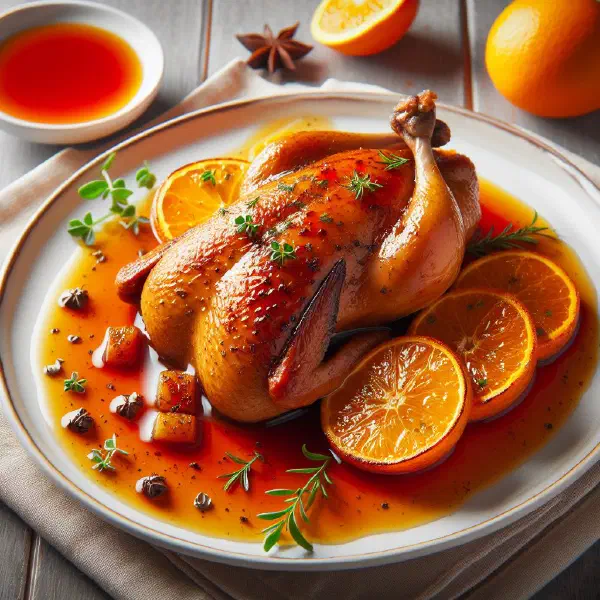
Adapting the recipe to your taste is a great way to make Filet de Canette aux Figues feel truly your own. Add the spices you love most, or pull back on the honey if you prefer it less sweet. Using a different style of wine can also shift the flavour in interesting directions. The same fruit-and-meat balance works beautifully in Canard à l’Orange.
Ingredient substitutions
There are always substitutions to fall back on when making Filet de Canette aux Figues. If you cannot find fresh figs, dried figs make a lovely alternative. For the red wine, an alcohol-free wine or grape juice can lighten the dish a little. This way everyone can shape the recipe around their own preferences and what is in season.
Drink pairing ideas
Several drinks pair beautifully with Filet de Canette aux Figues and underline its flavours. A full-bodied red wine or a light rosé sits perfectly alongside the dish. For an alcohol-free option, offer a fruity sparkling water or a homemade fruit tea. Aim for something that complements the complexity of the fig sauce without overwhelming it.
Serving and presentation ideas
An attractive presentation can lift the whole experience. Use handsome plates to arrange the duck breast artfully and spoon over the fig sauce. Fresh herbs make a lovely decorative touch, tying the visual and the flavour together. Don’t forget to round out the plate with another component, such as a creative salad or some seasonal vegetables, a side of Haricots Verts Amandine works a treat.
A bit of history
Filet de Canette aux Figues has its roots in traditional French cuisine, long celebrated for its varied and flavourful dishes. Duck is regarded as a delicacy across many regions of France and is often combined with seasonal ingredients. Figs, a familiar presence in Mediterranean cooking, complement the dish with their sweetness and texture. This pairing of savoury meat and sweet fruit is a hallmark of many classic French recipes.
More recipe ideas
Summary: Filet de Canette aux Figues
Filet de Canette aux Figues is an experience full of flavour and French culture. With its pairing of tender duck breast and sweet figs, it offers an incomparable treat for special occasions. The simple yet refined steps make it accessible to everyone. Surprise your guests or savour it yourself, and bring a little French flair to your own kitchen.