National Dish France: Foie Gras (Recipe)
In this article
Few dishes capture the elegance of French gastronomy quite like Foie Gras. This rich, velvety speciality, made from the liver of specially fattened ducks or geese, has graced festive tables for centuries. Its melt-in-the-mouth texture and deep, buttery flavour mark it out as one of the great luxuries of the French kitchen. A delicate terrine or gently cooked liver, it brings a touch of refinement to any occasion, and with a little care, you can prepare it beautifully at home.
About Foie Gras
Foie Gras is a classic French dish made from the liver of ducks or geese that have been specially fattened. The name means “fat liver” and perfectly describes the exquisite texture and rich flavour of this delicacy. It is regarded as one of the great gourmet dishes of French cuisine and is celebrated for the many ways in which it can be prepared. From pâté to terrine to gently braised liver, the possibilities are almost endless, and each version lends a meal an unmistakable air of elegance.
Ingredients (serves 1–2)
- 200 g foie gras (duck or goose liver)
- 1 tsp salt
- 1/2 tsp pepper
- 1 tbsp Cognac or Armagnac (optional)
- 1–2 slices of baguette or toast
- Fresh thyme or parsley, to garnish
Shopping for the ingredients
When shopping for the ingredients for foie gras, it pays to focus on the quality of the product. Many delicatessens and gourmet shops stock fresh or preserved foie gras sourced from trusted producers. Pay attention to the country of origin and the way the ducks or geese have been raised, as this has a considerable influence on the flavour. Don’t miss the chance to pick up a fresh baguette or other accompaniments from your local bakery while you are out.
Preparing the dish
Preparing foie gras takes a little planning, but the process itself is fairly straightforward. To begin, take the liver out of the fridge about 30 minutes before cooking so it can come up to room temperature. This makes it easier to handle and allows its full flavour to develop. Get your accompaniments ready too, a sliced baguette or a fresh salad, so you can create a harmonious, well-balanced plate.
Step-by-step instructions
- Place the foie gras in a bowl and season with salt, pepper and Cognac.
- Wrap it tightly in cling film so that it forms a firm roll.
- Lower the roll into boiling water and let it simmer gently for 10–15 minutes.
- Once cooked, leave the foie gras to cool, then chill it in the fridge for 2–3 hours until firm.
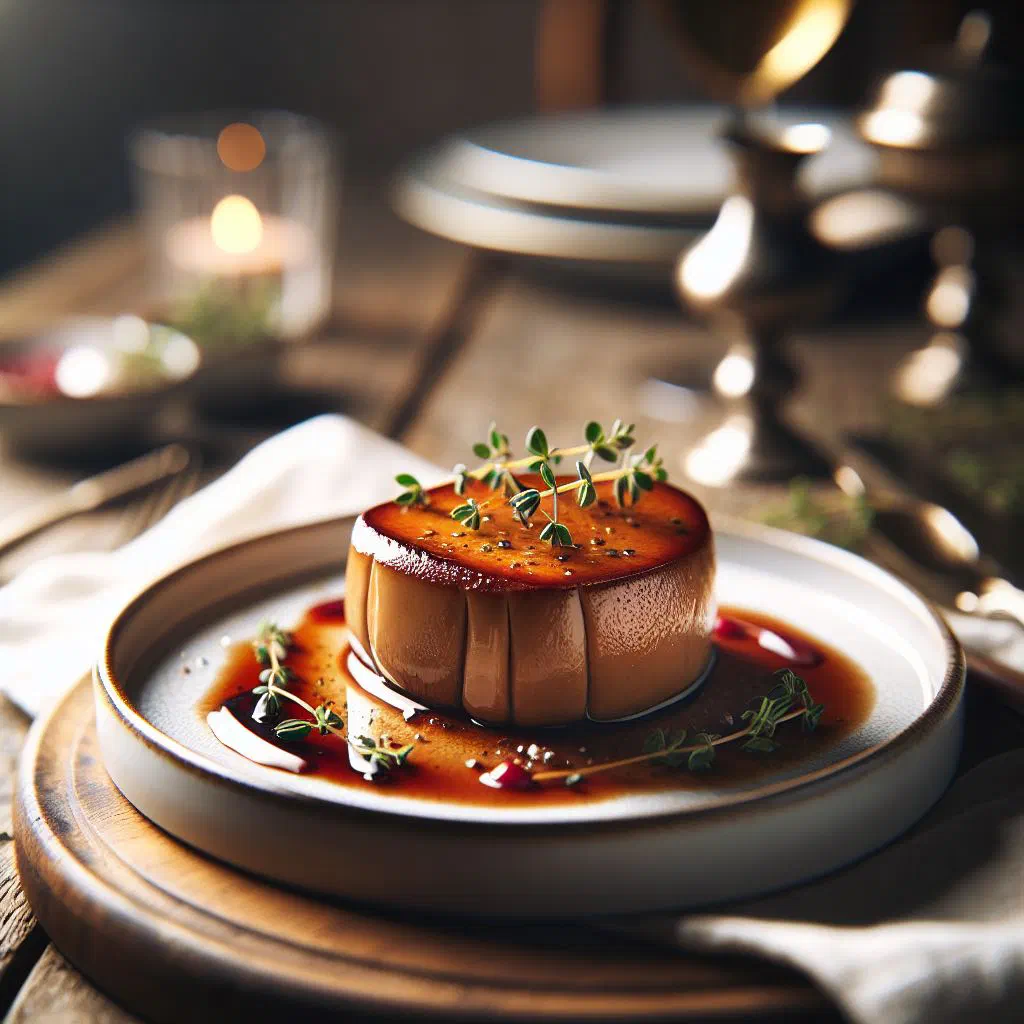
- Slice, arrange on a plate and garnish with fresh herbs.
Gluten-free / lactose-free version
Foie gras is naturally gluten-free and lactose-free, as long as no gluten- or lactose-containing ingredients are added. To make sure your dish is suitable for those with allergies, serve it with gluten-free bread or alongside fresh vegetables. The dish itself remains every bit as delicious and full of flavour when you reach for these alternatives.
Tips for vegans and vegetarians
Foie gras is of course not suitable for vegans and vegetarians, but there are some intriguing alternatives. Many restaurants and chefs experiment with plant-based ingredients to recreate similar textures and flavours. A popular option is a vegan liver pâté made from nuts, mushrooms or beans. These dishes offer a distinctive taste of their own while also being ethical and wholesome, much like the lentil-and-mushroom version found in Pâté de Lapin reimagined for plant-based diets.
More tips and tricks
A thoughtful presentation can lift the whole dining experience. Use handsome plates or wooden boards to serve your foie gras attractively. The choice of accompaniments matters too: a fresh, fruity chutney or a mild, sweet compote can round off the flavour beautifully. Experiment a little to find the combination that best suits your own palate.
Adapting the recipe to your taste
If you have particular preferences or a specific flavour profile in mind, the recipe is easy to adjust. Add spices or herbs that you enjoy, for instance, to deepen the aroma. The type of spirit can be varied too, depending on what you like best. Tailor the accompaniments and garnishes to your own taste to make the dish feel truly personal.
Ingredient substitutions
If foie gras is hard to come by, there are plenty of alternatives to consider. Products such as chicken liver pâté or quail breast bring their own appeal and are often easier to source. While they have a different flavour, they respond well to similar seasonings and cooking techniques, much like the meltingly rich Rillettes de Porc. With these in hand, you too can enjoy refined, special-occasion dishes.
Drink pairing ideas
A fine dish like foie gras calls for equally exquisite wines or spirits. A noble Port or a carefully chosen Sauternes lifts the experience to another level and pairs perfectly with the richness of the liver. Alternatively, a sparkling wine or Champagne can bring a fresh, lively note. When pairing, always aim for a drink that supports and complements the flavours of the dish.
Serving and presentation ideas
A careful presentation makes all the difference when serving foie gras. Arrange it on a handsome wooden board or an elegant plate and garnish with fresh herbs. Add a few decorative slices of fruit or vegetable to bring colour and life to the dish. Remember that we eat with our eyes first, so an appealing look enriches the whole culinary experience, a principle you’ll find in the finest French dishes, from Terrine de Canard to a classic Macarons platter.
A bit of history
Foie gras has a long and venerable history that reaches back to ancient Egypt, where the fattening of geese for their livers is already documented. The tradition was refined over the centuries in France and grew into a national symbol. Principles of sustainable animal husbandry are increasingly important today, helping to encourage ethical production and raise awareness of animal welfare. Even so, the preparation and enjoyment of foie gras remain a significant part of French cuisine.
More recipe ideas
Summary: Foie Gras
In short, foie gras is an incomparable and luxurious dish that appeals to the palate and brings a piece of French culture to the table. Whether as a pâté, a terrine or in another form, preparing this classic offers countless opportunities for refinement and personal touches. With high-quality ingredients, creative accompaniments and careful presentation, foie gras becomes a true feast for every gourmet. Let the wealth of ways to prepare it inspire you, and discover a piece of culinary history for yourself.