National Dish France: Fougasse (Recipe)
In this article
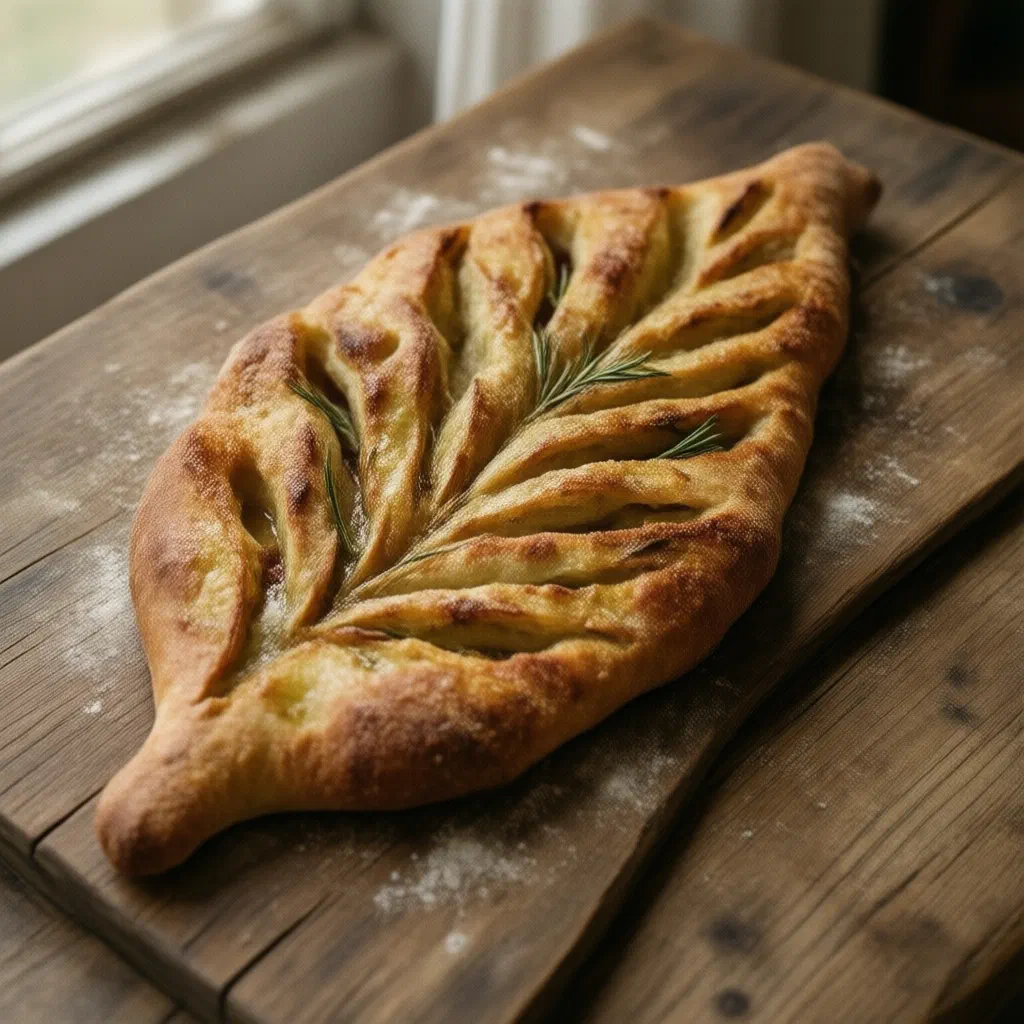
Bring a little of the Provençal sunshine to your kitchen with Fougasse, the leaf-shaped bread that has become a hallmark of southern France. Light, airy and gently crisp at the edges, it is the kind of loaf that begs to be torn and shared. Studded with olives, fragrant herbs or sun-dried tomatoes, it makes an effortless companion for dipping, for grazing on a lazy evening, or simply for filling the house with the smell of fresh-baked bread.
About Fougasse
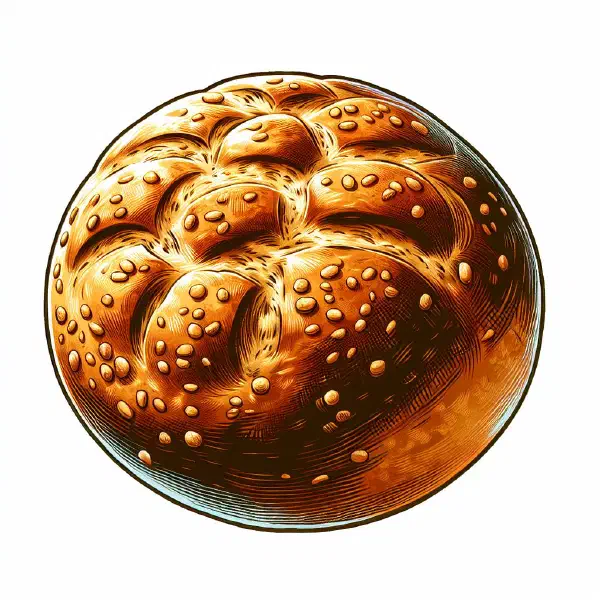
Fougasse is a traditional bread from the south-east of France, prized as much for its striking shape as for its wonderful flavour. It is often compared to Italian focaccia, yet it has its own distinct character, most notably the decorative slashes that open it out into the form of a leaf or wheat ear. This delicious bread is frequently enriched with extras such as olives, herbs or sun-dried tomatoes. Fougasse is just as happy served as a side alongside a wide range of dishes as it is enjoyed on its own as a casual snack, very much in the relaxed spirit of French cuisine.
Ingredients (serves 1–2)
- 250 g flour
- 150 ml lukewarm water
- 1 sachet dried yeast
- 1 teaspoon salt
- 1 tablespoon olive oil
- Optional: olives, herbs or other fillings
Shopping for the ingredients
To make Fougasse you need only a handful of basic ingredients, all of which are easy to find in most supermarkets. Do take care to buy good-quality flour, as this forms the very foundation of the flavour. The choice of olive oil can make a noticeable difference to the aroma too, so it is worth reaching for a decent bottle. If you fancy special additions such as olives or fresh herbs, a delicatessen is a good place to hunt out interesting variations.
Preparing the dish
Before you start making your Fougasse, it helps to have everything ready and to hand. Measure the quantities carefully and make sure the water is warmed to the right temperature so the yeast can do its work properly. Alongside the basic ingredients, this is also the moment to decide which fillings you would like to use, giving your fougasse a personal touch.
Step-by-step instructions
- Combine the flour and salt in a large bowl.
- Dissolve the dried yeast in the lukewarm water and leave it to stand for 5 minutes.
- Add the yeast-and-water mixture and the olive oil to the flour, then knead everything into a dough.
- Cover the dough and leave it to rise in a warm place for about 1 hour.
- Once risen, turn the dough out onto a floured surface and knead briefly.
- Press it flat, work in any fillings you like, and shape it into the classic fougasse form.
- Place it on a baking tray, leave to prove for a further 30 minutes, then cut decorative slashes with a sharp knife.
- Bake in a preheated oven at 220°C for about 20–25 minutes.
Gluten-free / lactose-free version
For a gluten-free version of Fougasse you can use gluten-free flour, readily available in health-food shops. Just make sure the dried yeast is gluten-free too. As the recipe is built around olive oil rather than dairy, it is naturally lactose-free. Simply check that any optional fillings are free from milk as well. These small adjustments mean that anyone with food intolerances can still enjoy a slice of fougasse.
Tips for vegans and vegetarians
Fougasse is naturally vegan and lends itself beautifully to a plant-based diet. You can add fresh herbs, a variety of vegetables or even nuts to ring the changes on the flavour. Vegan alternatives to fillings such as feta or cheese can be made from tofu or cashew creams. Don’t be afraid to get creative and try your own variations.
More tips and tricks
To deepen the aroma of your Fougasse, brush a little olive oil and a scattering of spices over the surface before baking. Working in a touch of extra flour can give the dough a firmer structure if you prefer. Keep a close eye on the bread as it bakes, since ovens vary and it can colour more quickly than you expect. A simple skewer test will tell you when the loaf is done.
Adapting the recipe to your taste
The variations on Fougasse are all but endless. You might fold in Mediterranean ingredients such as feta, sun-dried tomatoes and rocket, or even venture into sweet territory with a cinnamon-sugar filling. Your own preferences and those of your guests can be woven in beautifully here. Try different combinations and discover your own personal favourite.
Ingredient substitutions
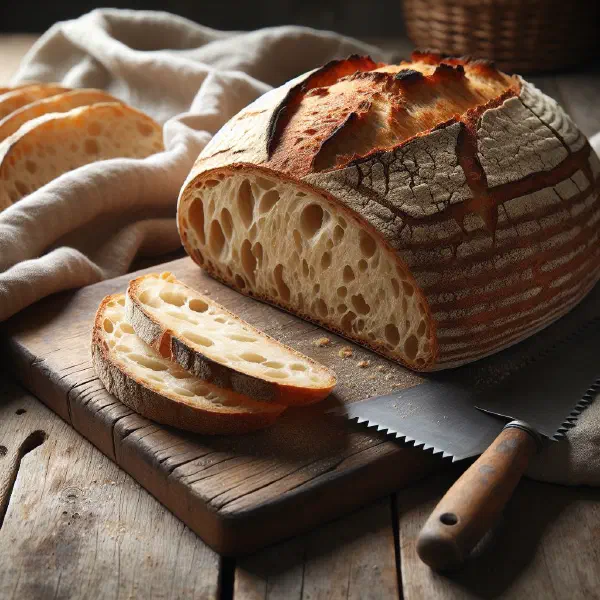
If olive oil is not to your liking, you can use rapeseed oil or sunflower oil to make your Fougasse instead. You might also swap the water for vegetable stock to add an extra layer of savoury depth, much the way a good Pain de Campagne leans on a rustic backbone of flavour. For the flour, feel free to experiment with wholemeal flour or rye flour to give the fougasse an altogether different character. That way the basic recipe stays interesting and full of possibilities.
Drink pairing ideas
Fougasse pairs splendidly with a range of drinks. A well-chilled rosé wine or a crisp Sauvignon Blanc make ideal partners, especially when you are sharing the bread as part of an apéritif. A refreshing sparkling water or a homemade lemonade also brings a lively note to the table. Experiment a little and find the perfect combinations to round off your meal.
Serving and presentation ideas
For an inviting presentation, arrange your Fougasse on a rustic wooden board and scatter it with fresh herbs. Small bowls of olive oil and balsamic for dipping complete the picture nicely. Serving it on brightly coloured plates can lend the bread a festive feel, much as you might present a Cervelle de Canut alongside. Keep everything simple and welcoming so the eating is all the more enjoyable.
A bit of history
The story of Fougasse reaches back to antiquity, and the bread is much loved across many regions of France. It was originally baked as a humble farmhouse loaf and served as a way of preserving and using up ingredients. Throughout Provence in particular, countless variations developed, adapted to the season and to whatever was on hand locally, a tradition it shares with hearty regional bakes such as Tourte de Blettes. Today fougasse is a firm fixture of French gastronomy and is cherished well beyond the country’s borders.
More recipe ideas
Summary: Fougasse
Fougasse is a versatile and delicious bread that suits all manner of occasions. From the making of it to the many creative variations, there are countless ways to tailor this recipe to your own taste. A snack or the centrepiece of a relaxed spread, fougasse is sure to win people over. Let tradition inspire you and give this wonderful recipe a try.