National Dish France: Gratin de Blettes (Recipe)
In this article
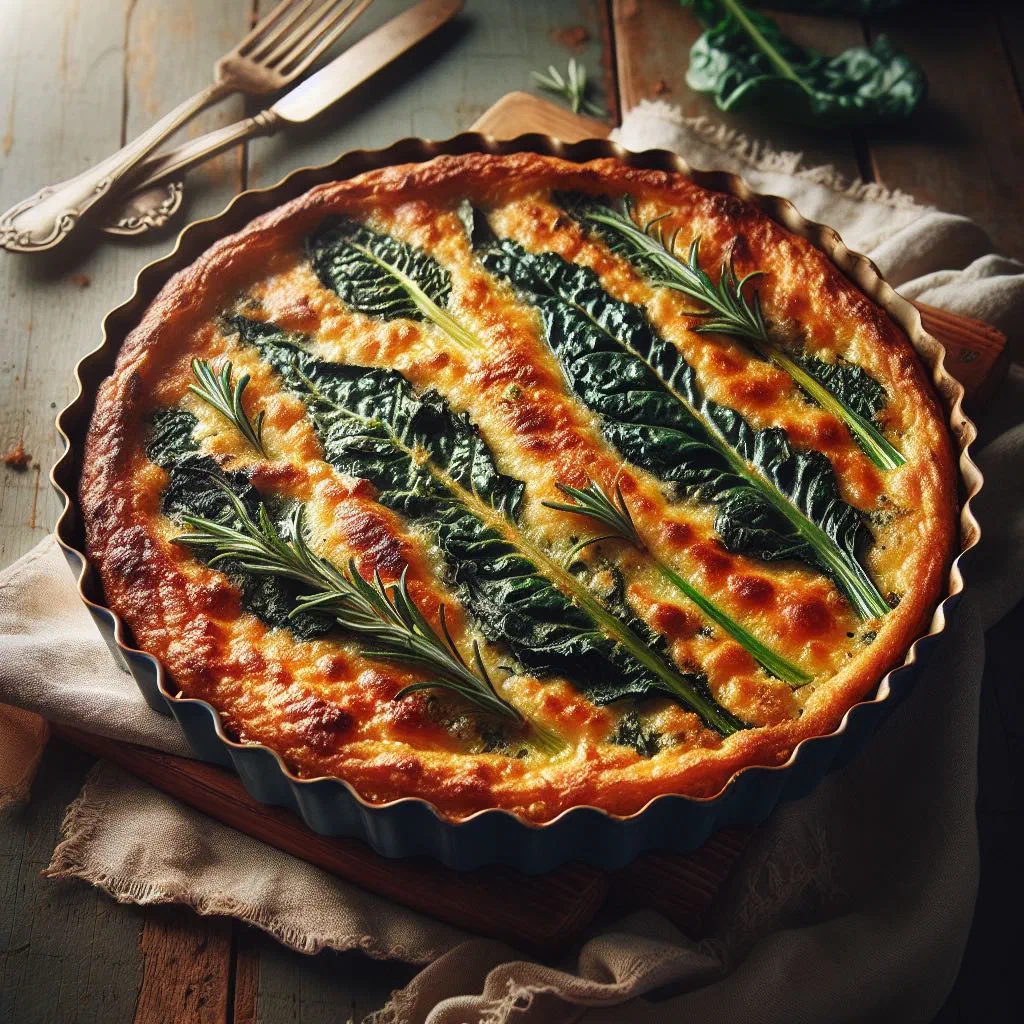
Bring a taste of the Provence to your table with Gratin de Blettes, a comforting French bake that turns humble Swiss chard into something rather special. Tender leaves are folded into a silky béchamel, crowned with melting cheese and baked until golden and bubbling. It is the kind of rustic, soul-warming dish that suits a relaxed family supper just as happily as it rounds out a more elaborate meal. Proof that a few simple ingredients can deliver a wonderful depth of flavour.
About Gratin de Blettes
Gratin de Blettes is a traditional French dish especially treasured in the Provence. This delicious marriage of Swiss chard, a creamy béchamel sauce and hearty cheese is a pleasure to eat and makes for a handsome presentation. The interplay of flavours and textures creates an all-round experience that appeals to vegetarians and meat-lovers alike. It brings a little of that easy Provençal way of life straight to your plate.
Ingredients (serves 1–2)
- 500 g Swiss chard
- 50 g butter
- 50 g plain flour
- 500 ml milk
- 150 g grated cheese (such as Gruyère)
- Salt and pepper, to taste
- Nutmeg (optional)
Shopping for the ingredients
To make an authentic Gratin de Blettes, it is worth seeking out fresh, good-quality ingredients. Visit a local market or organic shop to find fresh Swiss chard, which is generally in season from May through October. Look for leaves that are crisp and a vivid green. For the béchamel, choose a mild milk and fresh cheese to bring out that full, rounded flavour.
Preparing the dish
Preparing Gratin de Blettes is straightforward, though it does take a little time to coax the flavours out properly. First, wash the chard thoroughly and remove the tough stalks. Then cut the leaves into small pieces, which you can either blanch or add straight to the baking dish, depending on the texture you prefer. Making the béchamel sauce is an equally important step, as it is what gives the dish its creamy, full-flavoured character.
Step-by-step instructions
- Blanch the chard in boiling water for 2–3 minutes, then drain well.
- Melt the butter in a pan, stir in the flour and keep stirring until you have a golden roux.
- Slowly add the milk, stirring continuously, until the sauce thickens. Season with salt, pepper and nutmeg.
- Spread the blanched chard in a baking dish and pour the béchamel over the top.
- Scatter the grated cheese evenly across the surface.
- Bake in a preheated oven at 180°C for 25–30 minutes, until the top is golden brown.
Gluten-free / lactose-free version
For a gluten-free version of Gratin de Blettes, swap the flour for gluten-free flour or cornflour. There are also lactose-free milks and cheese alternatives that work beautifully in the béchamel. Just keep an eye on the consistency of the sauce as you go, to make sure it keeps that desired creaminess.
Tips for vegans and vegetarians
For a vegan version of Gratin de Blettes, replace the milk with a plant-based drink such as oat or almond milk and use vegan cheese in place of the dairy. To lift the béchamel, stir in a little nutritional yeast to mimic that cheesy flavour. You can also reach for spices like garlic powder and onion powder to build extra depth. The result is a tasty, nourishing choice for anyone following a plant-based diet.
More tips and tricks
A key tip for Gratin de Blettes is getting the balance of the ingredients right. Take care not to let the béchamel become too thick, as it will firm up further in the oven. You can also fold in other vegetables such as courgette or aubergine to make the dish more varied. A crisp panko topping over the gratin adds an interesting bit of texture, too.
Adapting the recipe to your taste
The recipe for Gratin de Blettes is easily adjusted to suit you. Experiment with different cheeses to vary the flavour, or add herbs such as thyme or rosemary for an aromatic note. Toasted nuts or seeds can lend a welcome crunch as well. Let your imagination run free and your gratin will turn out a little different, and a little special, every time.
Ingredient substitutions
If you do not have the right ingredients to hand, alternatives are easy to find. In place of fresh chard, you could use spinach or kale, both of which are equally delicious in a gratin, much like the greens that shine in a Tourte de Blettes. For the béchamel, a vegan option such as cashew cream is an excellent choice. Keep an eye out for seasonal produce, too, which can give your dish a fresh and exciting twist.
Drink pairing ideas
Gratin de Blettes is best matched with light white wines or a lively rosé. A dry Sauvignon Blanc or a fruity rosé rounds off the experience perfectly. If you would rather go alcohol-free, a homemade lemonade or a fresh herbal tea makes a refreshing companion. These drinks let the flavours of the gratin sing and make for a harmonious dinner.
Serving and presentation ideas
How you present your Gratin de Blettes can lift the whole impression of the dish. Serve it, for instance, in a handsome cast-iron dish, which holds the heat longer while looking pleasingly rustic. Garnish with fresh herbs such as parsley or chives to add not only colour but a fresh aroma. Set the gratin on an elegant plate to complete the picture and impress your guests.
A bit of history
Gratin de Blettes has its roots in Provençal cuisine, known for its use of fresh vegetables and its simple yet hearty preparations. Swiss chard was once an important staple in many rural areas, and baking it as a gratin is a wonderful way to celebrate the vegetable. The dish has evolved over the centuries but remains a firm favourite in homes and restaurants across France. It embodies that artful balance between humble ingredients and layered, satisfying flavours that defines so much of French cuisine.
More recipe ideas
Summary: Gratin de Blettes
In short, Gratin de Blettes is a traditional French dish that stands out for its simple preparation and delicious flavours. The combination of Swiss chard, béchamel and cheese makes for a harmonious eating experience suited to everyday meals and special occasions alike. With so many ways to adapt and vary it, anyone can create their own personal version. Let Provençal cooking inspire you and enjoy this wonderful dish, perhaps after a warming bowl of Soupe de Lentilles.