National Dish France: Millefeuille (Recipe)
In this article
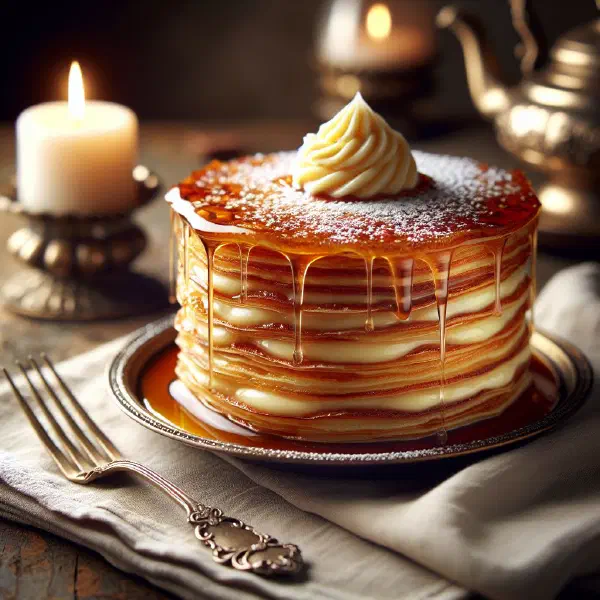
Discover Millefeuille, one of France’s most elegant desserts. Known as the “thousand-layer” pastry, it stacks sheets of delicate, crisp puff pastry with a smooth vanilla custard and a glossy sugar glaze. It is as much a feast for the eyes as for the palate, the kind of patisserie showpiece that turns afternoon tea into an occasion. Bring a little Parisian indulgence to your own kitchen, and bon appétit.
About Millefeuille
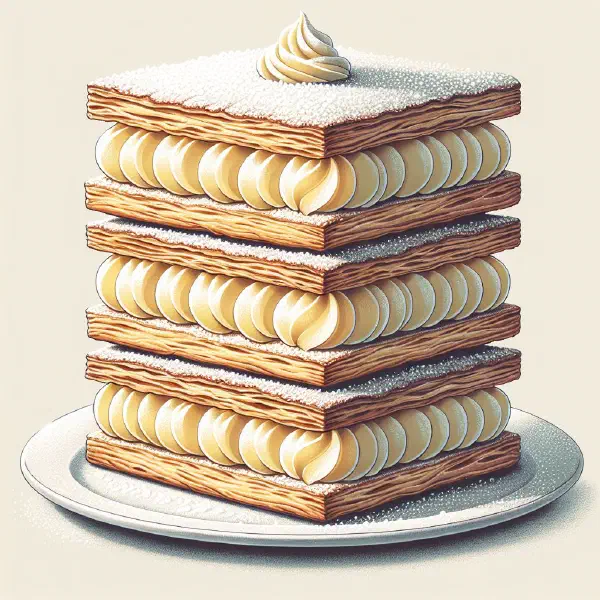
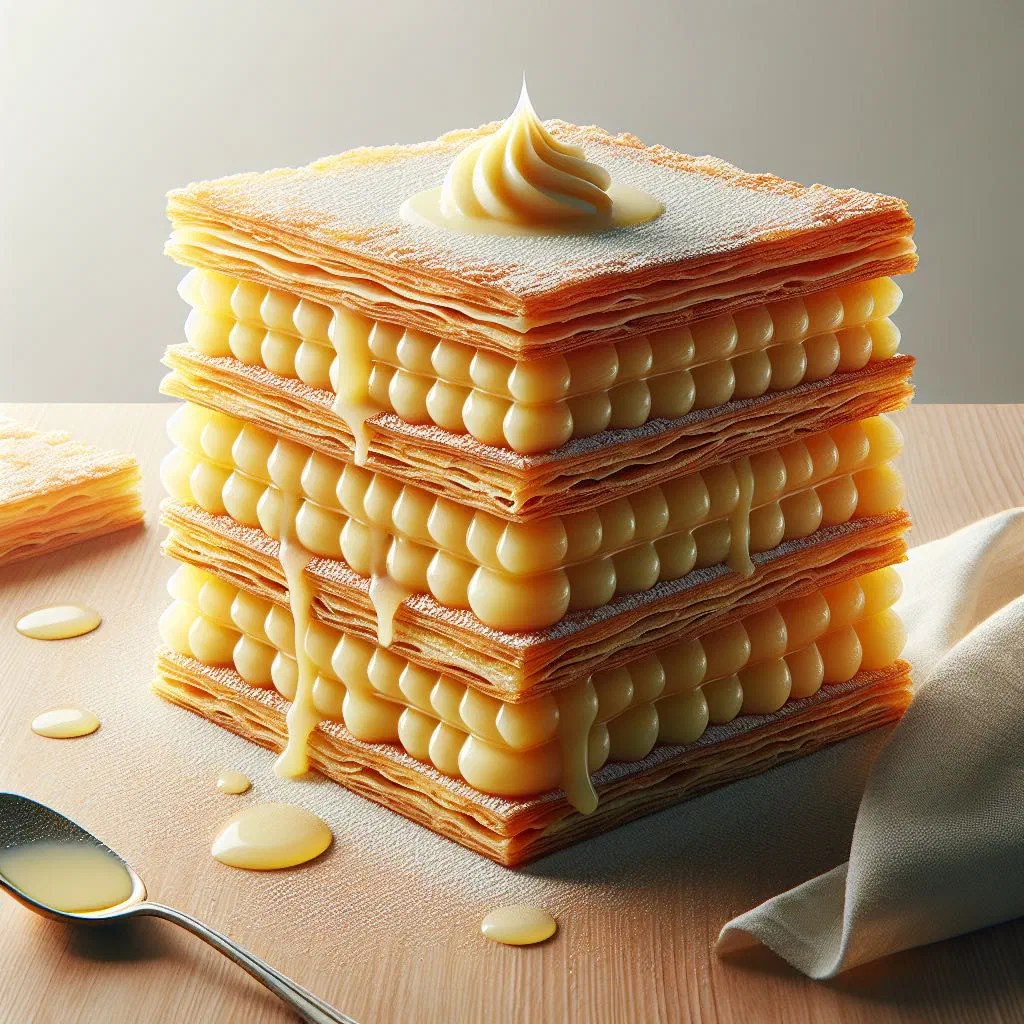
The millefeuille, also known as the “thousand leaves”, is a truly classic French dessert. It is built from several layers of tender, crisp puff pastry stacked with a rich, creamy vanilla filling. This traditional pastry is a pleasure to look at and wins everyone over with its exquisite flavour. The interplay of the crisp pastry and the airy, smooth filling makes every dessert lover’s heart beat a little faster.
Ingredients (serves 1–2)
- 250 g puff pastry
- 400 ml milk
- 100 g sugar
- 40 g cornflour
- 2 egg yolks
- 1 vanilla pod or 1 tsp vanilla extract
- Icing sugar, for dusting
- Water and sugar, for the glaze
Shopping for the ingredients
To make a proper millefeuille you will want fresh, good-quality ingredients. Ideally the puff pastry should come from a French patisserie to guarantee the very best aroma, though a good all-butter pastry from the supermarket works beautifully too. When buying milk, reach for whole milk, as it makes the filling especially creamy. Vanilla pods cost a little more, but they give the dessert the incomparable flavour you expect from a genuine millefeuille. Much of this care for quality ingredients is at the heart of French cuisine.
Preparing the dish
Before you start, it is important to get all your ingredients ready. The puff pastry should be taken out of the fridge in good time and brought to room temperature so it is easier to work with. While that happens, you can measure out and lay out the other ingredients, such as the sugar and the milk. A clean, well-organised work surface keeps everything running smoothly and helps you avoid any mishaps.
Step-by-step instructions
- Preheat the oven to 200°C (conventional heat) and roll out the puff pastry thinly.
- Cut the pastry into even rectangles and lay them on a baking tray lined with parchment.
- Bake the pastry for around 15–20 minutes, until golden brown and crisp.
- While the pastry cools, prepare the vanilla custard by bringing the milk to the boil with the vanilla and the sugar.
- In a separate bowl, mix the egg yolks with the cornflour, then slowly stir in the hot milk mixture.
- Let the mixture thicken over gentle heat, stirring constantly, then leave it to cool.
- Layer the pieces of pastry alternately with the vanilla custard, finishing with a layer of custard on top.
- Dust the top piece with icing sugar and prepare a glaze from sugar and water to smooth the surface.
- Serve the millefeuille chilled for the perfect treat.
Gluten-free / lactose-free version
For a gluten-free take on the millefeuille you can use a special gluten-free puff pastry, now widely available in many supermarkets. The vanilla custard is easy to adapt too. Simply use lactose-free milk. That way, people with food intolerances can enjoy this delicious dessert as well. Just make sure all the other ingredients are gluten-free and lactose-free too.
Tips for vegans and vegetarians
Vegans can adapt the millefeuille by using a plant-based puff pastry and making the vanilla custard with plant-based milk and a vegan thickener such as agar-agar or cornflour. Instead of egg yolks, you can use apple purée or mashed banana to achieve the consistency you need. These tweaks make the dessert vegan and keep the wonderful flavour of the original. That way everyone can enjoy a millefeuille, whatever their diet.
More tips and tricks
A few tips for a perfect millefeuille: make sure the puff pastry is rolled out thinly for the best baking result. When assembling the dessert, it helps to weigh down the layers a little so they stick together evenly and don’t slide apart. Cooling the pastry layers is essential, as warm layers can soften and melt the custard. Finally, the icing sugar layer should be applied just before serving to avoid a streaky, dripping appearance.
Adapting the recipe to your taste
The millefeuille is a wonderfully adaptable dessert. You can play with different flavours by working chocolate or caramel into the vanilla custard, much as you would for a Caramel au Beurre Salé. For a fruity note, slip fresh berries or citrus segments between the layers. You can also tint the glaze with a little food colouring to give the dessert a festive touch. Depending on the occasion, vary the millefeuille with seasonal ingredients to create new flavour experiences time and again.
Ingredient substitutions
If you don’t have a vanilla pod to hand, you can use vanilla sugar or liquid vanilla to flavour the custard. In place of sugar you could use honey or a sweetener of your choice, though this may affect the consistency slightly. For a healthier version, try a wholemeal puff pastry or a blend of different flours. These alternatives are more nutritious and offer fresh flavour experiences. The same spirit of careful substitution makes a classic like Crème Caramel easy to tailor.
Drink pairing ideas
A range of drinks pairs beautifully with a delicious millefeuille. A fine Champagne or a fruity sparkling wine harmonises perfectly with the sweetness of the dessert and lends the whole thing an elegant air. For an alcohol-free option, a fresh fruit juice or a more bracing herbal tea works well. Green tea in particular, or a berry tea, complements the flavours of the millefeuille and rounds out a full, satisfying tasting experience.
Serving and presentation ideas
Presentation plays a decisive role in enjoying a millefeuille. Serve the dessert on an attractive plate and decorate it with fresh berries or mint leaves for a splash of colour. A gentle sheen of icing sugar completes the look. To show the dessert off at its best, cut it into individual portions and use pretty dessert plates, so every guest receives their own little masterpiece.
A bit of history
The millefeuille has its origins in France and dates back to the 16th century. The art of puff pastry making was taken up from Italian cooks who came to France. The name “millefeuille”, which translates as “thousand leaves”, refers to the many layers of the pastry. Over the years this dessert has grown into a symbol of French patisserie and remains hugely popular to this day, sitting proudly alongside other showpieces such as the Gâteau Opéra.
More recipe ideas
Summary: Millefeuille
In short, the millefeuille is a delicious French dessert that appeals to in both flavour and presentation. With its crisp puff pastry and an airy, creamy filling, it is a genuine treat. Whether for a special occasion or simply for your own indulgence, making a millefeuille is a wonderful challenge well worth taking on. Give it a try and let the magic of French patisserie win you over.