National Dish France: Navarin de Veau (Recipe)
In this article
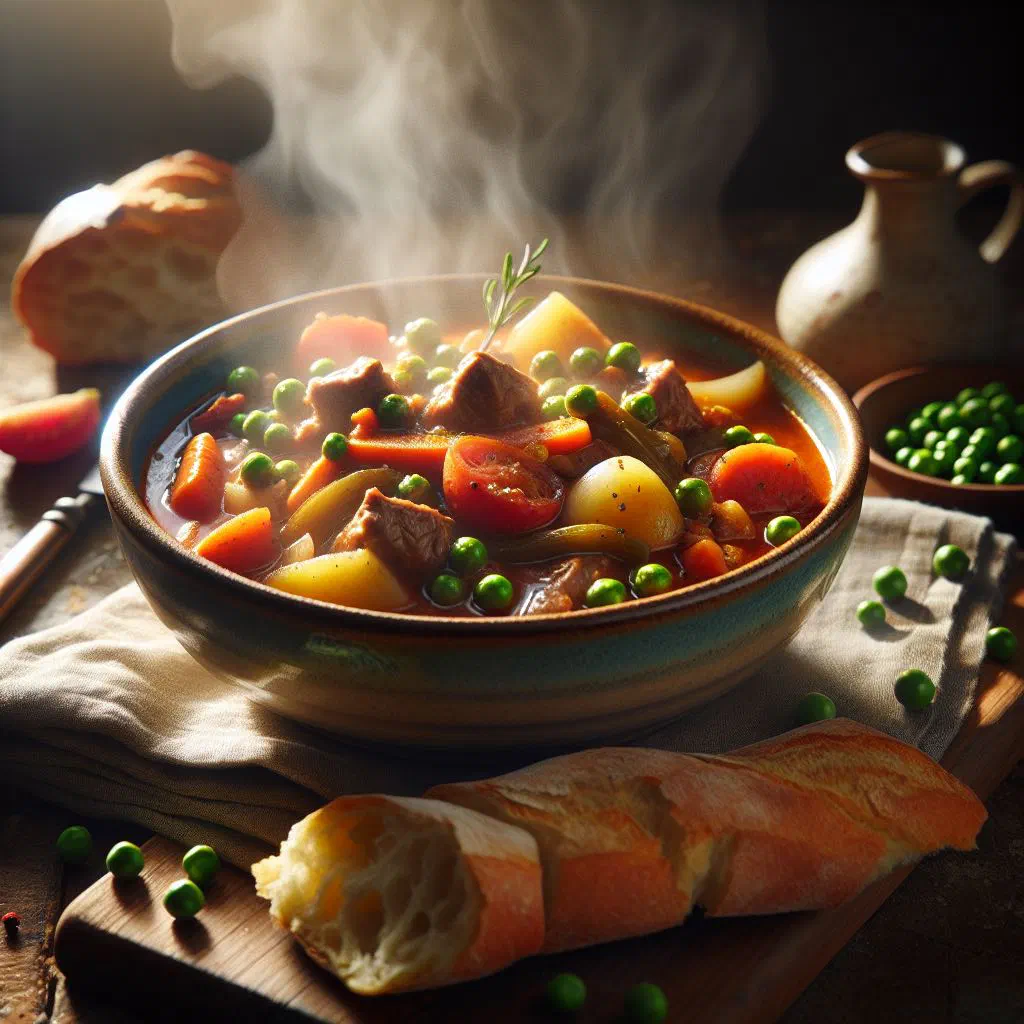
Meet Navarin de Veau, a comforting French stew that brings tender veal and fresh vegetables together in a rich, fragrant sauce. Traditionally cherished through the colder months, it strikes a lovely balance between rustic warmth and refined French finesse. This dish delivers a true taste of culinary tradition in every spoonful.
About Navarin de Veau
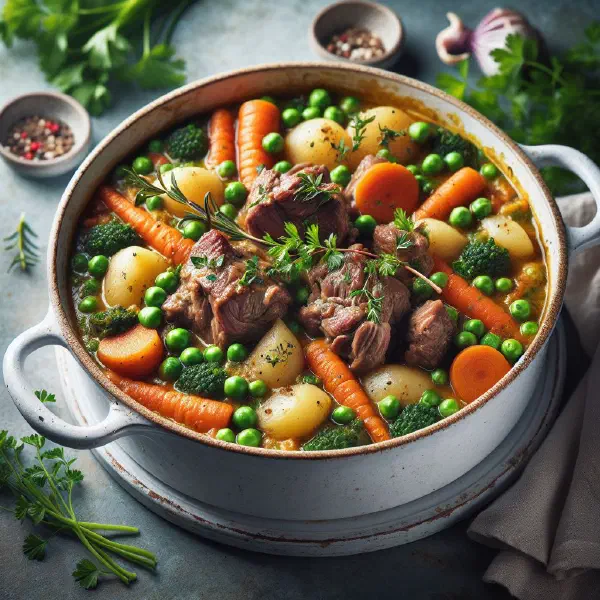
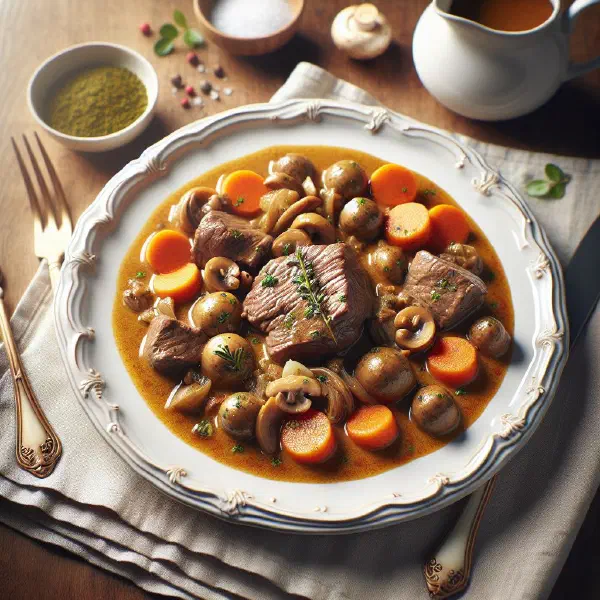
Navarin de Veau is a classic French stew celebrated for its aromatic depth and meltingly tender texture. It belongs to the great tradition of slow-cooked veal dishes that the French turn to in the cooler months. Bringing together cubes of tender veal, fresh vegetables and a generously flavoured sauce, it suits both special occasions and cosy everyday meals. Let the elegance of French cooking work its charm and savour a piece of culinary heritage in every bite.
Ingredients (serves 1–2)
- 400 g veal, cut into cubes
- 2 carrots, sliced
- 1 onion, diced
- 200 g green beans, trimmed
- 300 ml vegetable stock
- 100 ml white wine
- 2 tablespoons olive oil
- 1 teaspoon thyme
- Salt and pepper, to taste
Shopping for the ingredients
To prepare an authentic navarin de veau, it is well worth choosing fresh, high-quality ingredients. Visit your local market or a trusted butcher to find the best veal you can. Fresh vegetables matter just as much, as they shape the flavour and the texture of the finished stew. Where possible, reach for organic produce to lift the overall quality of your meal.
Preparing the dish
Before you start cooking, take a little time to get everything ready. Cut the veal into even cubes and chop the vegetables into matching pieces. This ensures that everything cooks evenly and that you enjoy the layered flavours in every mouthful. It also pays to have all your kitchen utensils to hand before you begin, so the whole process runs smoothly.
Step-by-step instructions
- Heat the olive oil in a large pot and sauté the onion until translucent.
- Add the veal and brown it all over until lightly coloured.
- Stir in the carrots and green beans and cook for around 5 minutes.
- Deglaze with the white wine, then pour in the vegetable stock.
- Add the thyme, season with salt and pepper, cover and leave to simmer gently for 60 minutes.
- Stir occasionally and top up with a little more stock if needed to prevent it catching.
Gluten-free / lactose-free version
Navarin de veau adapts easily for anyone with food intolerances. Use a gluten-free stock in place of the usual vegetable stock and leave out any dairy in the preparation. When shopping, double-check that all your ingredients are free from gluten. With these simple swaps, even guests with allergies can enjoy this delicious stew without a second thought.
Tips for vegans and vegetarians
Although navarin de veau is traditionally made with veal, resourceful cooks can find excellent plant-based alternatives. The veal can be replaced with soya or lupin products, for instance. Use a hearty vegetable stock and add extra root vegetables or pulses to make the dish more nourishing and full of flavour. That way vegans and vegetarians can also enjoy this much-loved French speciality.
More tips and tricks
To deepen the flavour of navarin de veau, try adding a few extra herbs and spices. Rosemary, bay leaves or a hint of garlic can all work wonders. The slow simmer gives the aromas time to develop and lends the sauce a silky richness. It is also worth making the dish a day ahead, as it often tastes even better once reheated.
Adapting the recipe to your taste
Everyone has their own preferences, and navarin de veau is flexible enough to bend to yours. Feel free to add your favourite vegetables or to swap the meat for a nutty mix of pulses and roots. The aim is to create a dish that suits your personal taste while still honouring tradition. With a few tweaks you can enjoy a stew that hits exactly the right note for your palate, much like a homely Ragout de Boeuf.
Ingredient substitutions
Not everyone has access to fresh veal, or wishes to use it. In such cases, chicken or turkey make an excellent alternative with a lighter flavour. The vegetables can be varied too, according to the season and what is available. Courgettes, aubergines or even mushrooms are wonderful additions that bring interesting textures and aromas, as they do in a hearty Poulet Basquaise.
Drink pairing ideas
A dish like navarin de veau calls for a well-chosen drinks partner. A dry white wine, such as a Chardonnay or Sauvignon Blanc, harmonises beautifully and complements the flavours of the stew. A fruity rosé makes a refreshing alternative. For an alcohol-free option, a homemade lemonade or sparkling water with a squeeze of lemon rounds everything off nicely.
Serving and presentation ideas
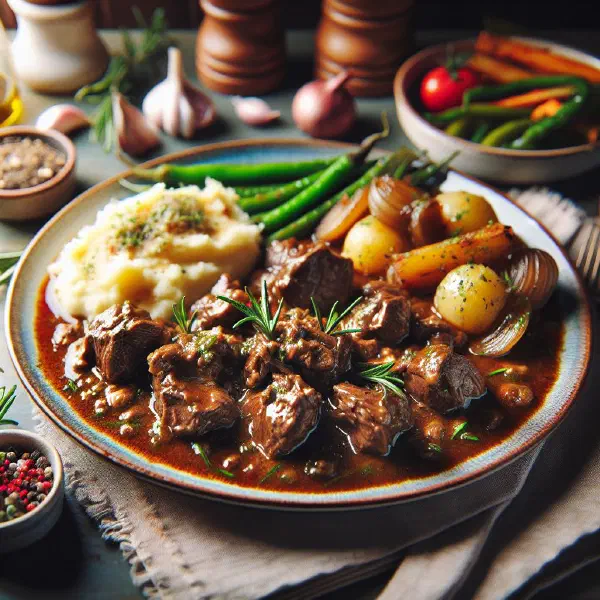
Presentation does much to lift the appeal of any dish. Serve navarin de veau in deep bowls, garnished with fresh herbs such as parsley or thyme. A fine baguette or a side of mashed potato is also an excellent choice for presenting the stew with style. Be sure to serve it warm to enjoy the full aroma and to give your guests a festive experience.
A bit of history
Navarin de veau has a long tradition in French cooking. Originally conceived as a dish for festive meals, it reflects French finesse and a deep respect for quality ingredients. The use of fresh vegetables and herbs speaks to a style of cooking shaped by the seasons. Historically, the dish shows how French cuisine celebrates the interplay of flavour and texture.
More recipe ideas
Summary: Navarin de Veau
Navarin de veau is more than just a dish; it is a piece of French tradition brought to your table. With tender veal, fresh vegetables and a refined sauce, you can create a genuine feast. Whether for a celebration or a simple family meal, this stew is always a fine choice. Let its rich aromas tempt you and enjoy both the cooking and the savouring of this special dish.