National Dish France: Pain de Campagne (Recipe)
In this article
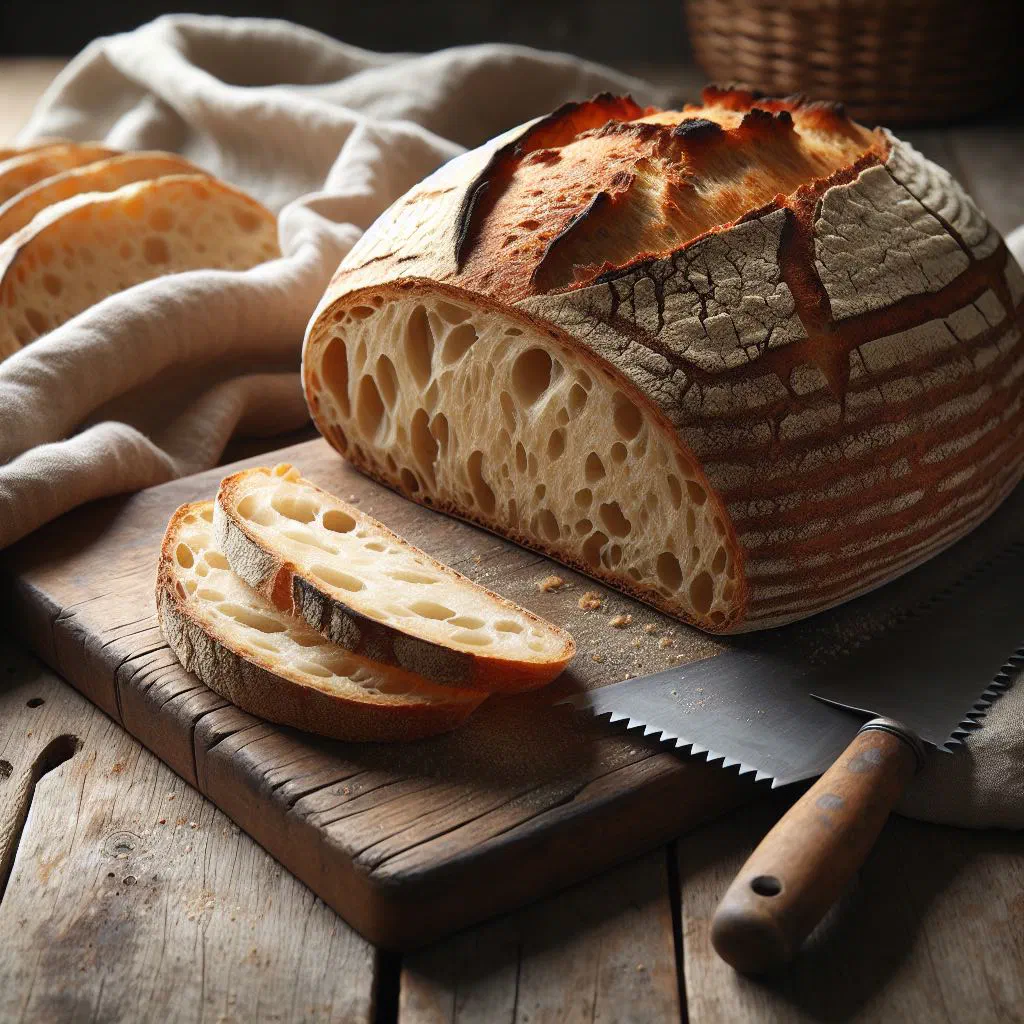
Say hello to Pain de Campagne, the rustic country loaf that sits at the very heart of French baking. With its crackling crust and an open, fragrant crumb, this is bread that feels at home on any table, from a relaxed weekday lunch to a long Sunday gathering. Built from little more than flour, water, salt and a touch of yeast, it rewards a bit of patience with a deeply satisfying result. Bring the warm aroma of a French village bakery straight into your own kitchen.
About Pain de Campagne
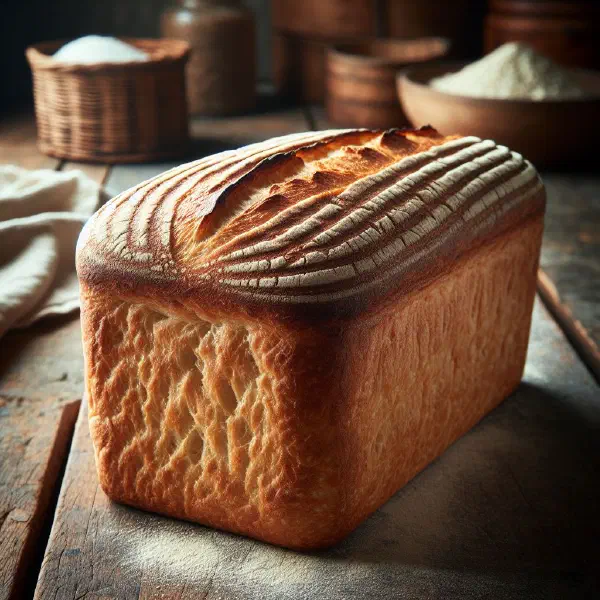
Pain de Campagne, also known simply as country bread, is a traditional French bread prized for its distinctive flavour and rustic texture. It is often made with a blend of different flours, frequently including sourdough, which lends it an unmistakable aroma. The pairing of a crisp crust with an airy, flavourful crumb makes it the perfect accompaniment to any meal. In French cooking it is not merely a staple but a piece of culture, preserved in countless family recipes and as much a part of French cuisine as the loaves stacked high in any village boulangerie.
Ingredients (serves 1–2)
- 500 g wheat flour (Type 550 / plain bread flour)
- 350 ml water
- 10 g salt
- 5 g yeast
- Optional: 100 g rye flour for extra flavour
Shopping for the ingredients
To enjoy the full flavour of Pain de Campagne, it pays to choose good-quality ingredients. Flour and yeast are the main components, so it is important to pick them fresh and from a reliable source. Many French bakeries and specialist food shops stock the ideal flours, and a well-milled bread flour is well worth seeking out. The water matters too; soft water can noticeably improve the final result.
Preparing the dish
Making Pain de Campagne takes a little groundwork to achieve a perfect result. Make sure all your ingredients are at room temperature so the dough develops evenly. Measure the quantities carefully to keep the consistency of the dough just right. Depending on the flavour you are after, you can also adjust the flour blend and fold in other types of flour.
Step-by-step instructions
- In a large bowl, combine the wheat flour with the yeast.
- Add the salt and mix well.
- Pour in the water a little at a time, kneading the dough until it is smooth and elastic.
- Cover the dough and leave it to prove in a warm place for about 1–2 hours, until it has doubled in size.
- Knead the dough again, shape it and place it on a baking tray.
- Leave to prove for a further 30 minutes while the oven heats to 220 °C.
- Bake the loaf for about 30–35 minutes, until it is golden brown and sounds hollow when tapped.
Gluten-free / lactose-free version
It is possible to make Pain de Campagne gluten-free by using a blend of gluten-free flours. Rice and buckwheat flour, for example, work well for this. You should also make sure the yeast is gluten-free and that the other ingredients carry no traces of gluten. If you want to bake lactose-free, most of the ingredients are already suitable, since the loaf relies only on flour, water, salt and dried yeast.
Tips for vegans and vegetarians
The recipe for Pain de Campagne is naturally vegan, as it contains no animal products. Even so, take care that the yeast you choose has no animal-derived ingredients. For extra variation you can work different spices or herbs into the dough. Serving the bread with plant-based spreads or dips is another lovely way to round out the vegan version.
More tips and tricks
Another key factor when baking Pain de Campagne is the hydration of the dough. Make sure it is not too dry, as this can spoil the end result, and add a little extra water during kneading if needed. Baking in a preheated cast-iron pot can also give you a better crust. Adding steam to the oven boosts crust formation and encourages a lovely rise in the loaf.
Adapting the recipe to your taste
The recipe for Pain de Campagne is easily adjusted to personal preference. You can mix different types of flour to achieve a range of flavours. Try adding nuts, olives or sun-dried tomatoes, for instance, to give the bread a special character. Experiment with the dough blend until you create the perfect loaf for your own taste.
Ingredient substitutions
If you prefer, you can use flours other than wheat, such as spelt or rye flour. These will give Pain de Campagne a different flavour and make it more nourishing too. Just be aware that you may need to adjust the ratio of water to flour, since different flours absorb different amounts of liquid, much as you would when working the dough for a Brioche. With the yeast, you can also swap dried for fresh to achieve a more intense flavour.
Drink pairing ideas
A freshly baked slice of Pain de Campagne goes wonderfully with a range of drinks. A light, fruity wine such as a rosé pairs beautifully with the flavours of the bread. A more robust wine alongside cheese can round out the combination too. For an alcohol-free option, freshly pressed grape juice or a herbal tea both complement the bread nicely.
Serving and presentation ideas
To present Pain de Campagne attractively, serve the bread on a wooden board. The natural material brings out the loaf’s rustic character all the more. Slice the bread and arrange the pieces neatly, then add fresh herbs or colourful vegetables to create inviting splashes of colour. It also makes a fine partner to soft cheeses or a wedge of Vacherin Mont d’Or.
A bit of history
Pain de Campagne has a long tradition in France, with roots stretching back to the rural countryside where it was made by farmers. The bread was usually baked from regional flours and was an essential part of every meal. Historically it also stood for the simple life of country folk. Today it is still treasured in many bakeries and households alike, a true symbol of the French baking craft.
More recipe ideas
Summary: Pain de Campagne
In short, Pain de Campagne is a delicious and versatile bread that can be made from the simplest of ingredients. By using different flours and mix-ins, you can tailor the flavour exactly to your liking. This country loaf brings a little piece of France into your kitchen. Give it a go and savour the aromas.