National Dish France: Pain Poilâne (Recipe)
In this article
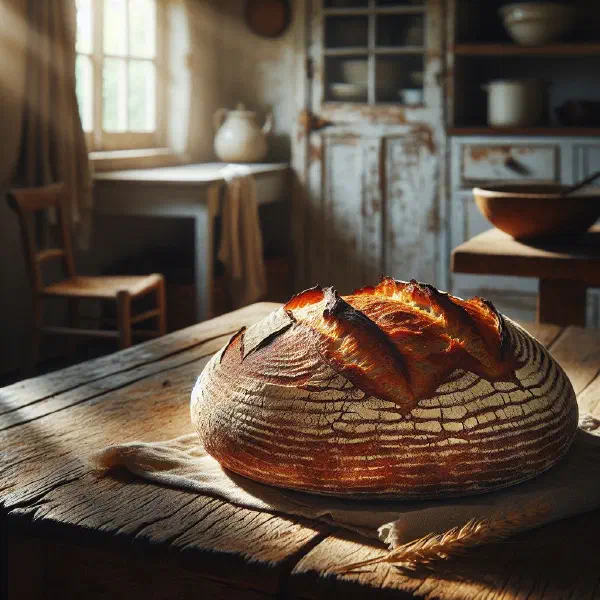
Discover Pain Poilâne, the rustic sourdough loaf that has come to symbolise the very best of French artisan baking. With just a handful of natural ingredients, this bread develops a deep, burnished crust and a tangy, open crumb that smells of slow fermentation and old Parisian bakeries. It is humble enough for everyday meals yet special enough to grace any table, a true taste of France brought straight into your own kitchen.
About Pain Poilâne
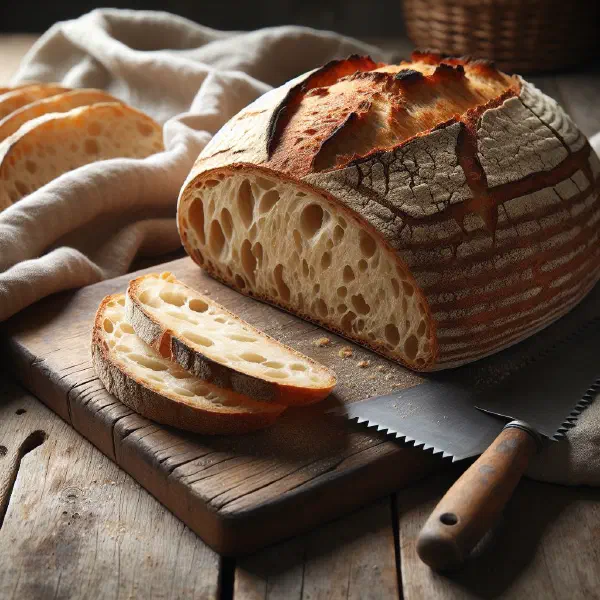
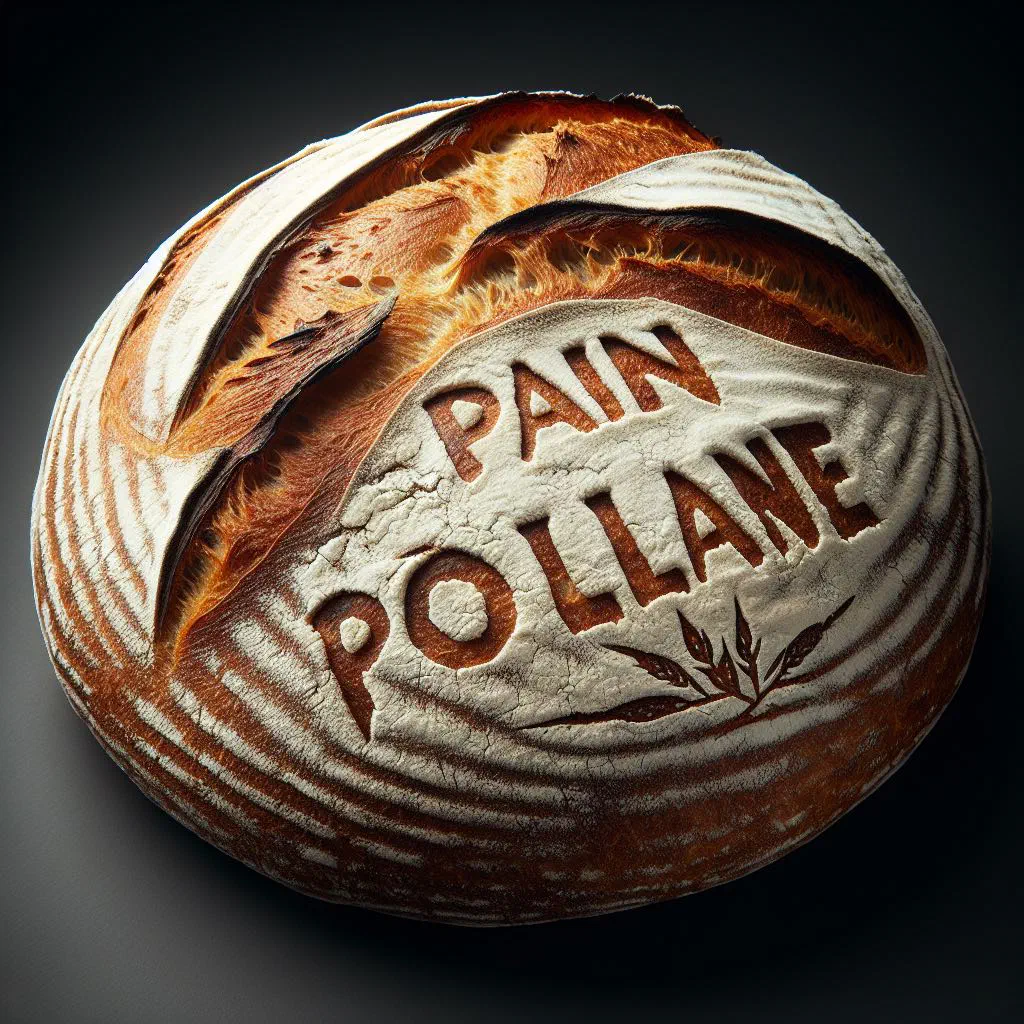
Pain Poilâne is a classic French sourdough bread celebrated for its thick, crackling crust and its rich, deeply aromatic interior. It hails from the famous Poilâne bakery in Paris, which has been prized for its hand-crafted loaves since the 1930s. Using only a few natural ingredients, the recipe coaxes out a wonderfully tangy flavour and an outstanding texture. This bread is perfect for everyday eating and a genuine treat on special occasions, sitting proudly within the wider world of French cuisine.
Ingredients (serves 1–2)
- 500 g wheat flour (Type 1050 / strong wholemeal)
- 350 ml water
- 10 g fine sea salt
- 150 g sourdough starter
Shopping for the ingredients
The ingredients for Pain Poilâne are relatively easy to track down. Type 1050 wheat flour is usually stocked in supermarkets or in bakeries that offer a good range of flours. A ready-made sourdough starter is widely available too, many bakers sell it in tubs, or you can simply cultivate your own at home. Fresh water and fine sea salt should already be sitting in your kitchen cupboard. If you enjoy baking your own bread, you will find this loaf as approachable as a Pain de Campagne.
Preparing the dish
Before you start baking, it is important to weigh out and prepare the ingredients carefully. Make sure your sourdough starter is active and well fed, as this is what drives the all-important fermentation. It also pays to have all your utensils ready, including a large mixing bowl and a baking tin or tray. You may want to preheat your oven in good time so it reaches the right temperature the moment the dough is ready.
Step-by-step instructions
- In a large bowl, mix together the flour and the salt.
- Add the sourdough starter and the water, then stir well until a rough, shaggy dough forms.
- Turn the dough out onto a floured work surface and knead for 10–15 minutes, until smooth and elastic.
- Place the ball of dough in a lightly oiled bowl, cover it and leave it to rise in a warm spot for about 3–4 hours.
- After resting, knock the dough back, knead once more and shape it into your desired form.
- Set the loaf on a floured baking tray and leave it to prove for a further 1–2 hours.
- Preheat the oven to 230°C and place a heatproof dish of water on the oven floor.
- Bake the bread in the preheated oven for 30–40 minutes, until the crust is deep golden brown.
Gluten-free / lactose-free version
If you would like to make Pain Poilâne without gluten, you can use gluten-free flour, though the texture and flavour may differ from the original. A blend of different gluten-free flours, such as rice flour and buckwheat flour, can make an interesting mix. Take care that your sourdough starter is gluten-free too. As for a lactose-free version, this recipe is already suitable, since no dairy products are used at all.
Tips for vegans and vegetarians
Pain Poilâne is naturally vegan and contains no animal products whatsoever. Do, however, double-check that the ingredients you use, particularly the sourdough starter, are vegan as well. Many people enjoy this style of bread as a superb base for their favourite spreads or as an accompaniment to plant-based dishes. You can therefore fold this recipe into a vegan diet with complete confidence.
More tips and tricks
One of the most important aspects of bread baking is timing. Give the dough plenty of time to rise so you achieve the best flavour and the perfect crust. You can also experiment with the baking temperature to find the crust colour that suits you best. Bear in mind that fresh ingredients and careful handling of the dough are crucial to getting the result you want. With a little practice you will nail your very own version of Pain Poilâne.
Adapting the recipe to your taste
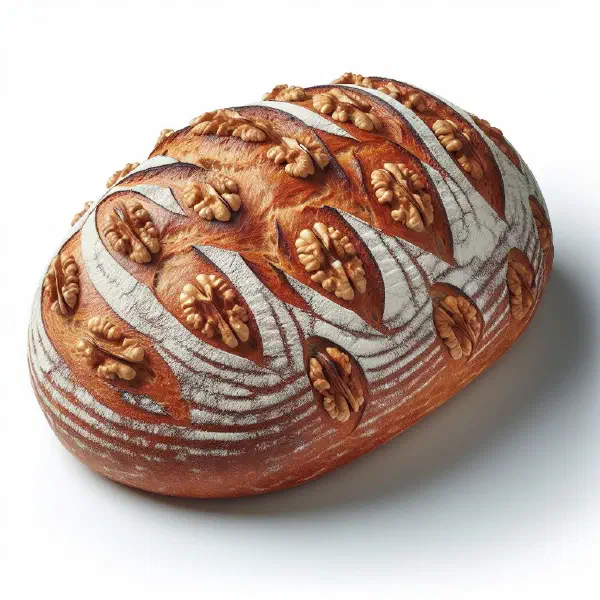
Depending on your preferences, you can add various ingredients to vary your Pain Poilâne. A handful of nuts or dried fruit can introduce an intriguing flavour. You might also work in herbs such as rosemary or thyme to give the loaf a distinctive note. A pinch of spice slots in nicely too, without upsetting the basic structure of the bread, a flexible approach that also works beautifully for a fragrant Pain d’Épices.
Ingredient substitutions
If you cannot find Type 1050 wheat flour at the supermarket, spelt flour or a blend of different flours will also do the job. Just keep in mind that you may need to adjust the amount of liquid, since different flours absorb water at different rates. For the starter, a rye sourdough starter is another option that lends a different flavour. And if you prefer gluten-free alternatives, there are special blends already tailored to the needs of gluten-free baking.
Drink pairing ideas
Pain Poilâne goes wonderfully with a wide range of drinks. A good glass of red wine, such as a Château Bordeaux or a notably full-bodied Chianti, complements the hearty flavour of the bread perfectly. If you prefer alcohol-free options, try a sparkling mineral water or an aromatic herbal tea. A fresh, fruity smoothie can also make a healthy pairing that rounds out the loaf nicely.
Serving and presentation ideas
The way you present Pain Poilâne can enrich the whole eating experience. Serve the bread on a rustic wooden board or in a handsome basket to play up its country-style charm. You can also garnish the loaf with fresh herbs to add colour and a little extra visual appeal. Slices of Pain Poilâne pair beautifully with quality oils or homemade spreads, alongside something tangy like a Cervelle de Canut, they look as good as they taste.
A bit of history
Pain Poilâne has its origins in the renowned bakery of Lionel Poilâne, founded in Paris in 1932. The traditional sourdough method, together with the use of high-quality ingredients, remains the hallmark of this bread to this day. It quickly gained a following and became the very definition of artisan bread in France. The Poilâne family’s influence on baking culture and on the popularity of sourdough bread set new standards and inspired countless imitators.
More recipe ideas
Summary: Pain Poilâne
Pain Poilâne is far more than just a loaf of bread. It is a culinary experience that lets you bring a little piece of France into your own kitchen. With its few but high-quality ingredients and its traditional method of preparation, it appeals to bread lovers and food connoisseurs alike. This sourdough bread will charm you with its flavour and its texture. Take the plunge, give it a go, and discover the art of bread baking right at home.